Online Reporter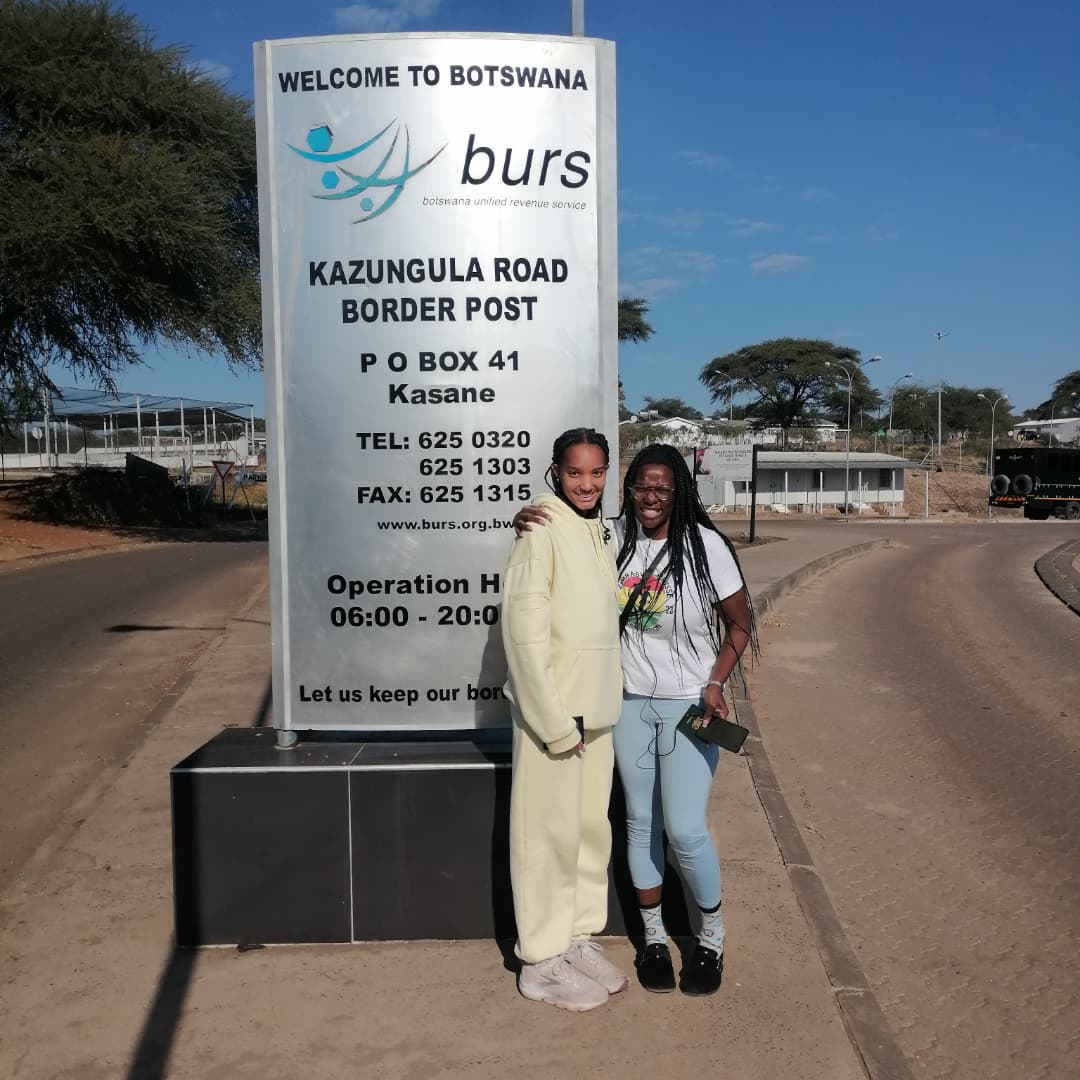
Mbulelo Mpofu, recently in Chobe, Botswana
KORA THOMAS and Taylor Ampofo admit that before they travelled from the United States to Africa, they had a picture in their minds that they are now almost embarrassed to remember.
Like many people who have never visited the continent, their understanding had been shaped by what they had seen in films, on television and online — images of one large, rural place with extreme heat, poverty and little development.
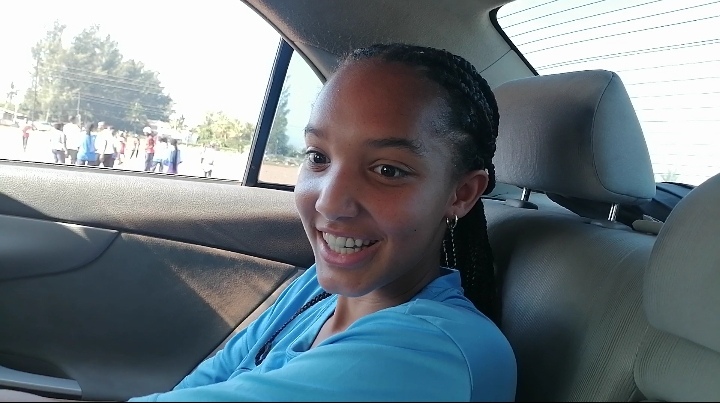
But after travelling across four Southern African countries, those ideas quickly fell apart. What they found instead was something very different — modern cities, warm communities and experiences that changed how they see the world.
The two teenagers were invited by their friend Thandi Chisango to help run grassroots lacrosse training clinics. The trip took them through South Africa, Mozambique, Zimbabwe and Botswana, turning what started as a simple sports project into something much bigger.
For them, it became a journey of learning, discovery and personal growth.
One of the first things that surprised them was how wrong the stereotypes were. It was not just about what they saw, but how people lived.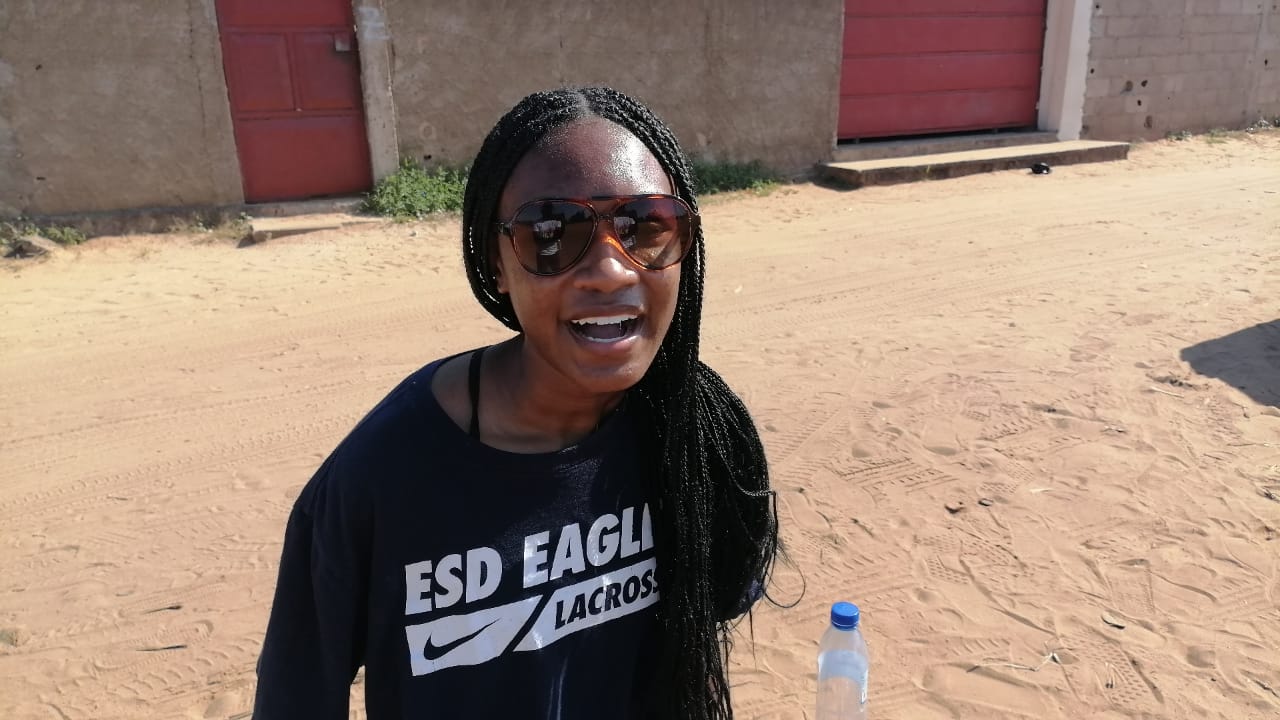
“Back home, you sometimes hear people talk about Africa as if it’s one big, struggling village. But driving through Johannesburg, or looking out at the modern skyline of Maputo, and the mist of the Victoria Falls, I realised how incredibly wrong that is,” Taylor reflected.
Travelling through major cities like Johannesburg and Maputo opened their eyes to a level of development they had not expected. They experienced strong mobile networks, modern shopping centres and transport systems that felt just as efficient as what they were used to in Texas.
Rather than struggling systems, they saw places full of life, movement and opportunity.
However, it was not just the infrastructure that left an impression. It was the people.
Where they had expected distance or difference, they instead found warmth, kindness and a strong sense of community. Everywhere they went, they were welcomed, laughed with and treated as part of the community.
They began to notice that daily life in Southern Africa often places more value on togetherness and shared experiences than on individual achievements.
Each country they visited also showed them something unique.
South Africa stood out for its diversity and busy city life, with smooth road networks and advanced services.
Mozambique offered a relaxed coastal atmosphere and a mix of African and Portuguese culture. Zimbabwe impressed them with its strong focus on education and the energy of its people, while Botswana struck them as organised, peaceful and proud, with clean towns and a clear sense of order.
At the centre of their trip was their work with young people through lacrosse.
Together with Thandi, they carried equipment from place to place, setting up simple training sessions on school grounds and community fields. For many of the children, it was their first time playing the sport.
Despite that, they quickly picked it up.
Kora and Taylor were amazed at how fast the young players learned. Even where there were language differences, sport became a way to connect. Smiles, gestures and shared excitement spoke louder than words.
Their expectations were also challenged by something as simple as the weather.
They had imagined Africa as extremely hot all the time, but instead found a much more comfortable climate.
“African weather isn’t what we’ve heard nor read back home. We don’t necessarily need sunscreen. Dallas sun is scorching hot but here (Zimbabwe), we can actually bask on it and enjoy it,” said Kora.
As they travelled, they experienced cool mornings and warm but gentle afternoons, conditions that made it easy to spend long hours outdoors. Away from the sports field, everyday experiences added another layer to their journey.
Using local transport, for example, was something completely new to them. Taking a commuter omnibus in Maputo or seeing three-wheeled vehicles like the txopela felt exciting and different from what they were used to back home.
Food also played a big part in shaping their experience.
In South Africa, they were introduced to the braai, a traditional barbecue that is about more than just food — it is about people coming together. They enjoyed boerewors, pap and relish, discovering flavours that felt rich and satisfying.
They were struck by how well-seasoned the food was. For them, it was a new experience not having to add anything to their meals.
As their journey came to an end, both Kora and Taylor realised how much they had changed.
They had arrived thinking they would teach and help young players develop their skills. But in many ways, they felt they were the ones who had learnt the most.
Through their interactions with people, their exposure to different ways of life and their time spent working with communities, they gained a deeper understanding of Africa — not as one place, but as a region full of diversity, growth and possibility.
What stood out most was how different reality was from what they had expected.
Instead of a single story, they found many stories — of creativity, resilience, development and joy.
Their trip was not just about sport. It became an eye-opening experience that challenged their thinking and gave them a new perspective on the world.
As they prepare to return home, they carry with them more than memories. They have a new understanding and appreciation of a part of the world they had once misunderstood.
The myths they once believed have now been replaced with real experiences — of modern cities, welcoming people and a vibrant, evolving region.
And one thing is certain — they know they will be back.