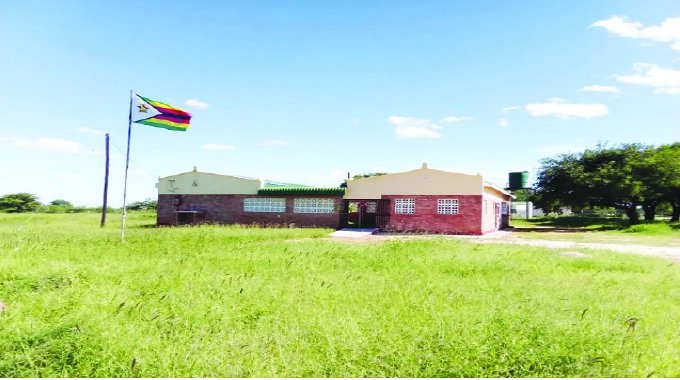
THE Government has expressed its commitment to addressing staff and medicine supply challenges facing Zimnyama Clinic in Mangwe District in Matabeleland South Province.
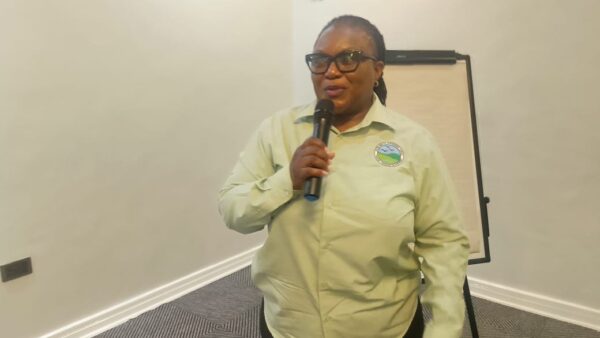
Responding to community concerns, the Provincial Medical Director, Dr Andrew Muza, said the Government was aware of the problems facing communities in Mangwe after the completion of Zimnyama Clinic.
He acknowledged that the staff shortages and medicine availability issues plaguing the clinic were not isolated incidents, but widespread challenges faced by the Ministry of Health and Child Care across the nation.
“While communities have been complaining about resource constraints at Zimnyama Clinic, these issues are being addressed through concerted efforts by the ministry,” he stated, offering a glimmer of hope to the villagers.
He said the communities’ concerns were genuine as the clinic was supposed to provide relief to people who used to walk more than 15km to the nearest health centre before the completion and opening of Zimnyama Clinic.
The villagers have, however, continued to bear the brunt of inadequate healthcare in what they said was a stark reminder of the bad old days before the realisation of their decades-long dream of having a clinic in their area.
Opened in 2023, the clinic has failed to meet the pressing demands and needs of the desperate villagers who had waited with abated breath for over 60 years since a proposal to build the clinic was first made in 1956.
Despite the lengthy delay, construction of the clinic only commenced in 2016, raising hopes that the community’s healthcare challenges would soon be a thing of the past but the harsh reality has been a severe let-down as the clinic has been incapable of providing comprehensive healthcare services.
The facility can only attend to basic children’s medical issues, such as weighing new-born babies, leaving the broader community without access to vital healthcare.
The chairman of the board overseeing the clinic’s construction, Mr Roland Moyo, candidly acknowledged the teething challenges facing the facility.
“Despite the community’s unwavering patience and perseverance during the construction process, which was marred by numerous challenges, the clinic’s insufficient capacity has left many feeling frustrated and let down,” he said.
Mr Moyo admitted that there was a gap between the community’s healthcare expectations and the reality on the ground.
He pleaded with the Government to prioritise the community in the allocation of resources for the clinic saying the lack of basic healthcare requirements betrayed the remarkable story of community resilience and determination that defined the facility’s construction journey.
He said despite initial setbacks, including funding shortages that threatened to derail the project, the community rallied together to lay the foundation, with local residents and school children working tirelessly to dig the foundation, lay the footing, and pour the slab.
“The Rural District Council, impressed by the community’s unwavering commitment, stepped in to provide crucial support, donating cement and bricks and hiring builders to augment the residents’ efforts,” he said.
“World Vision also played a pivotal role, providing roofing materials, windows, and a Jojo tank, as well as installing electricity and fencing.”
The Government, well-wishers and diasporans also contributed generously, donating paint, bricks and additional cement, ultimately ensuring the clinic’s completion.
He said despite the herculean efforts and sacrifices made by the community they were forced to embark on arduous journeys of more than 15 kilometres to access basic healthcare services in Plumtree Town.
“The situation is not only inconvenient but also exacerbates the already vulnerable health status of the community,” he said.
He, however, added that all hope is not lost as the ministry has pledged to address the challenges urging villagers to expect improvements in their healthcare services.