Theseus Mauruki Shambare
MASVINGO Province has increased its Pfumvudza/Intwasa target from one million plots last season to 2,5 million plots for the 2026/2027 summer cropping season, as Government intensifies preparations for a potentially severe Super El Niño expected to bring below-normal rainfall.
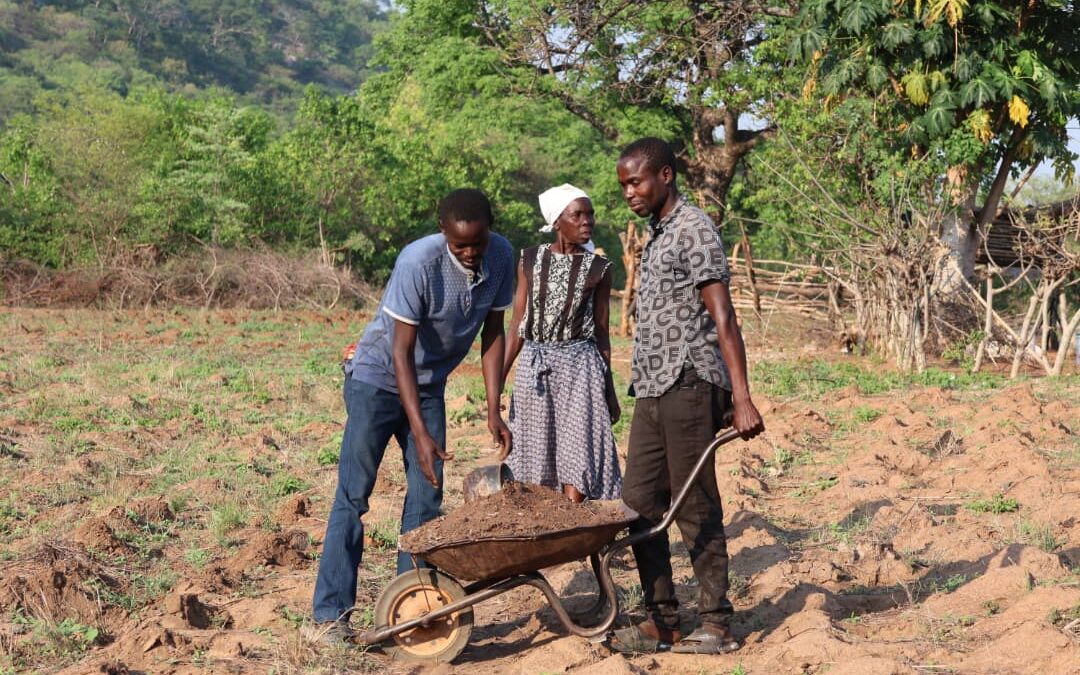
For Mrs Martha Muzwandavaka of Matsilele village in Zaka, the preparations are already underway, with the farmer digging planting holes and preparing her Pfumvudza plots ahead of the new agricultural season.
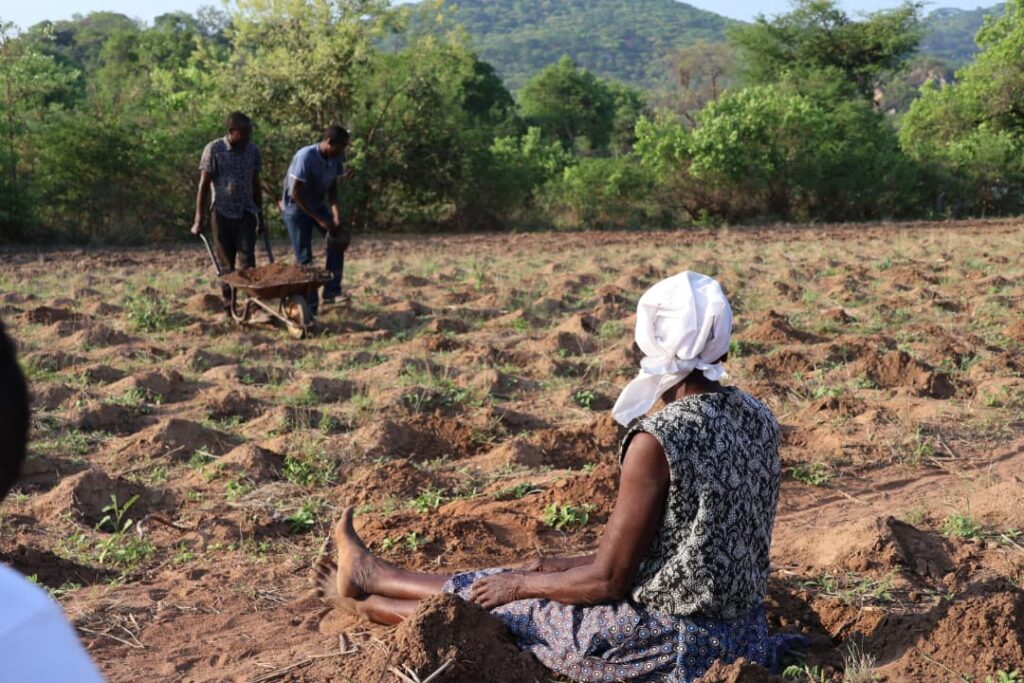
With rainfall uncertainty threatening another difficult cropping season, she is increasingly anchoring her hopes on climate-smart and conservation agriculture.
“We cannot afford to wait for the rains and hope everything will be well. I am preparing my Pfumvudza plots early because I believe conserving moisture and following proper farming methods will give us a better chance of harvesting something, even if the rains are poor,” she said in an interview during a media tour in the province.
The provincial target translates into approximately 156 000 hectares, with farmers having already prepared 64 percent of the planned plots as authorities promote climate-smart agriculture to safeguard food security.
Provincial Agricultural and Rural Development Advisory Services (ARDAS) director Mr Caleb Mahoya said the increased target reflected Government’s determination to strengthen smallholder production.
“We have set a target for Masvingo Province of 2,5 million plots, which translates into 156 000 hectares. Last year we had a target of one million plots for Pfumvudza, and this year we have set it higher,” he said.
“Why? Because we are saying Pfumvudza is the way to go. We must make sure that we harvest something since we are faced with this threat of the predicted Super El Niño.”
Mr Mahoya said the province was also promoting mechanised Pfumvudza to address labour shortages and rising land preparation costs.
“Labour is very expensive and difficult to get, so farmers can actually use machines. They can also do mechanised Pfumvudza for this season that we are facing,” he said.
Approximately 85 percent of Masvingo lies in Natural Regions Four and Five, characterised by low and unreliable rainfall.
Mr Mahoya said the provincial cropping strategy was prioritising crop selection according to agro-ecological conditions, with maize production concentrated under irrigation and traditional grains promoted on dryland.
“We are targeting 5 120 hectares to be put under irrigation, that is maize, because we are saying maize is only going to be grown under irrigation. And anywhere else, we are encouraging our farmers to do traditional grains and to do Pfumvudza,” he said.
Minister of State for Provincial Affairs and Devolution Ezra Chadzamira, in a speech read on his behalf by Deputy Director of Economics Mr Kudzai Tarirai, urged farmers to conserve moisture and use seasonal weather information to guide planting decisions.
“Conserve and harvest every single drop of rain,” he said, emphasising appropriate crop varieties and planting times.
Meanwhile, the province is mobilising commercial and large-scale farmers through the Strategic Grain Reserve (SGR) 200HA PLUS Club to boost cereal production and strengthen national grain reserves.
Club chairman Mr Tichaona Mapfoche said the initiative was complementing Government’s drought preparedness efforts through farmer clustering, knowledge-sharing and practical training.
“We are working with the Ministry of Agriculture to conduct drought-mitigation workshops anchored on six pillars, using a hub-and-spoke model to connect experienced farmers with emerging producers,” he said.
The approach promotes improved farming practices, including mechanisation, irrigation, moisture conservation, appropriate crop selection and market access.
Mr Mapfoche said agricultural policies needed to translate into tangible improvements in production and household food security.
“A policy is only successful when it translates into a productive hectare, a successful farmer, a full grain store, a functioning value chain and food on the table,” he said.
With some farmers already planting, Masvingo’s immediate priority is accelerating land preparation and ensuring timely access to inputs before the effective planting window closes.