admin
admin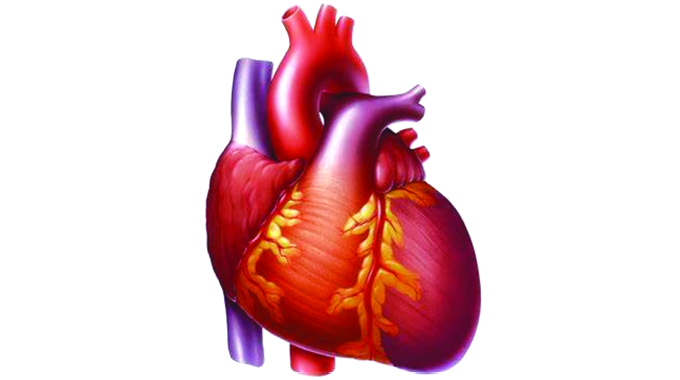
Rumbidzayi Zinyuke
Health Buzz
In February last year, The Herald published the story of 40-year-old Peggy Muzondiwa who desperately needed to raise about US$12 000 needed for her to get a life-saving heart operation in India.
She had been suffering with rheumatic heart disease for 10 years but could not get the help she needed because she could not afford it.
She finally got assistance to travel to Sudan for the operation in August.
Unfortunately, when the doctors opened her up, there was very little they could do to save her heart.
She died in Sudan and her family could not afford to repatriate her body, so she was buried there, with only her mother there to ensure traditional burial rites were followed.
Peggy is just one of the thousands of Zimbabweans who have suffered from some form of heart condition and could not find the needed assistance on time.
The few that have been privileged to afford traveling to other countries for open heart surgery are indeed alive and well today.
Many are still suffering waiting for their turn to either get the operation or follow Peggy’s fate.
But with the news that Zimbabwe will be resuming open heart surgeries, the future may not be too bleak after all.
Parirenyatwa Group of Hospitals is set to start performing the open heart surgeries this week and this will definitely go a long way to alleviate the burden these heart patients have borne for many years.
Specialist cardiovascular and thoracic surgeon Dr Simukayi Machawira, who is part of the team heading the open heart surgery programme, says Zimbabwe has about 4 000 children born every year who need some sort of open heart surgery for them to be able to survive.
But as the disease sometimes goes untreated, many succumb to the natural disease progression.
Zimbabwe also has a significant burden of rheumatic heart disease which unfortunately is poorly documented.
“At the moment we have between 500 and 600 patients with rheumatic heart disease awaiting surgery and these are mainly adult patients,” he said.
This means that there could be many more undocumented heart disease cases in the country in need of this operation.
Open heart surgery entails cutting open and performing surgery on the muscles, valves or arteries of the heart to treat problems caused by various heart conditions.
According to Dr Machawira, it is difficult to operate on a beating heart hence a heart-lung bypass machine is connected to take over the function of the heart and lungs and allow the surgeons to operate on the patient in a more controlled environment.
The resumption of these surgeries is definitely going to have a positive impact on the lives of those who had lost hope of ever leading a normal life.
Although the initial stages of the programme will focus on adults who are easier to manage, it will definitely progress to include those 4 000 children born with defective hearts every year.
It is commendable that Government has invested towards this initiative that will save the lives of many Zimbabweans.
What is needed now is to ensure the team has all that is required to ensure there will be no interruptions to the programme.
“For a start we are looking at one to two surgeries per week until we have built a bigger team, because we really need a big team for us to be able to do more cases. Ideally we should be able to do at least one open heart surgery case a day during the working week. If we can do more, the better but this all depends on the personnel as well as the equipment so we are still looking to the Ministry of Health and Child Care for support in this programme,” Dr Machawira said.
It would be good to see every city in the country being able to offer open heart surgery and serving the people towards the attainment of universal health coverage.
What is heart disease?
Heart disease describes a range of conditions that affect the heart and can include coronary artery disease, arrhythmias (irregular heartbeats), congenital heart defects (heart problems someone is born with), disease of the heart muscle and heart valve disease.
Heart disease symptoms depend on the type of heart disease.
With coronary artery disease, there may be chest pain or discomfort with shortness of breath, nausea and extreme fatigue.
Other symptoms may include pain in the neck, jaw, throat, upper belly area or back, numbness, weakness or coldness in the legs or arms.
According to experts, some people may not be diagnosed with coronary artery disease until they have a heart attack, chest pain, stroke or heart failure.
A person with heart valve disease may experience chest pain, fainting, fatigue, irregular heartbeat and swollen feet or ankles.
With endocarditis, an infection that affects the heart valves and inner lining of the heart chambers, symptoms may include a dry or persistent cough, fever, skin rashes or unusual spots among others.
There are also different causes for heart disease according to experts.
Coronary artery disease is usually caused by ventricle infections, toxins and some drugs, including cancer medicines.
Restrictive cardiomyopathy, the least common type of cardiomyopathy can be caused by a build-up of protein called amyloid in the heart or connective tissue disorders.
Many things can cause diseases of the heart valves. Some people are born with heart valve disease (congenital heart valve disease) but it can also be caused by conditions such as rheumatic fever, infections (infectious endocarditis) and connective tissue disorders.
Complications
Heart failure is one of the most common complications of heart disease. Heart failure occurs when the heart cannot pump enough blood to meet the body’s needs.
A heart attack may occur if a blood clot is stuck in a blood vessel that goes to the heart. The risk factors that lead to heart disease can also lead to an ischemic stroke.
This type of stroke happens when the arteries to the brain are narrowed or blocked. Too little blood reaches the brain. A stroke is a medical emergency; brain tissue begins to die within just a few minutes of a stroke.
An aneurysm is a bulge in the wall of an artery. If an aneurysm bursts, one may have life-threatening internal bleeding.
Other people may experience peripheral artery disease where the arms or legs, usually the legs, don’t get enough blood. This causes leg pain.
Sudden cardiac arrest is the sudden loss of heart function, breathing and consciousness. It is usually due to a problem with the heart’s electrical system. Sudden cardiac arrest is a medical emergency and if not treated immediately, it results in sudden cardiac death.
Preventing heart disease
The same lifestyle changes used to manage heart disease may also help prevent it.
These include quitting smoking, eating a diet that is low in salt and saturated fat, exercising at least 30 minutes a day on most days of the week, maintaining a healthy weight, reducing and managing stress.
It is also advisable to control high blood pressure, high cholesterol and diabetes while getting enough quality sleep has also been known to help.
It is true that people cannot control who gets a certain disease, but leading a healthy lifestyle will always help to minimise the risks associated with these diseases. Heart disease included.
Feedback: [email protected]


 Online Reporter