Rutendo Nyeve recently in Binga
FOR generations, families in Binga separated only by the Zambezi River have risked dangerous crossings in small boats to visit relatives, seek medical treatment, attend traditional ceremonies and conduct trade with neighbouring Zambia.
For many, the river was not only a lifeline but also a barrier that claimed lives, disrupted livelihoods and forced communities to rely on informal crossing points that deprived the country of much-needed revenue. That chapter is now drawing to a close.
The completion of the Kasambabezi Border Post in Binga District, Matabeleland North Province, is set to transform the lives of border communities by making travel safer, opening new opportunities for legal cross-border trade and strengthening family and cultural ties between Zimbabwe and Zambia.
The development also advances President Mnangagwa’s drive under the Second Republic to deliver inclusive development and ensure that no one and no place is left behind. This is being done under the transformative Binga Development Initiative, a brainchild of President Mnangagwa, which has scored major implementation successes with notable advancements in key projects including infrastructure, health, water, aviation, education and economic development — all underpinned by the philosophy of “leaving no one and no place behind”.
Previously regarded as marginalised, Binga District in Matabeleland North Province, has recently come under spotlight through massive development projects being rolled out under the Second Republic, as well as attracting high-value investments that are creating jobs for locals.
The new border post, which is already operational and awaiting its official opening next month, marks a new era of regulated trade, enhanced security and stronger bilateral relations between the two neighbouring countries.
For decades, the absence of a formal border crossing in the area not only bled the national fiscus through smuggling but also exposed local people to danger as they crossed the mighty Zambezi River using unsafe routes.
The project, which commenced in October 2025, was completed in May 2026 and officially handed over to the Ministry of Local Government and Public Works.
The development was made possible through one of the Government’s strategic partners, a testament to the Second Republic’s commitment to infrastructure development as a catalyst for economic growth.
The border post is a modern facility designed to handle the movement of people and goods efficiently.
The Department of Immigration has already taken occupation following the issuance of an Occupation Certificate by the Binga Local Board.
The building is fully equipped with computer hardware, systems and internet connectivity, complemented by a solar power back-up facility to ensure uninterrupted operations.
Similarly, the Zimbabwe Revenue Authority (ZIMRA) has installed its systems and internet networks, supported by a back-up generator to facilitate seamless revenue collection.
Speaking to Zimpapers during a visit to the border post on Friday, the Department of Immigration regional manager, Mr Bayton Madawo, confirmed that operations are already underway.
“The border post was successfully completed in May 2026 and was officially handed over to the Minister of Local Government and Public Works around that same time.
“The project commenced in October 2025, and for now, all the major works have been successfully completed. The border can accommodate two major border agencies, namely Immigration and Zimbabwe Revenue Authority,” he said.
“All the counters have been set up and we are already operating from the new building since the beginning of June this year,” said Mr Madawo.
He highlighted the immediate benefits for the local community and the State.
“On average, we are saving around between 40 and 50 travellers, mainly the local community members who are going to Zambia, talking of the locals from Zimbabwe, will be going to Zambia for various reasons, medical and business, visiting their relatives and for any other social and cultural purposes,” he said.
The project is particularly significant for the Tonga people, an ethnic group with deep historical roots on both sides of the Zambezi River.
The border has, in the past, been a physical and bureaucratic barrier for families separated by colonialism, who have been forced to rely on unsafe and illegal crossings to attend traditional ceremonies, such as the Lwiindi festival, or to trade.
The new border post will now facilitate their legal movement, allowing them to maintain their cultural ties and conduct business with dignity.
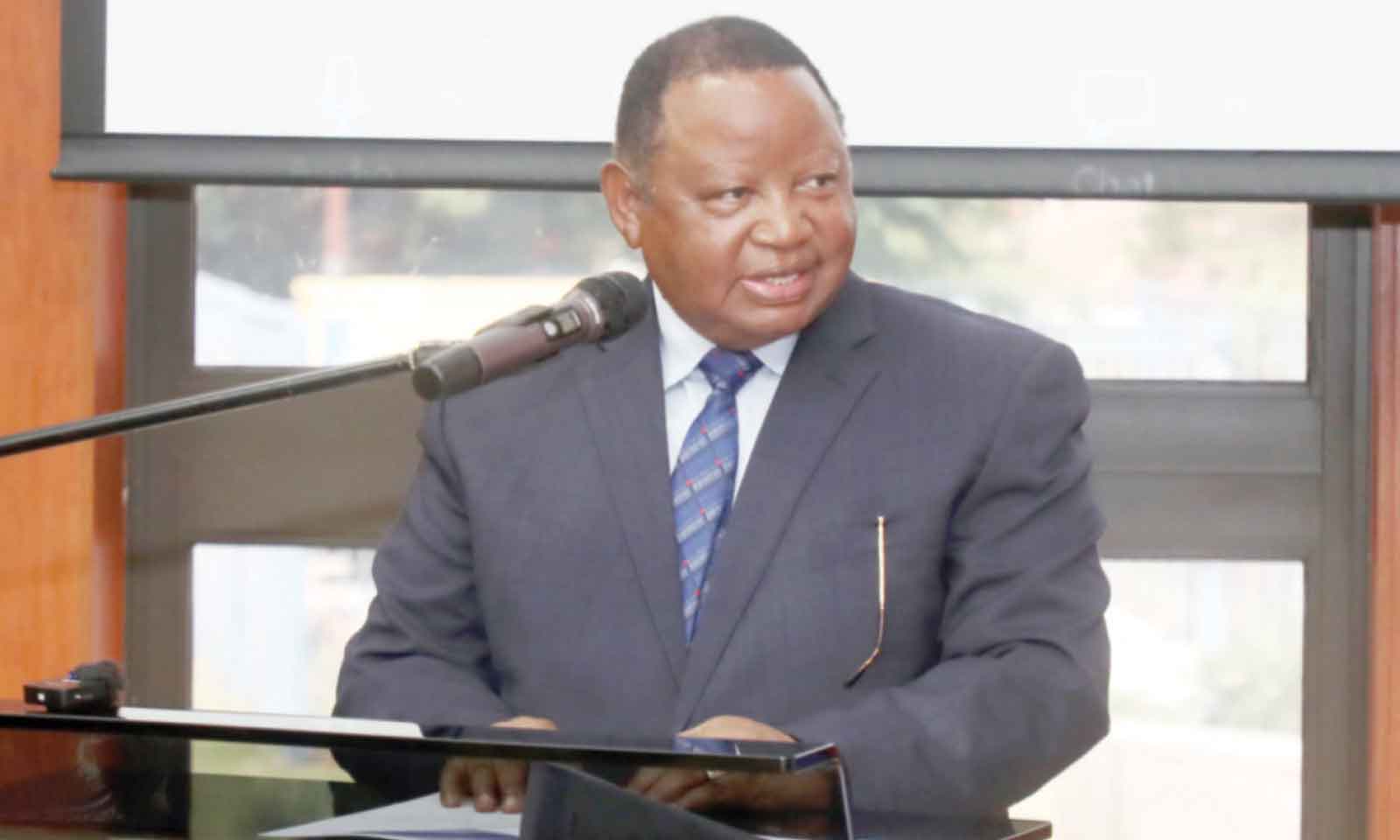
Special Advisor to the President responsible for monitoring implementation of Government programmes, Dr Jorum Gumbo, visited the border post on Friday to witness the progress.
He lauded the facility as a milestone project that will foster development and unity.
“We’re here at Kasambabezi border post in Binga, which is one of the milestone projects that has been done by the Second Republic, a facility that is going to assist the locals in Binga, as they have got relatives across the river,
Zambezi, to cross and meet their relatives for social or other business encounters,” said Dr Gumbo.
“Coming up with this post here is going to be very helpful, not only for the locals, but also for our economy in Zimbabwe at large, because it will stop people from smuggling and at the same time giving some revenue to the country, which we think is a very good thing.”
He also emphasised the potential for tourism and economic integration, noting that Binga’s famous beaches and cultural heritage would attract tourists from Zambia.
“There’s going to be a lot of trade, which is going to be legal trade between the two bordering countries. This border also speaks a lot of good relations between Zimbabwe and Zambia. Historically, there was Northern Rhodesia and Southern Rhodesia, which means that we are twin sisters or brothers,” said Dr Gumbo.
“We’re sister cousins… It actually brings together that relationship… so that they know that Zambians and Zimbabweans, we are all Africans and we are one.”