Talking Farming Ronald Veremu
AGRICULTURE remains the backbone of Zimbabwe’s economy, supporting the livelihoods of more than 60 percent of the population while contributing significantly to national food and nutrition security.
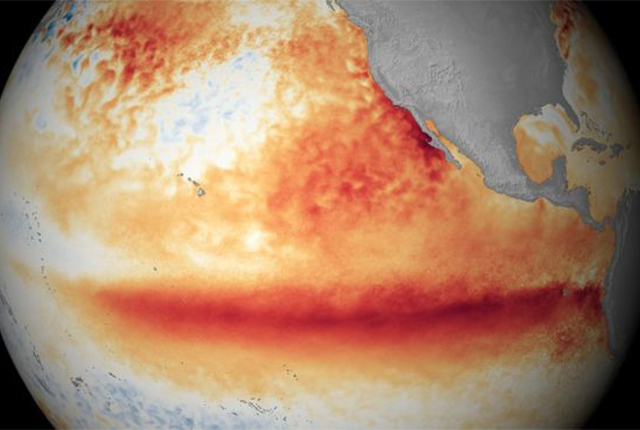
However, the sector is increasingly threatened by climate change, recurrent El Niño-induced droughts, and erratic rainfall patterns, emerging pests and diseases and declining soil fertility.
These challenges have intensified the need for innovative agricultural solutions capable of improving productivity and resilience. Biotechnology-based seed systems have emerged as one of the promising approaches for strengthening Zimbabwe’s agricultural sector and safeguarding the right to adequate food.
A biotechnology-based seed system refers to the use of modern biological sciences and breeding technologies to develop, multiply, distribute and regulate improved crop varieties.
These technologies include, marker-assisted selection (MAS), tissue culture, doubled haploid technology, genomic selection, molecular diagnostics, gene editing and conventional hybrid breeding supported by biotechnology tools
The objective is to accelerate the development of crop varieties with desirable traits such as drought tolerance, heat tolerance, pest resistance, disease resistance, improved nutritional quality and higher yields.
Zimbabwe already possesses a relatively sophisticated seed industry supported by seed certification systems, plant breeding programs, quality control mechanisms, and regulatory frameworks under the Seeds Act and Plant Breeders’ Rights legislation. These institutions provide a strong foundation for integrating biotechnology into seed development and distribution.
A common misconception is that biotechnology-based seed systems are synonymous with genetically modified organisms (GMOs). While GMO technology is a form of biotechnology, biotechnology encompasses a much broader range of technologies.
Biotechnology-Based Seed Systems include conventional breeding enhanced by molecular tools. They may use marker-assisted selection, tissue culture, genomic selection and gene editing. Often they utilize naturally occurring genetic diversity, generally face fewer regulatory restrictions and can produce improved varieties without creating transgenic plants.
Whereas GMO Seed Systems specifically involve genetic modification through recombinant DNA technology, involve insertion, deletion or transfer of genes beyond natural breeding processes, may introduce genes from unrelated organisms, subject to stringent biosafety assessments and regulations and result in genetically modified crops.
Zimbabwe’s National Biotechnology Authority defines a GMO as an organism whose genetic material has been altered in a way that does not occur naturally through mating or natural recombination. Zimbabwe currently regulates GMOs through the National Biotechnology Authority Act and associated biosafety regulations.
The country has generally adopted a precautionary approach and has not commercially released GMO crops, although imports and research activities are permitted under strict regulation.
Thus, biotechnology-based seed systems can function effectively even in the absence of commercial GMO adoption by relying on advanced breeding techniques that do not produce transgenic crops.
Zimbabwe has experienced repeated droughts over the past two decades, with El Niño events becoming increasingly severe. The 2023/24 season demonstrated the devastating effects of prolonged dry spells, resulting in crop failures, livestock losses and increased food insecurity.
Biotechnology-based seed systems can strengthen climate resilience through the development of Drought-Tolerant Varieties. Modern breeding technologies enable researchers to identify and combine genes associated with water-use efficiency and drought tolerance. Crops such as maize, sorghum, millet, cowpeas and groundnuts can be improved to withstand moisture stress while maintaining acceptable yields.
Rising temperatures reduce crop productivity and increase evapotranspiration. Biotechnology-assisted breeding can develop varieties capable of maintaining productivity under heat stress. Climate change is increasing the prevalence of pests such as fall armyworm and diseases affecting major crops. Biotechnology tools can accelerate the breeding of resistant varieties, reducing dependence on pesticides.
Bio-fortification and molecular breeding can improve the nutritional content of staple foods, helping address hidden hunger and micronutrient deficiencies. Conventional breeding may take 10–15 years to release a new variety. Biotechnology-assisted breeding can significantly reduce development time, enabling quicker responses to emerging climatic challenges.
The success of biotechnology depends not only on research but also on efficient seed systems. Farmers can only benefit if improved varieties are accessible, affordable and available in sufficient quantities. A resilient biotechnology-based seed system should include, strong public and private breeding programs, efficient seed multiplication systems, robust certification and quality assurance mechanisms, community seed banks, farmer participation in variety selection, effective extension and advisory services, and strategic seed reserves for emergency response.
Zimbabwe’s existing seed certification framework already provides a strong foundation for ensuring seed quality and maintaining buffer stocks for national seed security.
The increasing frequency of El Niño-induced droughts presents a major threat to Zimbabwe’s food systems. Traditional seed varieties often fail under severe moisture stress, leading to reduced harvests and increased dependence on food aid. Biotechnology-based seed systems can contribute to drought preparedness by developing early-maturing crop varieties, promoting drought-tolerant cereals such as sorghum and millet, enhancing water-use efficiency in crops, supporting climate-smart agriculture, reducing production risks for smallholder farmers and stabilizing yields under variable rainfall conditions.
Recent discussions among policymakers and scientists in Zimbabwe have highlighted biotechnology-based hybrid seed systems as a potential tool for improving drought resilience and national food security.
However, biotechnology alone cannot eliminate drought risks. It must be integrated with conservation agriculture, irrigation development, water harvesting, soil fertility management, livestock integration, climate information services and market access initiatives.
Ronald Veremu is an independent livestock and agriculture development specialist. He writes in his own capacity. Feedback: [email protected] Cell: +263 772 898 722