Online Reporter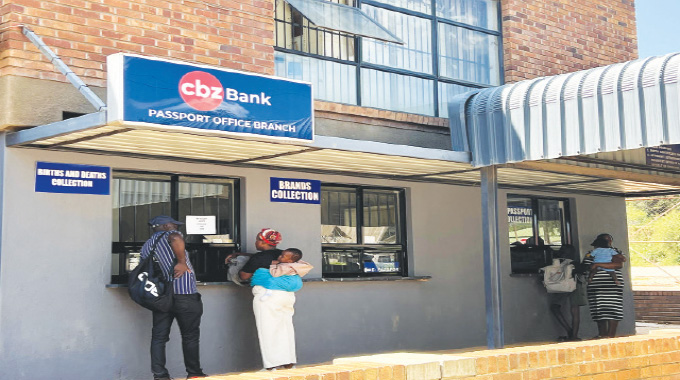
Sukulwenkosi Dube-Matutu, Gwanda Bureau
THE introduction of the biometric e-passport system at the Gwanda Civil Registry has significantly improved service delivery, easing congestion and cutting processing times during the festive season for both local applicants and Zimbabweans living in the diaspora.
In previous years, the festive season was marked by chaos at passport offices, with applicants, particularly diasporans returning home for holidays, forced to sleep outside registry offices due to long queues and slow processing. Many waited for months before collecting their passports.
However, the rollout of the biometric passport system in Gwanda in 2023 transformed the experience this festive season, with applicants able to submit documents and collect their passports within the same holiday period, allowing them to return to their countries of residence without delays.
The biometric e-passport system integrates photography, fingerprint capture and document verification under one roof, eliminating the need for applicants to seek services elsewhere and streamlining the application process.
Mr Mpumelelo Ndlovu, who works in South Africa, said he applied for his passport in mid-December and was surprised when it was ready for collection after just 10 working days.
“When I applied, the queue wasn’t very long and within a few hours, I was already done. We no longer have to go through the cumbersome process that used to require us to queue the whole day,” he said.
Mr Ndlovu said the ability to pay fees in South African rand was an added convenience for diasporans.
“They told me my passport would be ready after seven working days, but I didn’t believe them. This was my first time at the e-passport office and the efficiency really impressed me,” he said.
Another applicant, Ms Sheila Mabhena, said the orderly process was a stark contrast to past experiences.
“When I arrived, I thought I would spend days in the queue like before. Instead, the line was moving fast and I was assisted on the same day,” she said.
“It is also a relief that we can transact in South African rand. In the past, we had to first change money to US dollars, which was inconvenient.”
Ms Mabhena said the adoption of modern technology was improving public service delivery and restoring confidence among citizens.
The Civil Registry has decentralised the issuance of vital civil registration documents to all 10 provinces, 62 districts and 206 sub-offices across the country as part of efforts to accelerate service delivery and reduce congestion at major centres.
The Government introduced the new biometric e-passport system in December 2021, a move that has considerably improved efficiency while clearing long-standing backlogs through digital enrolment and enhanced security features.
An electronic passport contains a secure embedded chip holding the holder’s biographic and biometric information, including fingerprints, making it more difficult to forge or tamper with and protecting citizens against identity theft.
To produce the new passports, the Government entered into a build, operate and transfer (BOT) partnership with Lithuanian company Garsu Pasaulis, ensuring Zimbabwean passports meet modern international travel standards.
Since the introduction of the system, the gradual rollout of passport offices across the country has helped decongest major centres such as Harare and Bulawayo.
E-passport services have also been extended to Zimbabwe’s busiest foreign missions, where biometric data is captured, allowing passports to be processed locally even when collected by relatives in Zimbabwe.
The reforms have transformed what was once a bureaucratic bottleneck into a more secure, efficient and citizen-centred service. Authorities say service delivery will continue to improve as more Zimbabweans migrate to the new system, in line with the Second Republic’s commitment to modernising public services. — @DubeMatutu