

 Peter Tanyanyiwa
Peter Tanyanyiwa
Herald Correspondent
Participatory Ecological Land Use Management Zimbabwe has commenced a two-day biomonitoring training workshop in Makonde aimed at strengthening evidence-based approaches to sustainable land management under its Holistic Land and Livestock Management (HLLM) programme.
The training, which started on Tuesday and ends on Wednesday, has brought together smallholder farmers, agricultural extension officers, representatives from various Government ministries and technical partners drawn from across the country.
The initiative builds on previous capacity-building programmes undertaken by the organisation as it scales up agroecological practices and climate-resilient farming systems.
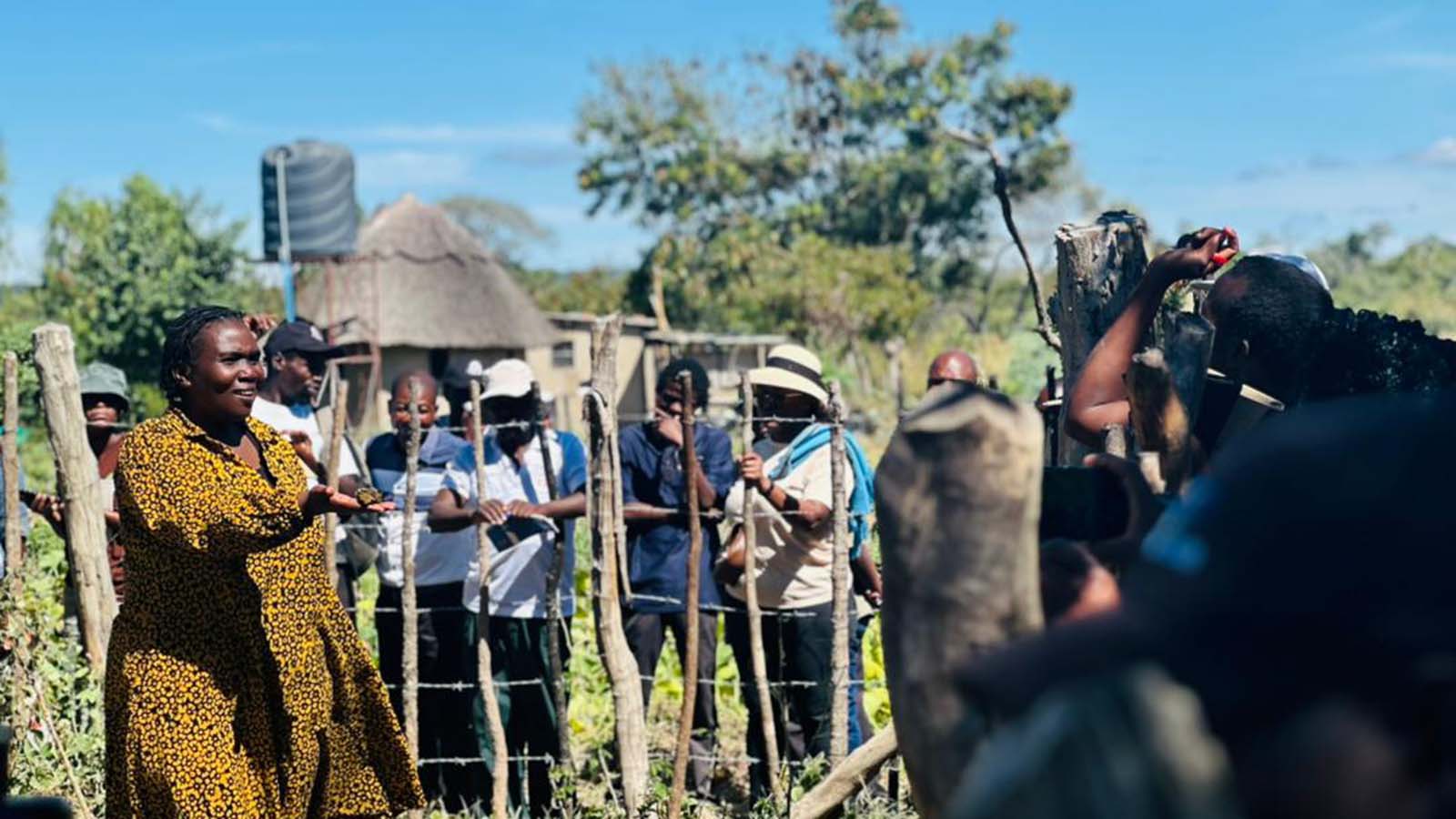
PELUM Zimbabwe country co-ordinator Mr Theophilus Mudzindiko said the training seeks to equip participants with practical skills to assess the impact of holistic land and livestock management interventions.
“Biomonitoring allows us to determine the impacts of this holistic land and livestock management programme,” he said.
“This programme focuses on planned grazing and crop field impaction, and biomonitoring will enable participants to track changes in species diversity, soil fertility and water systems.”
He said participants would be trained to monitor key environmental indicators, including vegetation cover, infiltration rates and fluctuations in underground water levels.
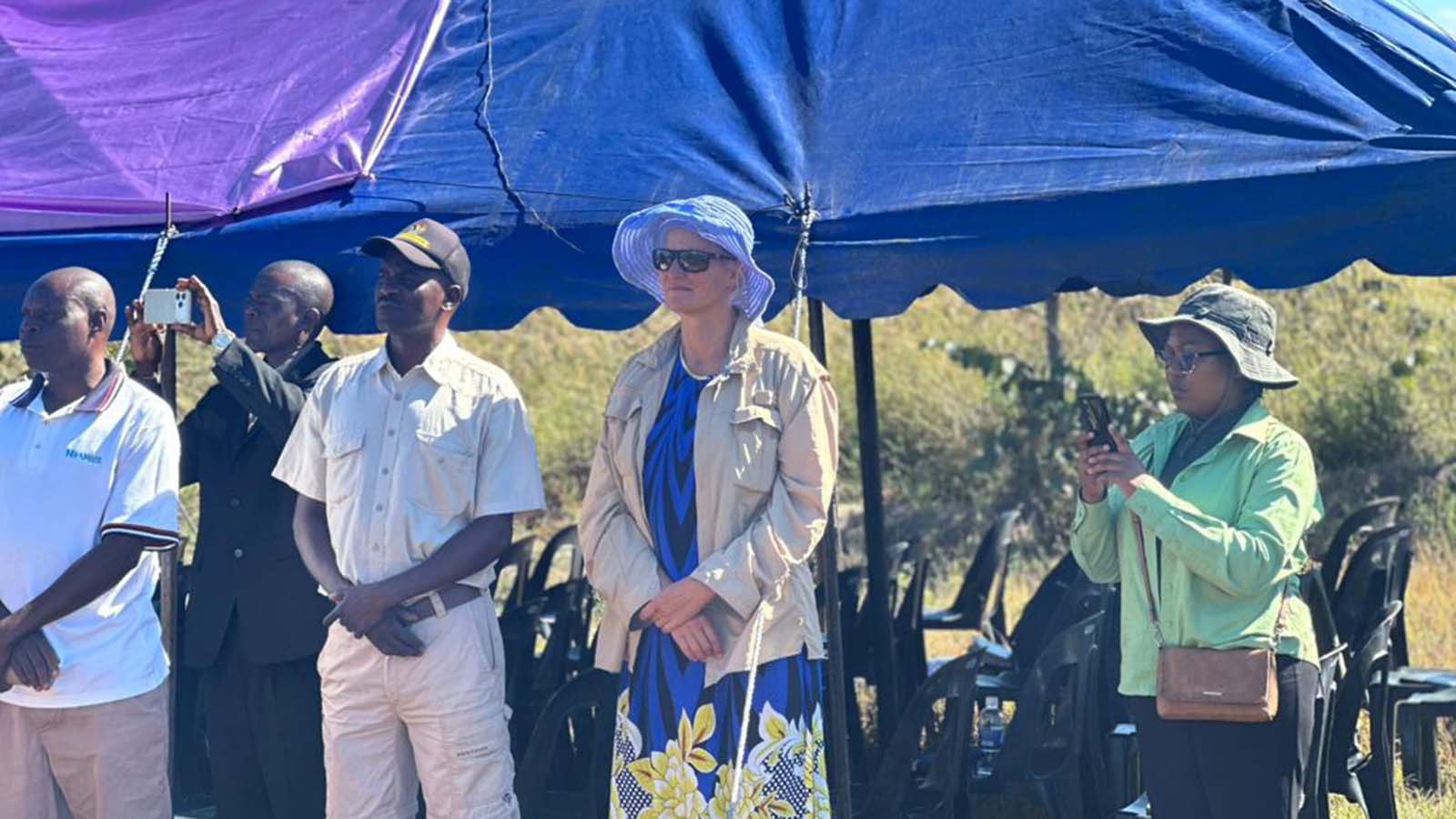
“The idea is to build the capacity of participants to determine the benefits of this initiative for themselves by monitoring actual changes across their landscapes,” said Mr Mudzindiko.
Biomonitoring, which involves the use of living organisms such as plants, insects and micro-organisms to assess ecosystem health is increasingly being adopted as a critical tool in evaluating environmental sustainability and agricultural productivity.
PELUM Zimbabwe, a network of civil society organisations established in 1995, works with smallholder farmers to promote agroecology, sustainable livelihoods and environmental conservation through participatory land-use management approaches.
Under the HLLM framework, farmers are encouraged to adopt regenerative practices such as controlled grazing and organic soil management to restore degraded land, improve productivity and enhance resilience to climate change.
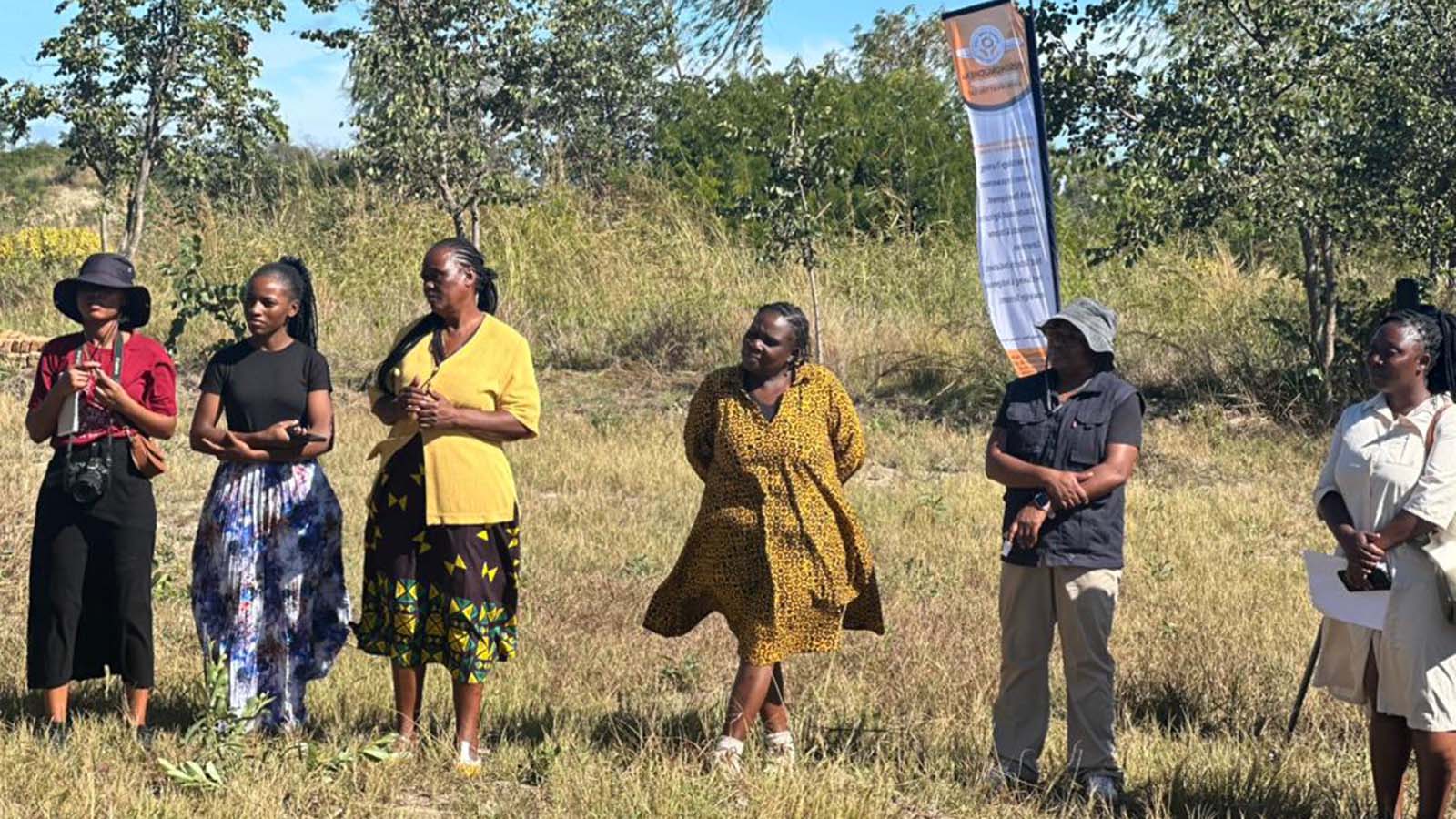
Experts say the integration of monitoring systems into such programmes is key to generating data that informs policy, strengthens community decision-making and improves long-term sustainability outcomes.
The Makonde training is expected to enhance the ability of stakeholders to measure ecological changes, thereby reinforcing Zimbabwe’s transition towards climate-smart agriculture and sustainable land use systems.



 Online Reporter