Online Reporter
Tisangela Dhumbura
BLACK History Month began not as a celebration, but as a correction.
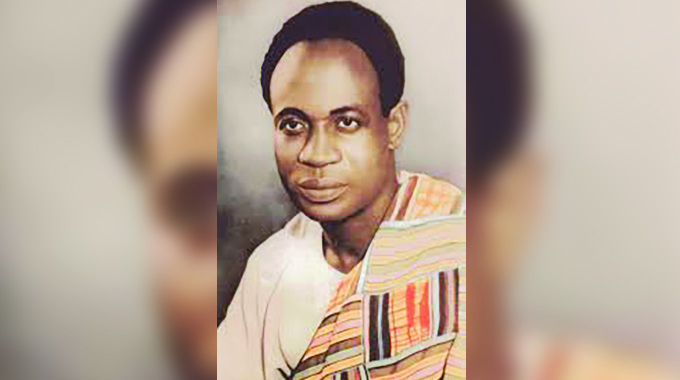
In 1926, African-American historian Dr Carter G Woodson launched what was then known as Negro History Week in the US. His goal was to ensure that the contributions and achievements of black people were recognised in societies that had largely erased them from history books.
The initiative later expanded to Black History Month, officially recognised in the US in 1976, and has since spread across the African Diaspora, including Africa itself.
Woodson was clear about the purpose of remembering black history.
He famously said: “We do not celebrate Black History Month to commemorate the past. We celebrate it to inspire our future.”
His words remain relevant today, reminding societies that history should guide progress, not trap people in grief.
Half-a-century later, Black History Month has grown into a global moment of reflection — a time to remember slavery, colonialism, racism and resistance, while also celebrating black excellence, resilience and creativity.
In Zimbabwe, the month is increasingly being observed as a space for cultural pride and dialogue. This was evident on February 3, when Zimbabweans gathered at Heritage Village to commemorate Black History Month through music, dance and historical exhibitions. The event brought together artistes, youths, historians and diplomats, allowing history to meet present-day realities.
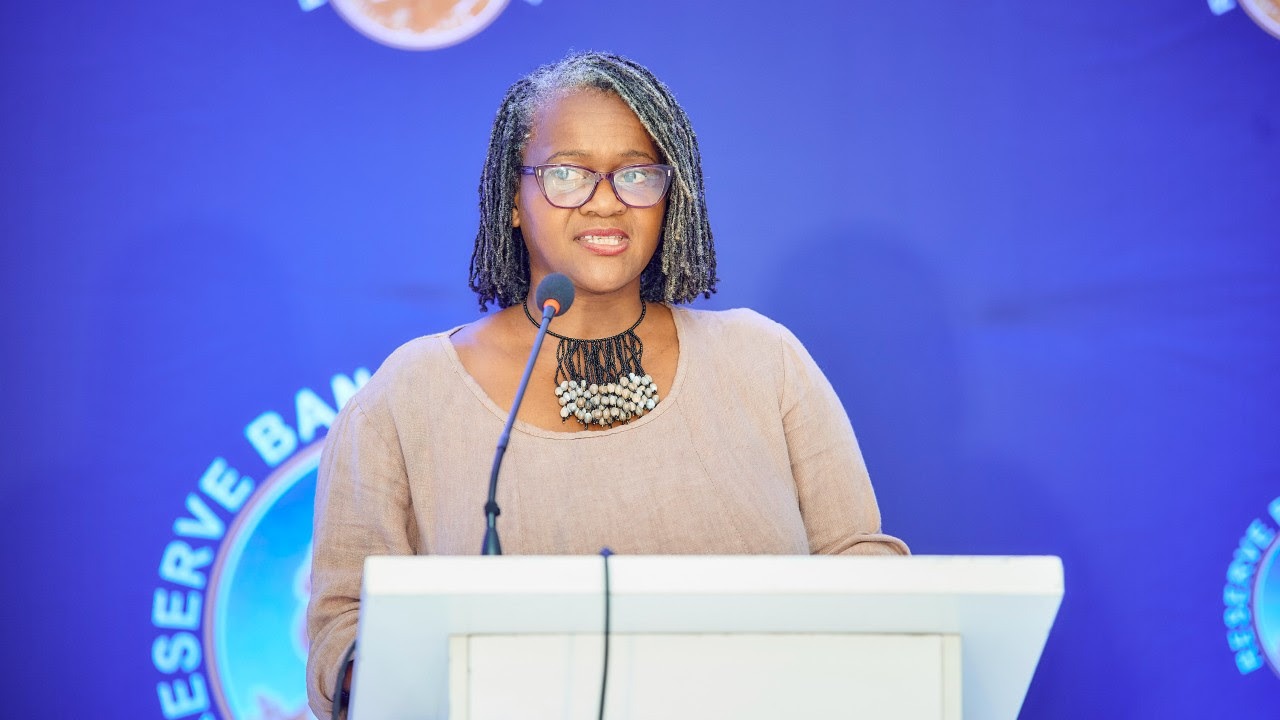
It was at this gathering that Ambassador Kwame Muzavazi delivered a message that set the tone for the occasion.
“Let this Black History Month be a moment our gaze shifts not backward into the shadows of mourning, but forward into the boundless light of possibility,” he said.
“To move Africa forward, we must organise and not agonise. The future of Africa is not a passive destiny but an active construction.”
Ambassador Muzavazi urged Africans to rethink how they relate to their history.
“Our power lies not in shared sorrow but in unified strategy. We must transform lament into blueprints and frustration into focused effort. This requires a clear vision, institutional strength and pan-African solidarity. Agony paralyses. Organisation empowers.”
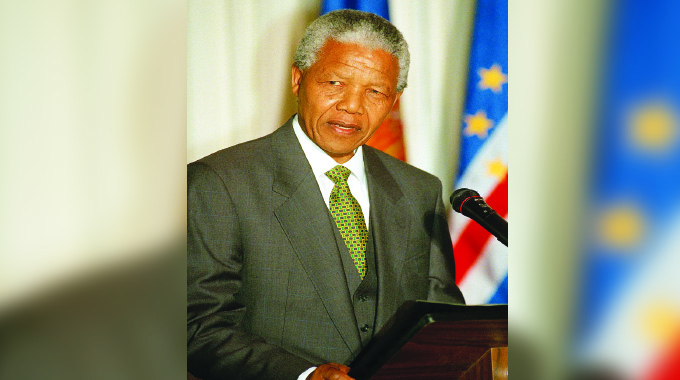
While the Heritage Village event focused on remembrance and celebration, it also invited a broader reflection that Black History Month must now do more than remember pain. Slavery and colonialism were brutal and dehumanising, and their effects are still visible today. However, history should serve as instruction, not a permanent identity of victimhood.
Other regions of the world offer useful lessons. No continent has been free from foreign domination. Europe endured occupations and devastating wars. Parts of Asia were colonised for centuries. What distinguishes those regions today is not the absence of suffering, but the decision to organise, rebuild and rewrite their stories.
The Jewish principle of “Never Again”, which emerged after the Holocaust, provides a clear example. Widely used in Holocaust remembrance, the phrase represents a pledge that suffering must lead to resolve, organisation and protection of the future, not permanent victimhood. Memory was preserved, but it was paired with action.
African leaders have long spoken in similar terms. Tanzania’s founding President Julius Nyerere warned that “without unity, there is no future for Africa”.
South Africa’s Nelson Mandela, at his inauguration in 1994, declared: “Never, never and never again shall it be that this beautiful land will again experience the oppression of one by another.”
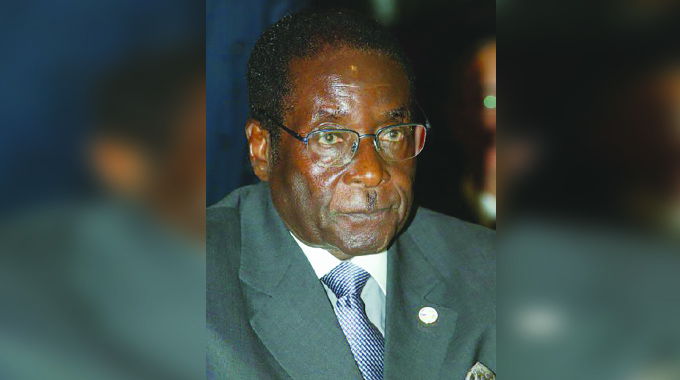
One of Zimbabwe’s own liberation leaders, the late former President Cde Robert Gabriel Mugabe, consistently emphasised African unity and self-determination. In his early pan-African speeches, he said:
“Africa must revert to what it was before the imperialists divided it. These are artificial divisions which we, in our pan-African concept, will seek to remove.”
Later, as African union Chairperson in 2015, he declared: “African resources belong to Africa. Others may come to assist as our friends and allies, but no longer as colonisers or oppressors.”
These examples illustrate a central idea: Africa’s future cannot be built on memory alone. It must be built on organisation, confidence and unity.
History shows that no continent has escaped foreign rule, yet the key difference is how societies respond.
Europe, Asia and even Jewish communities emerged from oppression by organising, rebuilding institutions and investing in education and culture. Africa, too, has the capacity to do the same.
Hence, it is time for Africans to stop seeing themselves primarily as victims of history. Instead, we must align as Africans, strengthen institutions, invest in our economies and tell our own stories.
Past trauma should guide strategy, not define identity.
Black History Month, therefore, should not only honour what Africa and
its people endured, but also affirm what still lies within them — the power to organise, to align across borders and to write their own story.
As Ambassador Muzavazi reminded the Heritage Village gathering: “Let us build the structures, unify the intent and move with decisive collective purpose towards the realisation of the African genius.”
History is not finished. It is being written every day. The question is whether Africa will continue to look back in pain — or forward with purpose.
Black History Month, therefore, should not only honour what Africa and its people endured, but also affirm what still lies within them. — The Patriot