admin
admin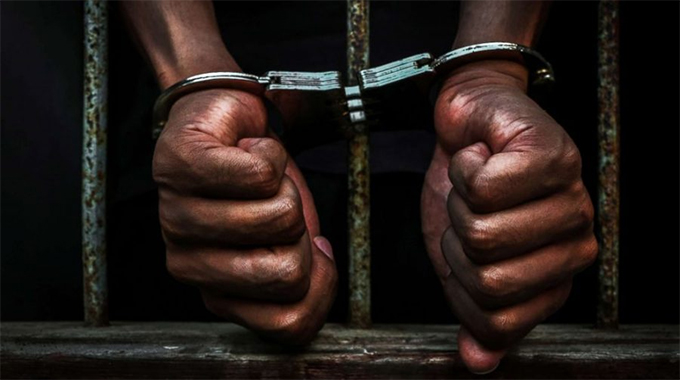
Peter Matika
Bulawayo Bureau
A man masquerading as a doctor in Bulawayo’s Mpilo Hospital and extorting money from patients has been arrested after being rumbled by a vigilant nurse and is scheduled to appear in court today.
Bulawayo provincial police spokesperson, Inspector Abednico Ncube, confirmed the arrest of Prosper Mpofu (29) from Upper Rangemore in Bulawayo.
“On 17 August at around 11am, a 25-year-old woman from Magwegwe suburb in Bulawayo called Mpofu for medical services after being referred to him by her friend. Mpofu agreed to the appointment and told her to go to Mpilo Hospital and bring US$120, which she did,” said Insp Ncube.
He said Mpofu examined the woman and wrote a prescription that included an injection. Mpofu then asked for the money on the pretext that he would buy the medication on her behalf.
“She gave him US$100. Mpofu returned with some medication and an injection, which he administered to the patient. The following day, the patient returned to Mpilo Hospital where she paid a balance of US$20 to Mpofu. No receipts were provided on either occasion,” said Inspector Ncube.
He said the woman’s condition did not improve and she informed Mpofu, who told her to return on 17 September for a review. Mpofu told the woman to bring more money as he wanted to change the medication.
“At around 6:30am, a nurse on duty met the woman in the casualty ward and asked if she could help her. The patient then indicated that her medical cards were taken by Mpofu,” said Inspector Ncube.
The nurse suspected something was amiss and asked the woman to show her the doctor.
“Some moments later, the patient managed to identify the doctor and showed him to the nurse. The nurse requested the patient’s cards from Mpofu and observed that the prescription had inadequate information. The nurse then interviewed him, and he claimed to be working at United Bulawayo Hospital,” said Inspector Ncube.
He said staff at Mpilo Hospital made efforts to ascertain Mpofu’s credentials and discovered that he was a fraud.
“The nurse then reported the matter to the police, leading to his arrest. We commend the vigilance of the informant nurse who saved the life not only of the patient in question but many who could fall for the same fraudster,” said Inspector Ncube.
Earlier this year, 44 fake doctors and tutors were arrested at Parirenyatwa Group of Hospitals. The Health Professions Authority Zimbabwe (HPAZ), a statutory body whose mandate is to protect public health, warned of the prevalence of fake medical practitioners threatening public health.
“The rise of individuals posing as qualified medical professionals, despite lacking the necessary credentials and expertise, poses serious threats to public health and safety. As part of its mandate, the authority seeks to uphold and promote high standards for the healthcare delivery system in Zimbabwe through the coordination of the eight health professions councils and healthcare institutions in an ethical, efficient, and professional manner,” read a statement from HPAZ.
“Regardless of their motivations, the presence of bogus medical practitioners represents a grave threat to public health and undermines the integrity of the Zimbabwean healthcare system. The risks associated with seeking medical treatment from bogus practitioners are manifold and can have devastating consequences for patients. Without the proper training and knowledge, these individuals may misdiagnose conditions, prescribe inappropriate medications, or perform procedures that pose serious risks to the health and well-being of their patients.”
It said that because there was a lack of accountability and oversight, patients might have no recourse in the event of malpractice or harm caused by the actions of bogus practitioners.
“In order to combat the proliferation of bogus practitioners and protect the public from harm, concerted efforts are being made at institutional and regulatory levels. Healthcare regulatory bodies and law enforcement agencies are investigating and prosecuting individuals engaged in fraudulent medical practices,” read the statement.
“By enforcing effective licensing requirements, conducting inspections, and implementing robust oversight mechanisms, regulatory authorities aim to mitigate the risks posed by bogus practitioners and deter others from engaging in similar deceptive practices.”



 Online Reporter