

 Online Reporter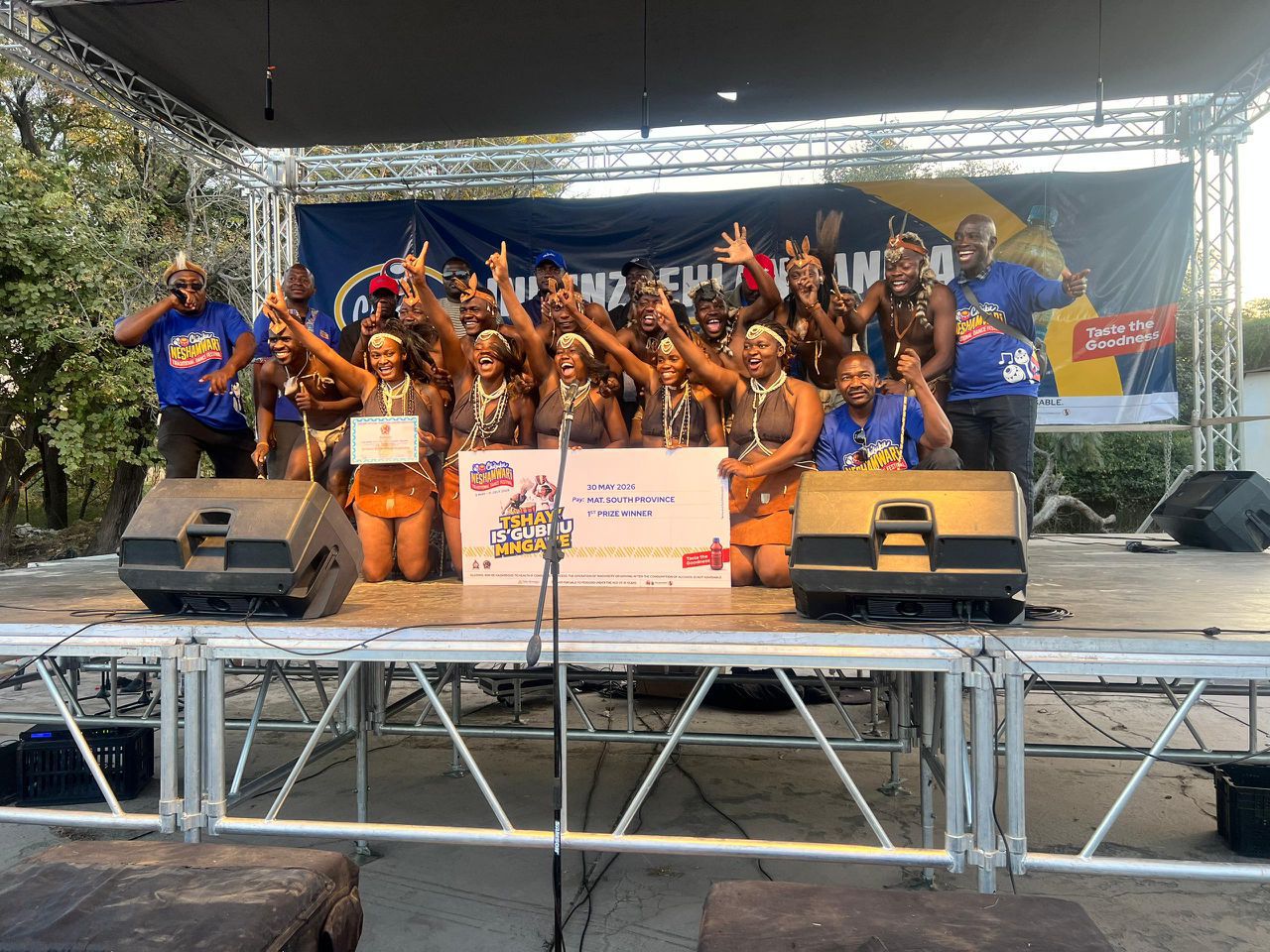
Trust Khosa Zimpapers Arts and Entertainment Hub
The race to this year’s Chibuku Neshamwari Traditional Dance Festival national finals gathered momentum over the weekend as Matabeleland South and Mashonaland East crowned their provincial champions.
In Matabeleland South, Bolamba Culture Birds emerged victorious at the provincial finals held at Collen Bawn Beerhall on Saturday. Chihoda Ensemble from Blanket Mine finished second, while Blanket Mine Beni claimed third place with their energetic Beni Arinoti dance performance.
On the same day, Marondera Gure Art Group, performing the Chewa Gulewankulu dance, won the Mashonaland East provincial finals held at Camp and Caravan Park in Murehwa. Vimbiso Dance Troupe took second place, while Mbende Jerusarema Dance Group from Murehwa Prison finished third.
The latest winners join Ezimyama Dance Ensemble from Bulawayo and Dzimbahwe Nengoma, who secured Mashonaland Central’s ticket to the national finals after winning the provincial competitions. In Masvingo Province, Musa Bira Evadzimu Dance Group has already qualified for the national finals following its victory at the provincial competition held at Madondo Hotel in Gutu in May.
Organised by Delta Corporation in partnership with the National Arts Council of Zimbabwe (NACZ) and the Zimbabwe National Traditional Dancers Association (ZNTDA), this year’s festival is running under the theme: “Ngoma Ngairire Shamwari, Tshay’sgubhu Mngane”.
Provincial winners are receiving US$2 500, with runners-up pocketing US$1 500 and third-placed groups receiving US$1 000. At the national finals, the winning group will walk away with US$15 000, while second and third place will earn US$10 000 and US$7 500 respectively.
The provincial competitions, which began on May 9, will culminate with the national finals on July 11 at a venue yet to be advised.
Over the years, the Chibuku Neshamwari Traditional Dance Festival has grown into one of Zimbabwe’s premier cultural events, providing a platform for communities to celebrate their heritage while preserving traditional dance forms for future generations. Beyond the prize money, the competition promotes cultural exchange, unity and artistic excellence, while empowering local artistes through exposure and recognition.




 Blessing Chizhande