admin
admin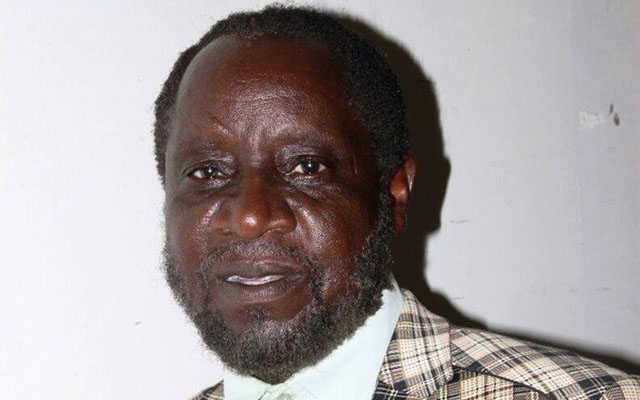
Beaven Tapureta Bookshelf
Some of the reasons why Apostle John Shava’s book “The Battle for Altars” (2017, Days of My Youth Press, Harare) is really absorbing are the author’s in-depth knowledge about demonology and its manifestation in people’s daily experiences normally taken for granted.
It’s a book not clogged with some “theological gobbledygook” but anyone can read it and understand where the ideas challenge him/her.
When in 1989 world-renowned evangelist Reverend Ernest Angley published his book “The Deceit of Lucifer”, it was a much-awaited gift that stripped the practices of the devil in today’s world by explaining, with Biblical allusions, issues such as why horoscopes, fortune telling, seducing spirits, the Antichrist, Satanism, visualisations of the occult, and many others are works of Satan.
Now one of African scholars in theology, an apostle of God has come on board to bombard “the kingdom of Lucifer” and expose his ammunition. Apostle Shava, with his constant reference to African tradition and/or ancestry and writing some of it as “devilish”, joins the combat between African cultural activists and Christians as one group resists the other’s beliefs or ways of worship.
Such conflict of beliefs is seen when Apostle Shava writes about a “village altar” as one of the types of demonic altars. He narrates how he clashed with the police after his team destroyed traditional objects they found at a village shrine during one of his church-planting mission in a certain rural area. Atop the mountain, Apostle Shava writes that there was an “ancestral shrine with many articles of traditional worship and sacrifice to ancestral spirits scattered around the place including earthen pots”. These objects his team fearlessly destroyed and he says nothing happened to him or his team except being called to report to the police for destroying a local shrine which government wanted preserved.
The Bible is to a great extent quoted in “The Battle for Altars”. The Biblical altars such as those raised by apostles like Noah, Jacob, Abraham and others are defined, analysed and contrasted with the demonic or satanic altars which are “places of spiritual significance where sacrifices are offered to the devil”.
The battle for altars, according to Apostle Shava, is a “spiritual quest for dominance between good and evil in the spiritual realm. Forces of darkness are trying to overtake proper spiritual worship by introducing subtle and deceptive ways of worship among people”.
When one reads the part that gives examples of demonic altars, the story making rounds in the city at the moment about a wealthy young woman and her now troublesome cash-creating snake comes to mind. No doubt certain rituals had to be done to satisfy the snake so that it performs. Around the globe there have been many such stories of people giving their all to the devil to get rich quickly.
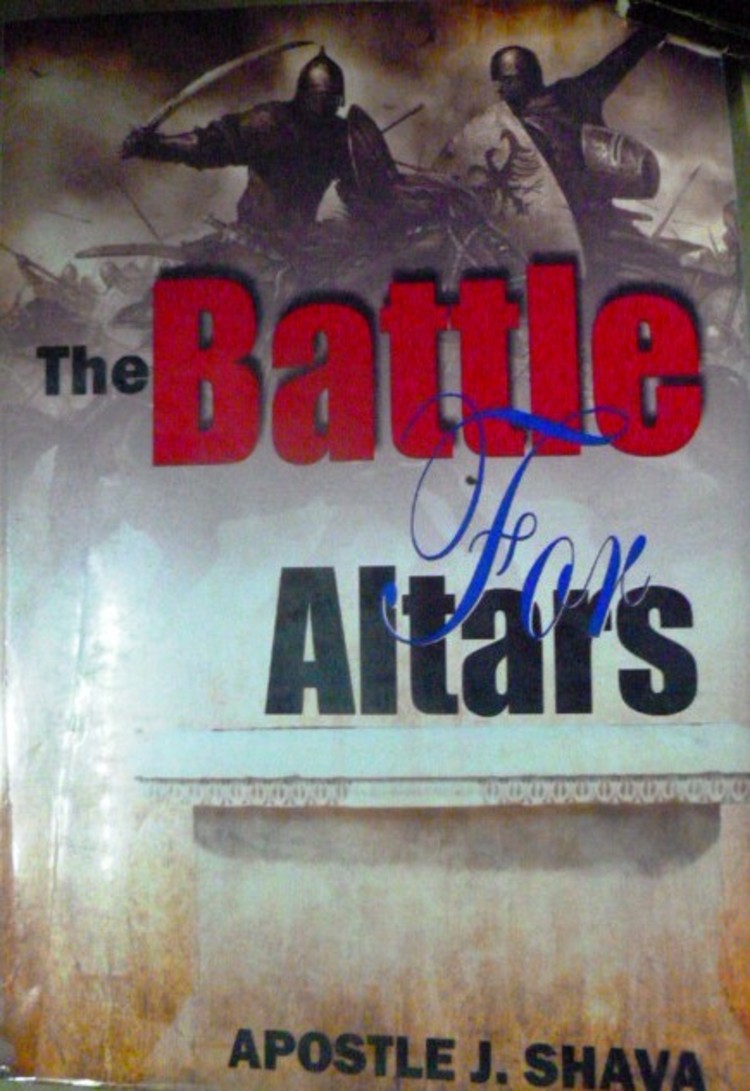
Apostle Shava says that, in the chapter “Serving at Evil Altars”, such rituals or actions are done “to fulfil the requirements of some evil altar”. The other demonic altars described by the author in the book are presented in a fierce probe into their links with contemporary reality. For instance, present day prophets who demand consultation fees from anyone who seeks a one-on-one meeting with them are censured as the fee, Apostle Shava writes, is offered to some ruling spirit as a token to permit it to rule over one’s life.
In another fearless dismantling of Satan, Apostle Shava points at how some pressure groups have been used to put societies under illusion. While “the Freedom Charter” among international statutes that govern nations is well-intended, these pressure groups, sponsored “through satanic organisations”, abuse it to lobby the UN to allow them to introduce their “weird, immoral, and ungodly lifestyle into society”.
In this end-time hour in which we are living, in which mystery rules more than open and bona fide faith, reading books like “Battle for Altars”, far from fiction, challenges a re-thinking of what is of God and what is not. Books such as this, imbued with twelve chapters of interesting Christian ideas, needs an index, an alphabetical listing of names and topics along with page numbers where they are discussed, to help the reader.
Apostle John Shava is the founder and director of Calvary Christian Life Missions in Zimbabwe.



 Online Reporter