Sikhumbuzo Moyo [email protected]
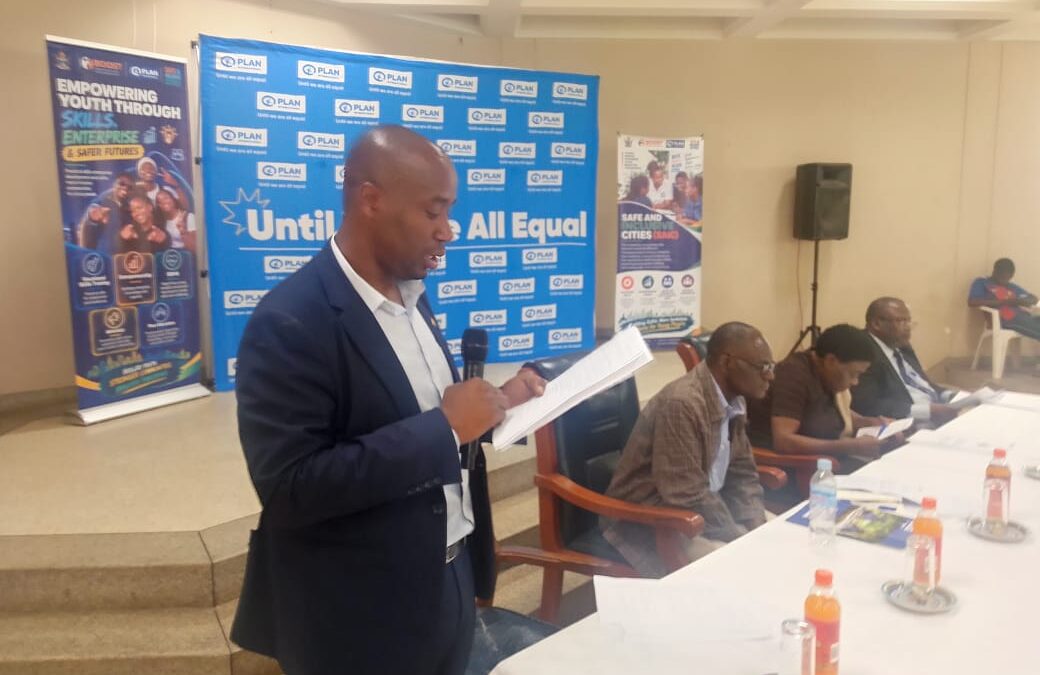
YOUNG people in Bulawayo’s Makokoba, Mzilikazi and Pumula suburbs are set to turn their vocational skills into viable businesses following the handover of starter equipment under the Safe and Inclusive Cities (SAIC) Project.
The initiative, being implemented by Building Opportunities with Sustainable Talent (BOOST) in partnership with Plan International Zimbabwe, seeks to promote youth empowerment through vocational training, entrepreneurship development and access to productive resources.
Addressing beneficiaries during the handover ceremony, BOOST director Mr Tinashe Mushonga said the initiative was designed to bridge the gap between skills acquisition and establishing sustainable businesses.
He expressed appreciation to Government, Plan International Zimbabwe and stakeholders from the Ministry of Youth Empowerment, Development and Vocational Training for making the programme possible.
“Today we are not simply gathering to discuss youth empowerment, but we are here to put practical resources into the hands of young people who have demonstrated commitment, skills and potential to transform their own livelihoods,” said Mr Mushonga.
He said the SAIC Project sought to address interconnected social and economic challenges affecting adolescents and young people, particularly young women and those from marginalised communities.
Through its partnership with Plan International Zimbabwe, BOOST is implementing interventions in three Bulawayo communities, namely Makokoba, Mzilikazi and Pumula.
Mr Mushonga said the project recognised that young people needed not only safe, inclusive and respectful environments but also opportunities to achieve economic independence.
The programme focuses on improving access to comprehensive sexuality education, referral pathways and community dialogue, while promoting safe and inclusive environments, particularly for girls and young women.
It also equips beneficiaries with vocational, entrepreneurship and green skills that respond to the needs of local economies.
The third component focuses on helping young people translate their acquired skills into viable enterprises, sustainable livelihoods and meaningful economic participation.
“At BOOST, we believe that training should not be the final destination. Training has to become the pathway to enterprise creation and improved livelihoods. This principle is at the centre of our approach to implementing this project,” he said.
Mr Mushonga said beneficiaries had participated in vocational skills training, entrepreneurship development, business planning and green skills programmes aimed at strengthening their confidence and enterprise readiness.
Some had progressed from learning basic entrepreneurship concepts to identifying business opportunities, developing business plans and presenting their proposals for assessment.
The supported business initiatives include food preservation, rabbit production, garment construction, metal fabrication and renewable energy-related enterprises.
“The beneficiaries have demonstrated business potential and viability through their participation in skills development programmes and the preparation and presentation of business plans.
The provision of starter equipment is an important intervention, as many young people complete vocational training but struggle to establish businesses because they lacked the necessary tools and productive asset,” said Mr Mushonga.
Mr Mushonga said the project’s success would ultimately be measured by the ability of beneficiaries to establish enterprises, achieve financial independence and create opportunities for others.