Online Reporter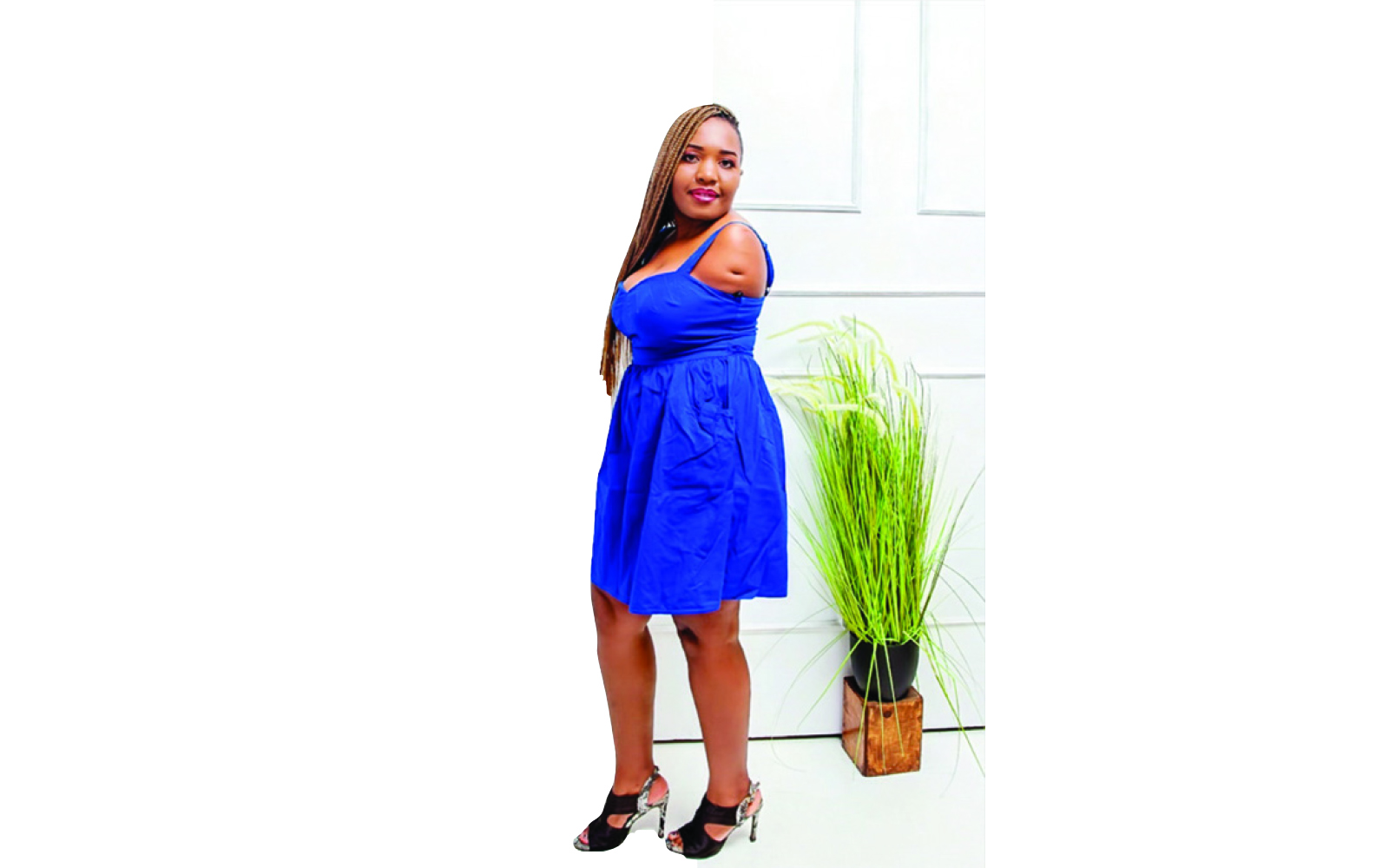
Trust Freddy-Lifestyle Correspondent
WHILE many women chase fame and fortune through breast and rear enhancements, plastic surgeries and showcasing their bodies via the booming live streaming industry, Siphiwe Mbano has touched the hearts of millions of viewers by sharing her daily life.
Born without hands, the 27-year-old woman has captured the hearts of thousands with viral videos showcasing her incredible ability to navigate life using only her feet.
Born without hands, Siphiwe could have felt sorry for herself, but she did not.
In a world often defined by limitations, Spiwe is breaking barriers and redefining what it means to be resilient.
Siphiwe was born with phocomelia, also known as amelia, a rare congenital condition characterised by the underdevelopment or absence of limbs.
In her case, she was born without both upper limbs, a specific manifestation of this condition that affects limb formation.
Despite the challenges, Siphiwe approaches life with a radiant can-do attitude that has inspired people of all ages on social media.
“I rarely feel it because I can do almost everything that you do with your hands,” Siphiwe said with a smile beaming from ear to ear.
She has lived all her life like that and this is her story, that of an ordinary young girl who lived an ordinary life in an incredibly extraordinary way.
“I am told I started using my feet when I was four months old,” she said.
Despite the challenges, Siphiwe approaches life with a radiant can-do attitude that has inspired people of all ages on social media.
While most children typically begin to show interest in self-feeding around 6 months of age, Siphiwe reportedly started experimenting with feeding herself using her feet at around five months old.
Miracle!
“One day my mom was surprised to see me feeding myself porridge,” she added.
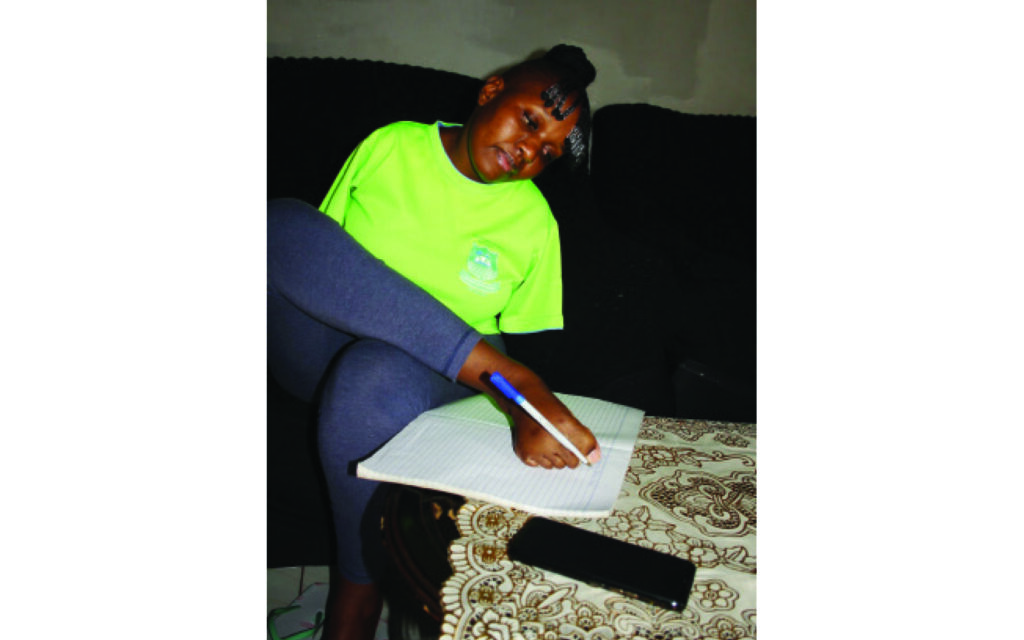
Without any specific instruction, Siphiwe naturally adapted to using her feet for various tasks typically done with hands, including eating with a fork, drinking from a glass, typing, painting, throwing a ball and playing video games.
Born on June 27, 1997, in Silobela, she hails from a family of three, with two girls and one boy, she being the firstborn.
However, she grew up in Warren Park D, Harare, residing with both her parents and siblings.
Now 27 years old, Siphiwe completed her Form Four in 2014.
She attended Jairos Jiri Primary School, then enrolled at St Faith’s High School in Rusape, later attending King George High School in Bulawayo.
After completing Form 4, Siphiwe returned home to Warren Park D, where she has been staying with her parents since 2015.
Her remarkable journey took a new turn when she discovered digital content creation, dazzling a global audience with her daily vlogs that showcase her inspiring adaptability and skills — all accomplished with her feet, captivating hearts worldwide.
“I started posting my videos in March this year, and the response has been overwhelming,” she said.
“I had 4 000 followers, but I now have over 62 000 followers, and I’m getting over 1 million views.”
Her videos are racking up over 1 million views on Facebook, and in just two months since starting to post, she now boasts 60 000 followers.
“At first, I was very shy, but I’ve realised that I’m giving people hope. I can even see others saying they couldn’t post their pictures because they’re too short, but they’re now finding every reason to be proud of themselves.”
However, Siphiwe’s inspiration comes from popular afro-jazz artiste Chipo Muchegwa, her former schoolmate who was born with a disability — without arms and with limb abnormalities which left her with very short legs.
Despite these challenges, Chipo has defied the odds and also showcases her skills in using her feet to accomplish various tasks, serving as a powerful role model.
“At first, I was very shy,” Siphiwe said. “Chipo encouraged me not to be shy, so when I started posting my videos, I was really surprised by people’s response.”
In some of her videos, she showcases her manual sewing skills, threading a needle, cutting the thread to the right size, and stitching her dress — all with her feet.
Additionally, she plays nhodo, a traditional Zimbabwean children’s game involving pebbles, where players typically create a shallow hole or circle on the ground and move pebbles accordingly.
In one notable video, she skilfully tosses a small stone or “mguga” into the air, catches it, and simultaneously pushes pebbles out of the circle using her feet, outpacing players with hands.
In another video, she can be seen ironing clothes, cooking eggs, washing clothes and working as a shop assistant.
Siphiwe also posted another video in which she washes her feet before eating sadza and chicken using her feet, much to the delight of her audience.
“You are a blessing my sister, you give us courage not to always complain about everything in life, sometimes we just have to appreciate what’s available and make use of it, thank you so much sister,” Isaac Mugomba reacted to her post.
In another video, she posted herself applying toothpaste to her toothbrush before brushing her teeth, and later wiping her face with a towel and applying face lotion.
“God knew before you were born that even if you wouldn’t have hands, you would be a strong woman . . . that’s a miracle. He is doing great things. You are a living testimony; stay strong, dear,” Matoo Nkosi, another social media user, reacted to her post.
Stanley Tizora, Spiwe’s Facebook top fan said: “You are the best blessings my dear, everything is perfect about you, I really like you.
‘‘You know how to do everything, this is a blessing that supports the saying that disability doesn’t mean in ability.”
Another social media user, Rowen Mashwama, was equally amazed by Siphiwe’s capabilities.
“Wow, so touching! Keep it up and know that God loves you. It’s a lesson to us lazy people that if someone without hands can use her legs to prepare food on her own, why are we too lazy to even make a cup of tea?”
Another social media user, Tapiwa Musonza, was also stunned by the way Siphiwe uses her feet to write.
“Your handwriting is neat and nice better than mine and others who use hands, you are very much blessed.
“From today I will stop complaining to God, I need to be grateful for everything in my life.”
Siphiwe has now mastered the art of using her feet, and she can eat with a spoon without any rice falling.
Today, she is now used to it, she hardly thinks about her missing limbs.
“I am forever grateful for the continued support I receive from people around the world.”
However, her only wish is to own a shop where she can operate by herself.
“If funds permit, I’d like to own a shop, and any well-wishers can assist with capital because I can manage it.”
Siphiwe is also optimistic that she might end up making money through digital marketing.
“My page is attracting hordes of people, and it’s my hope that I’ll get to advertise for people. I only did it once, but I hope I’ll get more because my reach is very wide.”
Her feet are incredibly versatile, allowing her to do everything from styling braids and playing padel to typing on her phone and wearing dresses with ease.
Siphiwe’s mother, Sikhulekile Dube, says she is grateful to God for giving her daughter the ability to use her feet.
“When she was just four months old, she started attempting to grab things, and that’s when I realised she was capable.
‘‘I would leave her grabbing things, and with time, she ended up eating by herself using her feet and playing with toys.”
Siphiwe’s mother also encouraged other parents with children with disabilities not to segregate their children.
“I hope other parents will get motivated. We should treat our children equally, regardless of their conditions.”
She also described Siphiwe as a very courageous and disciplined woman.