Innocent Kurira
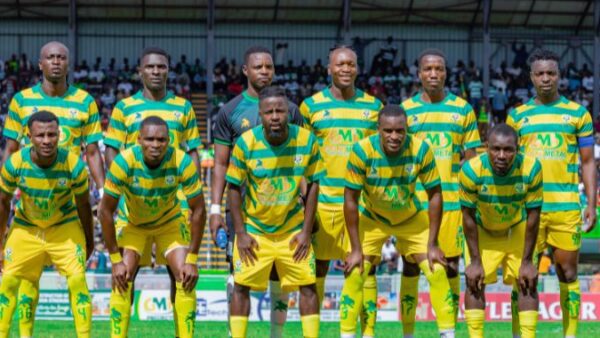
HIGHLANDERS have conquered hearts for a century, but as the Bulawayo football giants enter their next 100 years, chairman Kindman Ndlovu (pictured) has thrown down a challenge that could define the club’s future: turn Bosso from a community football institution into a sustainable football business.
It is a bold call for a club whose name carries generations of history, whose supporters remain fiercely loyal and whose identity is deeply rooted in Bulawayo.
But that loyalty alone will not guarantee success in modern football.
Ndlovu wants Bosso to move beyond celebrating its glorious past and start building a financially stronger, professionally run institution capable of sustaining itself, attracting talent and competing for honours.
And he believes the journey must begin with unity.
“With unity, there is a lot that we can achieve if members are united as we start our next 100 years,” said Ndlovu.
The Highlanders chairman says the task of rebuilding Bosso cannot be left to club members alone. Supporters, sponsors, partners and the wider community must all play a part in shaping the club’s future.
For a team whose strength has long been tied to its passionate following, the challenge is to turn that emotional attachment into deeper relationships that also help sustain the institution financially.
“We believe this club will be a stronger and more successful club if it comes up with ways of having deeper connections with our communities. By our communities, I am referring to our fans, our members, sponsors, partners and all key stakeholders,” he said.
But unity and a massive fan base will not be enough if Bosso cannot compete in the modern football marketplace.
Ndlovu has acknowledged that Highlanders still have work to do to become an employer of choice — a concern that raises questions about the club’s ability to attract and retain the players and professionals needed to drive its ambitions.
“If you look at our football, things have changed. At this point, we may not be the employer of choice, but this is something that we need to look into as a club and strengthen our position as an employer of choice,” said Ndlovu.
His remarks put the spotlight on the need for Highlanders to strengthen its professional structures and build an environment capable of attracting talent while giving players and staff confidence in the institution.
For Bosso, entering its second century is therefore about more than a birthday celebration. It is a test of whether one of Zimbabwe’s most recognisable football brands can turn its history, community support and reputation into a sustainable future.
The chairman was unequivocal about the destination he wants the club to reach.
“We should have a constant pursuit of self-sustainability. We want to see a Highlanders that is not just a community football club, but a Highlanders that is a community football business,” he said.
That is the big century challenge: preserving the soul of Highlanders while building a stronger business around it.
The vision will require more than fine words. It will need practical ways to deepen partnerships, strengthen the club’s financial base and create professional structures that can withstand the demands of modern football.
For the faithful who have stood by Bosso through triumphs and difficult seasons, the hope is that the next century will bring not only celebrations of the past, but also a club better equipped to compete and thrive.
As High-landers begin their second 100 years, Ndlovu has made his ambition clear.
The challenge now is turning the century-old badge of pride into a sustainable football powerhouse.