admin
admin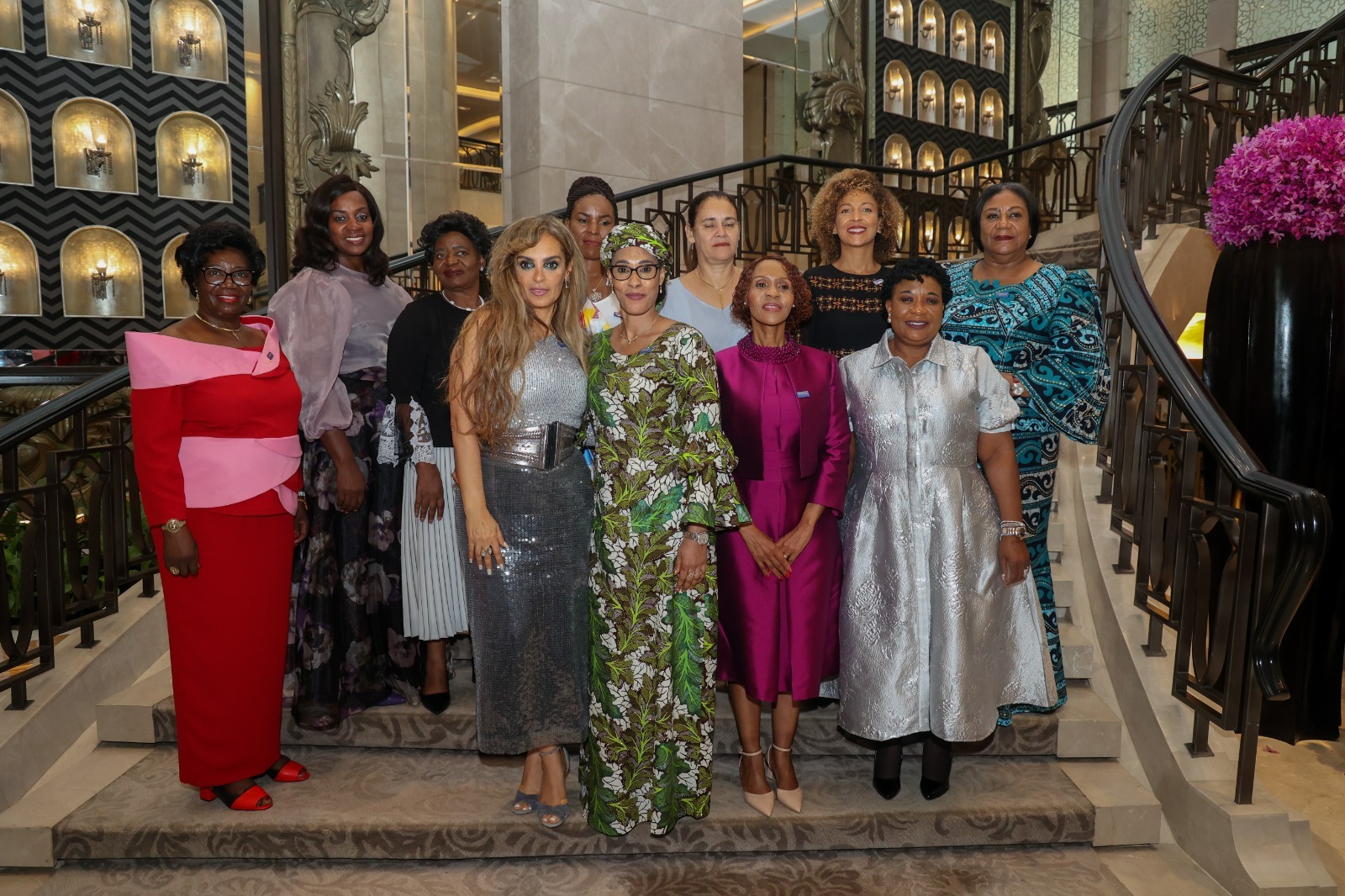
8Phillipa Mukome-Chinhoi
The Merck Foundation has committed to continue working with African First Ladies in implementing strategies aimed at improving healthcare delivery in the marginalised areas to improve access to health for all communities.
The 10th edition of the Africa-Asia Luminary 2023 held in India recently brought to the fore the need for African countries to continue working together to address critical issues through strengthening health systems and capacitating health care workers.
The conference brought together First Ladies from 11 countries who are Ambassadors for Merck Foundation as well as healthcare providers, policymakers, researchers, academia, and media representatives from 70 English, French, Spanish, and Portuguese-speaking countries.
Merck Foundation chief executive officer Dr. Rasha Kelej, said her organisation had for the past 11 years been committed to healthcare capacity advancement and patient care transformation and reshaping the landscape of the public healthcare sector in 50 countries in Africa, Asia and beyond.
She commended First Ladies in Africa for their support to the Foundation’s initiatives, particularly towards improving healthcare delivery in the areas of fertility.
“The foundation is committed to continue to contribute to healthcare capacity advancement and patient care transformation in Africa and Asia,” she said.
“Together with our partners like Africa’s First Ladies, Ministries of Health, Gender, Education and Communication, Academia, Medical societies, we are impacting the lives of people in the most disadvantaged communities in Africa, Asia and beyond.”
She said the foundation would continue to lead Africa and Asia to a healthier and better future.
Merck Foundation has to date provided more than 1700 scholarships to young doctors from 50 countries in 42 critical and underserved specialties including diabetes, endocrinology, oncology, cardiovascular, fertility care, embryology, sexual & reproductive medicine, respiratory medicine, critical care, paediatric emergency, gastroenterology, rheumatology, clinical psychiatry, urology, and ophthalmology.
Besides training health professionals, Dr Kalej said Merck was also working to raise awareness on a wide range of sensitive and critical social and health issues that included supporting the education of girls, ending child marriage, stopping GBV, breaking infertility stigma, ending female genital mutilation and women empowerment. Other areas being targeted are diabetes and hypertension awareness through various initiatives.
“Educating girls offers numerous benefits to a country’s development and progress. When girls receive quality education, it empowers them with knowledge, skills, and opportunities, enabling them to make informed choices about their lives. This, in turn, leads to improved health outcomes, reduced child mortality rates, and better family planning. Moreover, supporting in girl education also
Merck Foundation board chairman Profesor Frank Stangenberg-Haverkamp, expressed his happiness at the impact the organisation had made in respect to improving healthcare delivery in Africa and Asia.
“I am very proud that Merck Foundation has been an outstanding and significant contributor towards transforming the patient care landscape in many countries across Africa, Asia and beyond since 2012,” said Prof Haverkamp.
He said many of the Merck Foundation alumni had become the very first specialists in the fields of oncology and fertility care in their countries.


 Online Reporter