Marilyn Mutize
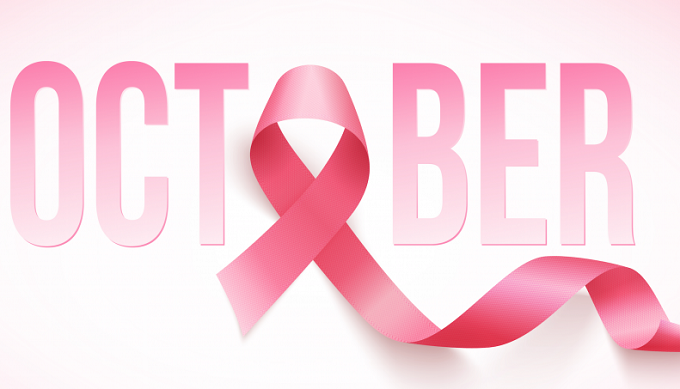
Every October, the world paints itself pink. Streets, billboards, and social media feeds fill with ribbons, messages, and reminders early detection saves lives.
Yet in Zimbabwe, Breast Cancer Awareness Month is not merely a global observance to be echoed it is a mirror held up to a quiet crisis that cuts across towns, villages, and families, one that demands far more than awareness alone.
It stresses on action, investment, and a recognition that health and economic progress cannot move forward unless every citizen has the chance to live a healthy life.
Breast cancer is the most commonly diagnosed cancer among women in Zimbabwe and a leading cause of cancer-related mortality.
What makes it particularly devastating is not the disease itself, but how late it is often detected. Statistics from the Cancer Association of Zimbabwe show that a significant majority of cases are diagnosed at advanced stages, stage three or four when treatment is far more complex, costly, and less effective. For too many women, by the time they seek help, the options are limited.
There are deeply rooted reasons for this. Cultural beliefs still cast a long shadow.
For generations, illness especially chronic or life-threatening illness has often been attributed to spiritual causes or family conflicts rather than medical conditions. Seeking medical help can be delayed while families consult traditional healers or wait for prayers to bring relief. Fear also plays a powerful role.
Many women are terrified of the diagnosis, terrified of the cost of treatment, and terrified of the stigma that can follow a cancer diagnosis in communities where the disease is still misunderstood. Some fear being abandoned by spouses or shunned by neighbours, so they suffer in silence until they can no longer do so.
The healthcare system, while dedicated and resilient, faces immense pressures. Facilities for diagnosis and treatment are concentrated largely in Harare and Bulawayo.
For a woman in Binga, Gokwe, or Murehwa, a mammogram or specialist consultation can mean a journey of several hundred kilometres a journey many simply cannot afford. Even when diagnosis is made, access to consistent, affordable treatment remains uneven. Chemotherapy, radiation, and surgery come at a cost that places them out of reach for most Zimbabweans.
Awareness is the first vital step, but awareness without access is like a map without a road. We can tell every woman to go for screening, but if there is no screening centre within reach, no money to pay for the test, and no treatment available when results come back then the message becomes one of frustration rather than hope.
This October, the conversation must evolve. We must speak not only about checking for lumps but also about building the systems that make early detection possible everywhere in our country.
We must advocate for mobile screening units that travel to rural and farming communities. We must support community health workers trained to identify early warning signs and guide women through the healthcare system.
We must also educate men because in many Zimbabwean households, it is husbands, fathers, and brothers who decide whether a woman seeks medical care. Breast cancer is not a women’s issue alone, it is a family issue, a community issue, and a national priority.
There is another dimension to this conversation that is often overlooked: a healthy nation is a productive nation. When women who form the backbone of Zimbabwe’s agriculture, informal trade, education, and public service sectors fall ill without support, families lose income, children lose caregivers, and communities lose skilled contributors. Every woman lost to breast cancer is a loss to our nation’s potential.
This principle of building local capacity and securing shared value extends beyond health care. Across our economy, we are seeing the importance of investing in local infrastructure to capture the full value of our resources.
The development of new mineral processing infrastructure including a smelter and a sulfuric acid plant reflects a critical strategic choice to move beyond exporting raw materials and instead process more of our minerals within Zimbabwe.
This approach keeps value local, creates sustainable jobs, and strengthens our industrial base. Just as we seek to capture greater value from our mineral resources, so too must we invest in our most precious resource our people. There is no greater value to capture than the lives, health, and full potential of Zimbabwe’s citizens.
We can build a different reality. Imagine a Zimbabwe where every district hospital has basic cancer awareness and referral protocols; Where every workplace offers information and time off for screening.
Where traditional and religious leaders speak openly about health and encourage early medical consultation; Where a diagnosis of breast cancer is not seen as a death sentence, but as a challenge that can be met with early care, effective treatment, and compassionate community support.
The Government, the private sector, non-governmental organisations, and communities all have a role to play.
Policy frameworks must be fully implemented and funded to expand affordable cancer care across the country.
Businesses can contribute through workplace wellness programmes and by supporting community screening initiatives.
Every individual can contribute by sharing correct information, listening compassionately, and encouraging loved ones to seek help early.
Breast Cancer Awareness Month should not end when November begins.
The pink ribbons may disappear from our streets, but the work must continue all year round.
Let this October be more than a campaign. Let it be a turning point when we resolve that in Zimbabwe, no woman should die because she could not access care, could not afford treatment, or was afraid to speak up.
Investing in prevention, early detection, and accessible treatment is not just an act of compassion it is essential to building the prosperous, healthy nation we all want Zimbabwe to become.