
Daniel Chigunwe in NINGXIA, China
Zimbabwe’s drive to establish Special Economic Zones (SEZs) to accelerate industrialisation, create jobs and strengthen provincial economies could draw valuable lessons from Ningxia Hui Autonomous Region in north-western China, where challenging natural conditions have been turned into opportunities for economic growth.
Ningxia demonstrates how strategic investment, agricultural innovation, tourism development and value addition can transform a region’s economic prospects. Rather than allowing its arid landscape and extreme climatic conditions to constrain development, the province has built industries around its distinctive natural resources, linking agriculture, manufacturing and tourism to create employment and generate revenue.
In 2025, Ningxia recorded a gross domestic product of about 569.65 billion yuan, growing by 5.3 percent in real terms. Its experience offers Zimbabwean provinces an example of how local resources can be harnessed to support broader national development.
For Zimbabwe, which is pursuing economic transformation under President Mnangagwa’s Vision 2030 agenda, the lessons extend beyond establishing designated industrial areas. They concern how provinces can build interconnected production systems that turn their natural and agricultural advantages into sustainable economic activity.
Turning the desert into an economic asset
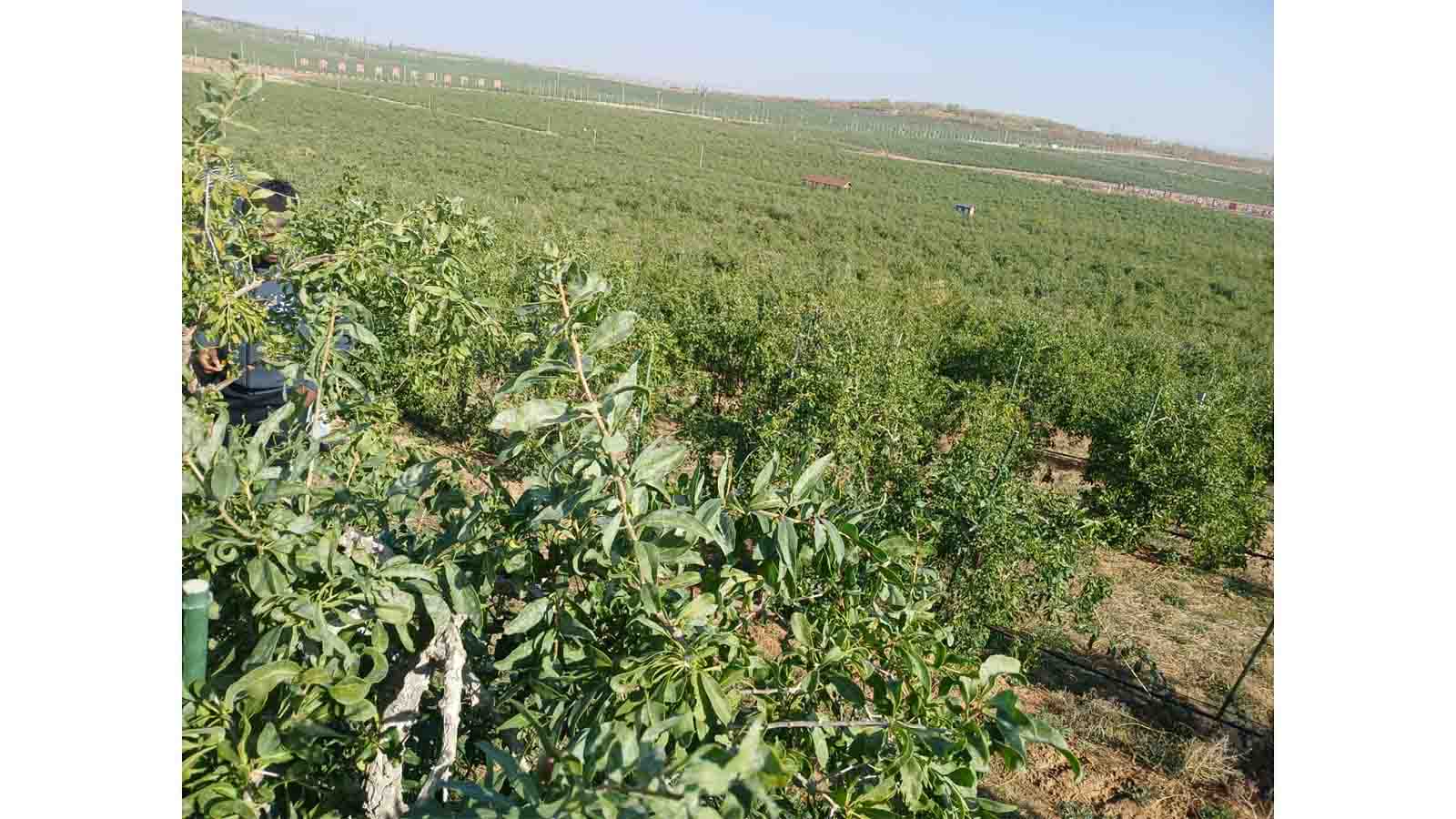
One of Ningxia’s most striking achievements is its ability to combine environmental management with productive agriculture and tourism.
Through tree planting, land restoration and the cultivation of suitable crops, parts of its arid landscape have been transformed into productive areas. Its experience with goji berries, popularly known as wolfberries, demonstrates how agricultural innovation can generate income while supporting efforts to combat desertification.
The province has developed a diverse range of goji berry products, including dried fruit, juice and fruit paste, creating opportunities beyond the sale of raw agricultural produce.
Zimbabwe can adapt this approach to its own conditions, particularly in provinces such as Mashonaland Central, where indigenous fruits such as masau offer opportunities for commercial production.
With appropriate research, investment in processing and deliberate marketing, masau could support a wider industry encompassing packaged fruit, juices, preserves and other products.
Such an approach would connect rural farmers to processors, retailers and tourism operators, allowing communities to earn income from resources that might otherwise remain underexploited.
Tourism as a driver of provincial development
Ningxia has also developed tourism around its deserts, the Yellow River, cultural heritage and distinctive agricultural landscapes.
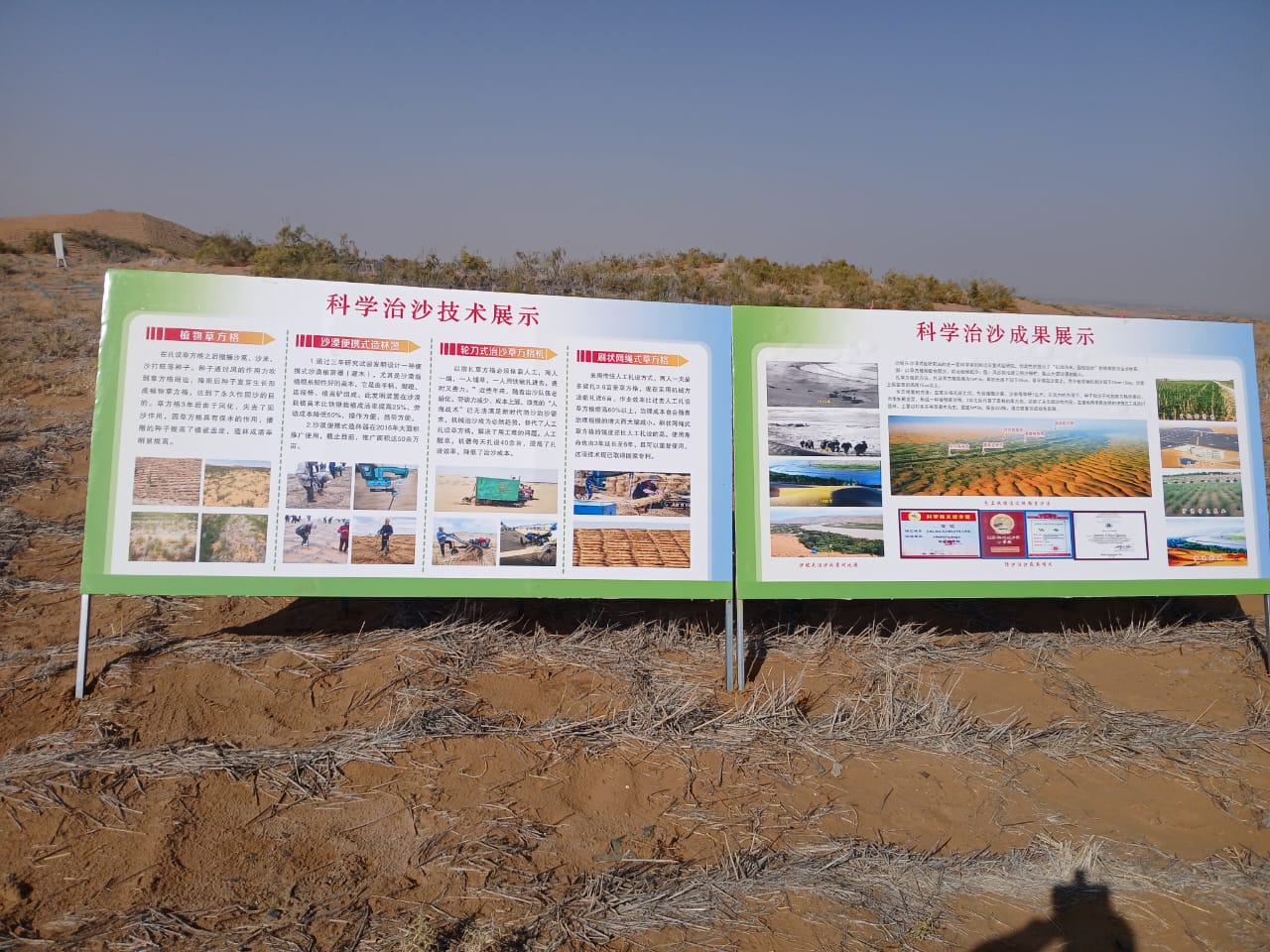
Desert recreation, accommodation facilities, agricultural experiences and scenic attractions provide visitors with reasons to stay longer and spend money locally. Rather than treating tourism as a standalone activity, the province integrates it with agriculture, hospitality and local enterprise.
In 2025, Ningxia had 786 leisure-agriculture businesses, welcomed 14.86 million visits to the sector and generated operating revenue of 1.31 billion yuan. These figures illustrate the economic potential of connecting farming with tourism.
For Zimbabwe, this offers an opportunity to rethink provincial tourism development.
Mashonaland Central, for instance, could build tourism products around its agricultural heritage, indigenous fruits, landscapes and cultural attractions. Masau harvesting seasons could become part of organised visitor experiences, supported by local accommodation, food outlets, recreational facilities and fruit-processing demonstrations.
The principle is straightforward: tourism should generate opportunities for farmers, small businesses, transport operators, artisans and hospitality workers, rather than benefiting only a few established operators.
This resonates with President Mnangagwa’s call to leave no one and no place behind, ensuring that economic opportunities reach communities beyond major urban centres.
Value addition: From farm to supermarket
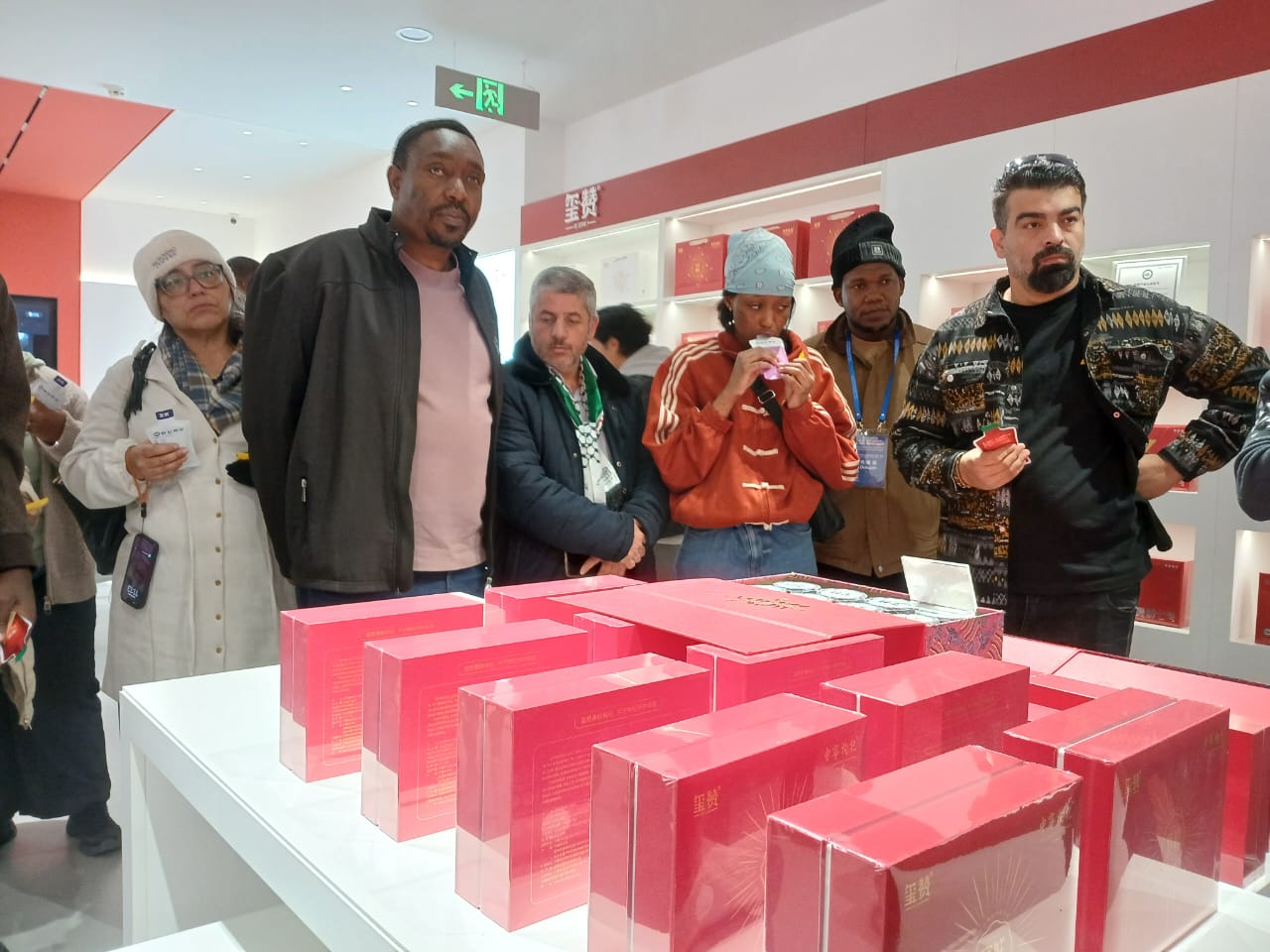
Perhaps the most important lesson for Zimbabwe’s SEZ programme is the need to retain more economic value within the province.
Ningxia has developed distinctive agricultural industries around products including goji berries and wine, linking production with processing, branding and access to domestic and international markets. Its broader industrial strategy also encompasses manufacturing, modern services and emerging technologies.
Zimbabwe must pursue a similar integrated approach by ensuring that SEZs become centres of production and value addition, rather than simply locations where businesses operate under preferential investment conditions.
The Zimbabwe Investment and Development Agency Act provides for consideration of industrialisation, employment creation, technology transfer, export potential and the beneficiation of local raw materials when evaluating SEZ investment proposals.
This framework provides a foundation for developing provincial industries that connect farmers to factories and finished products to consumers.
Mashonaland Central’s tobacco sector offers a practical example. Beyond growing and selling tobacco leaf, opportunities exist in expanding local processing, manufacturing, packaging and associated services, subject to investment viability and applicable regulations.
Developing these activities locally could create skilled employment, strengthen industrial capacity and increase the province’s contribution to national output.
Building economies around local strengths
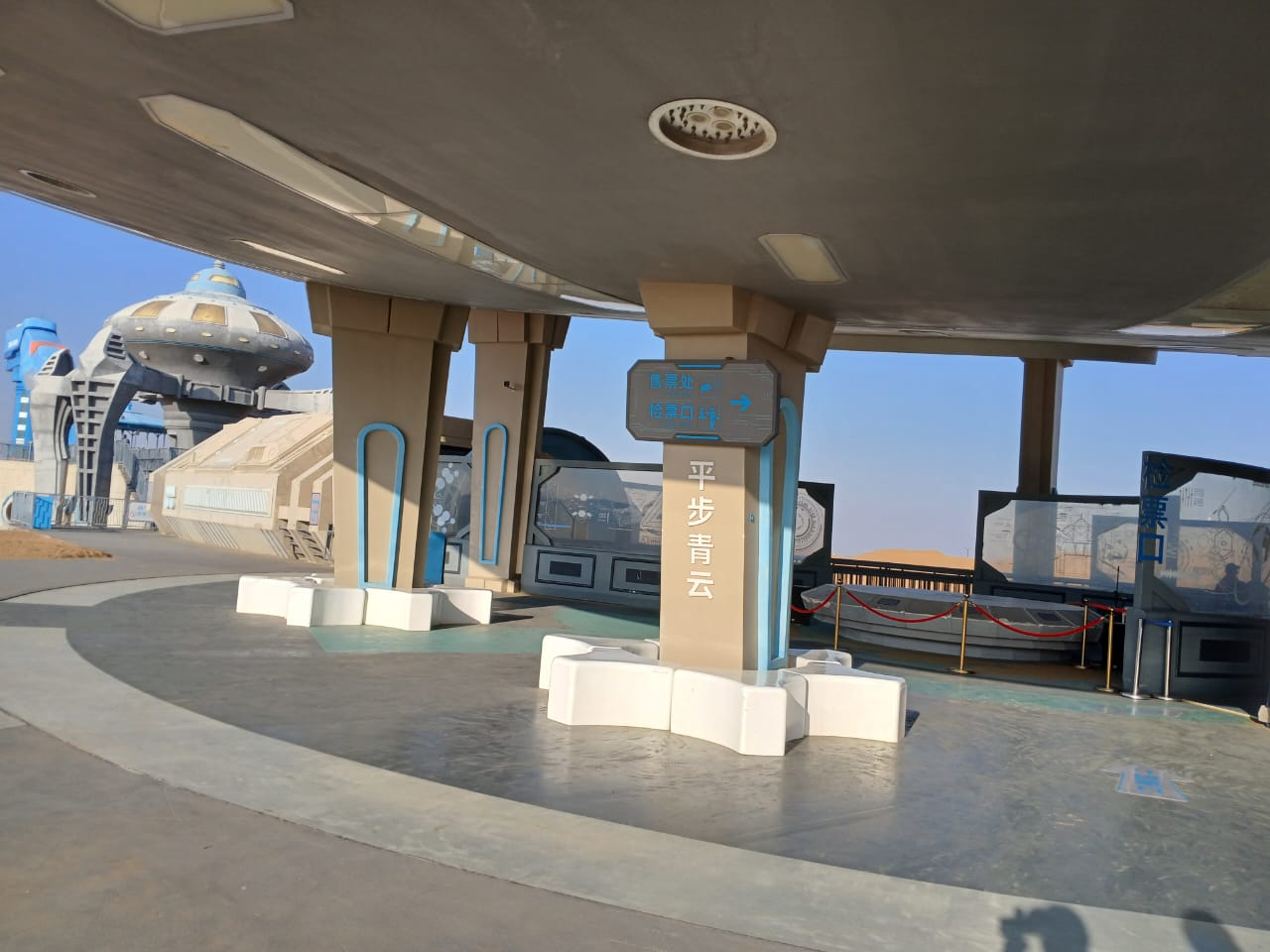
Ningxia’s experience shows that successful provincial development requires more than attracting investors. It demands coordinated infrastructure, skills development, market access, environmental management and deliberate integration of industries.
Zimbabwe’s SEZs should therefore be designed around the competitive advantages of each province, with clear links between agricultural production, manufacturing, tourism and distribution.
The ultimate lesson is that provinces need not depend exclusively on conventional
industries or the exploitation of raw materials. With strategic planning and investment, even challenging environments can support productive enterprises and new sources of income.
For Zimbabwe, the opportunity lies in adapting Ningxia’s experience to local realities, ensuring that investment translates into factories, marketable products, tourism revenue and decent jobs.
That is how special economic zones can become engines of provincial transformation and meaningful contributors to the national ambition of an upper-middle-income economy by 2030.