Robin Muchetu, [email protected]
BREAST cancer screening and treatment in the southern region is increasing significantly following the training of local breast care nurses in the United Kingdom in 2023. This will be further improved by the introduction of a new curriculum that is in the pipeline that will draw more attention to breast cancer management in Zimbabwe.
The nurses took part in the fellowship for six weeks, where they observed what happens in a breast unit, a high-volume breast unit where they were learning how patients are assessed and examined.
While there, they had the opportunity to see how an ultrasound scan is used for quick decision-making within the unit. They returned with that skill to Zimbabwe and are using it in the hospital units they are attached to.
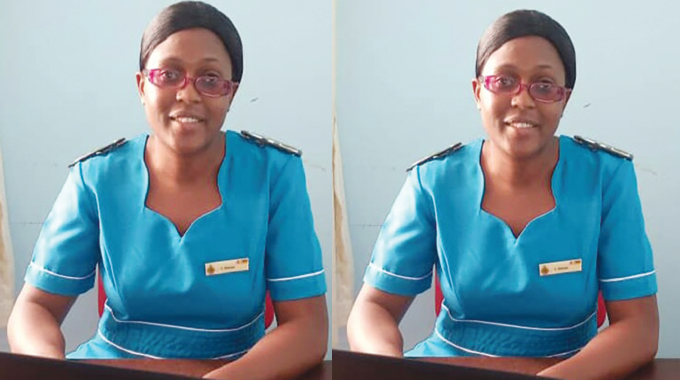
Ms Charity Mutetwa, a nurse tutor at United Bulawayo Hospitals (UBH) who was one of the six nurses sent to the UK advanced breast care training for six weeks, said she returned richer with knowledge on the disease and care for patients.
“I was one of the fortunate nurses who was chosen to go for the observership in the UK in Liverpool by the Association of Breast Surgery (ABS), they are the ones that sponsored this programme.
When I went there, I had the privilege to observe the following areas, breast diagnosis, breast ultrasound scan, breast disease management in different settings, and also the role of a multidisciplinary team in the management of breast cancer,” she said.
“This experience actually enhanced my skills in managing women with breast cancer, breast diagnosis, I learned how to do the triple assessment, whereby you do a clinical examination and the woman is then sent for breast imaging, the way they can have an ultrasound scan done or a mammography done to check the lump to see whether it is cancerous or it’s benign.”
Nurses that attended the training are from various hospitals in the region.
She said they were also taught that if there are suspicious findings, such as a lump in the patient’s breast, that lump can also undergo biopsy, which confirms the diagnosis.
“Knowledge of all these things can actually help someone. If you are knowledgeable about how to diagnose breast conditions, you will be able to give health education if a woman comes to you with a breast condition, because here, most people, when they feel something in their breast or when they have breast pain, the first thing they think of is breast cancer. So, if a nurse is knowledgeable about breast diagnosis, they will be able to give health education to this woman about the clinical findings that they would have done after they have done a clinical breast examination,” said Ms Mtetwa.
This, she said, will enable the nurses to refer a patient to appropriate disciplines. For example, if they have suspicious findings in one clinical exam, they can send this woman for imaging. So, having this knowledge on breast diagnosis can go a long way.
The nurse tutor said the education on the management of breast conditions they obtained while in the UK is also important for the nurses as patients are in contact with nurses most of the time.
“So, if they come after they have been diagnosed with a breast condition, they can ask the nurse about the management. If the nurse is not knowledgeable now, it means that this patient might go home without actually understanding what they should undergo. So, equipping the nurse with this knowledge is very important. They can explain to the patient, re-emphasise what the doctors would have said, since nurses spend most of the time with the patients,” said Ms Mtetwa.
The training in the UK also emphasised the importance of a multidisciplinary team to manage breast cancer patients.
“Another area that I also observed is multidisciplinary teams, how they can come together. Different healthcare professions come together; they assist each other to come up with the best possible management of the patient. Nurses also are part of that multidisciplinary team.
“They need to have the knowledge of breast cancer or breast conditions in their management so that they are also able to give input in this multidisciplinary team. They are also able to give input regarding the patient, since they are the ones that spend most of the time with the patient. They also give critical information, valuable information to the other healthcare professionals so that the best possible management of the patient can be done,” she said.
Having returned to the country armed with these skills, the nurse tutor said the next step is imparting the knowledge to other nurses so that they reduce the morbidity and mortality associated with breast cancer.
To ensure that this is possible, UBH is in the process of introducing a Breast Care Nursing Diploma as a post-basic training for nurses.
“Remember, I said the nurse is the first point of contact for the patient and if the nurse lacks the skills and the knowledge in managing breast conditions, it means this woman will not be taken care of effectively. Equipping nurses, looking at nurses in rural health centres, equipping them with knowledge will actually help a great deal of women with breast cancer issues, people lack knowledge regarding these issues,” she said.
Ms Mtetwa said once nurses are knowledgeable, they will raise awareness around breast cancer diagnosis and management in the community.
Dr Munyaradzi Magara, who runs the breast cancer clinic at UBH, said the diploma, once granted, will be offered at UBH.
“UBH will be the centre until we have a significant number of people who can become trainers. Our initial thinking has been that if this is granted, there will be one trainee from each province in the country. Once we have a significant number of people trained, then they can do the training from their provinces. So we are waiting for the outcome of the application to have this diploma offered here.
“We hope to find support or funding for these programmes so that we can actually train nurses and have specialist nurses in breast care nursing. This will go a long way in the reduction of morbidity and mortality associated with breast cancer here in Zimbabwe.”