Chronicle Editor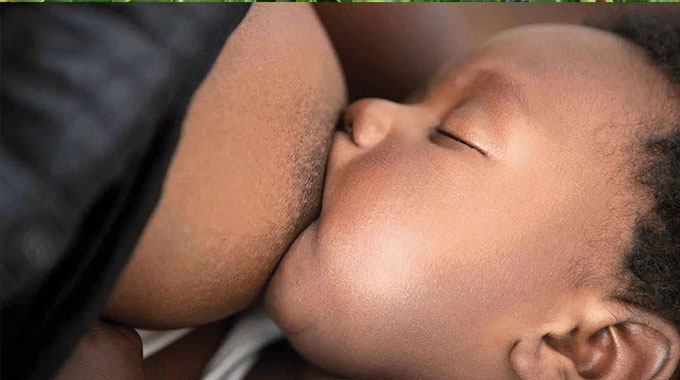
Michelle Nyanzira, Chronicle Reporter
MOTHERS, including those infected with the killer Covid-19 virus, can protect their babies from malnutrition and other diseases through exclusive breastfeeding for the first six months despite prevailing global food shortages as the pandemic has depressed economies.
As the world celebrates breastfeeding week, Unicef on its Twitter page said: “Breastfeeding is good for mothers and babies as it helps to boost a baby’s immune system and brain development, whereas it also been found to protect women from ovarian and breast cancer.”
World Breastfeeding Week is commemorated every first week of August in more than 120 countries around the world.
The week provides an opportunity to raise awareness on the importance of exclusive breastfeeding in the first six months of a child’s life.
It’s also a good time to enlighten nursing mothers on the benefits of breastfeeding for their own health.
The global theme for the week is “Protect Breastfeeding: A Shared Responsibility”.
At the start of this year, governments, donors, civil society and the private sector united to launch the Nutrition for Growth Year of Action.
The Year of Action is a historic opportunity to transform the way the world tackles the global commitment to eliminate child malnutrition and breastfeeding is central to realising this commitment.
In the context of Covid-19, WHO recommends that mothers with suspected or confirmed Covid-19 should be encouraged to initiate and continue breastfeeding, while implementing appropriate hygiene measures, such as wearing a medical mask, if available, to reduce the chances of droplets with Covid-19 being spread to her infant. The benefits of breastfeeding substantially outweigh the potential risks of Covid-19 transmission.
Renowned gynaecologist and acting chief executive officer of Mpilo Central Hospital Professor Solwayo Ngwenya yesterday said breastfeeding should continue during the pandemic as it will help boost infant immunity against the Covid-19.
He said hunger was causing increased cases of malnutrition among children.
“Reduced incomes due to lockdowns have resulted in some families living from hand to mouth so breast milk production is reduced causing malnutrition and an increase in infant mortality,” he said.
In a joint statement, Unicef executive director Mrs Henrietta Fore and WHO Director-General Dr Tedros Adhanom Ghebreyesus on the occasion of World Breastfeeding Week, said breastfeeding acts as babies’ first vaccine, protecting them against many common childhood illnesses.
“Initiation of breastfeeding within the first hour of birth, followed by exclusive breastfeeding for six months and continued breastfeeding for up to two years or beyond offer a powerful line of defence against all forms of child malnutrition, including wasting and obesity.
“While there has been progress in breastfeeding rates in the last four decades — with a 50 percent increase in the prevalence of exclusive breastfeeding globally — the Covid-19 pandemic highlights the fragility of those gains.
“In many countries, the pandemic has caused significant disruptions in breastfeeding support services, while increasing the risk of food insecurity and malnutrition. Several countries have reported that producers of baby foods have compounded these risks by invoking unfounded fears that breastfeeding can transmit Covid-19 and marketing their products as a safer alternative to breastfeeding,” read the statement.
The statement read that there is need to prioritise breastfeeding-friendly environments for mothers and babies. These include ensuring the International Code of Marketing of Breastmilk Substitutes established to protect mothers from aggressive marketing practices by the baby food industry is fully implemented by governments, health workers and industry.
Ensuring health care workers have the resources and information they need to effectively support mothers to breastfeed, including through global efforts such as the Baby-friendly Hospital Initiative, and guidelines on breastfeeding counselling.
Further, the statement reads that employers must allow women the time and space they need to breastfeed including paid parental leave with longer maternity leave, safe places for breastfeeding in the workplace, access to affordable and good-quality childcare and universal child benefits and adequate wages.
Unicef on its website said the transmission of Covid-19 through breastfeeding or by giving breastmilk has not been detected. Breastfeeding and skin-to-skin contact and early, exclusive breastfeeding helps babies to thrive and provides lifelong health benefits.
“Precautions when breastfeeding includes wearing a medical mask if available, washing your hands with soap and water or with an alcohol-based hand rub before and after touching your baby, and routinely cleaning and disinfecting surfaces you have touched. Your chest only needs to be washed if you have just coughed on it. Otherwise, your breast does not need to be washed before every feeding,” said Unicef.
According to the 2019 MICS report, in Zimbabwe less than two thirds of children are breastfed within the first hour after birth and less than half of the children between zero to six months of age are being exclusively breastfed. — @michieroxy


 Online Reporter