Online Reporter
Stephen Mpofu, Perspective
SINCE 1980, when through the Armed Revolution — in which some of them sacrificed their precious lives — the gallant sons and daughters of the soil brought to our motherland a Government of the people by the people for the people and one that has not set in the cooling shade while imperialist racists and their black lackies tried to reverse the Uhuru bromide.
On Saturday, a few weeks ago, we immortalised in the columns of this newspaper a story about our Government’s developmental mantra in which it was reported that a skills upgrade revolution would soon be launched in the provinces of Mashonaland East, Manicaland, Masvingo, the Midlands, and other provinces in a bid to drive economic development much further.
There are many half-skilled people in rural areas where most Zimbabweans live and which places racist imperial colonialists shunned, describing them as “sticks” as if the people resident there were wild animals.
Experts will be sent to the areas in question to help sharpen the half-skills that some people there possess as a way of accelerating development, where the majority of Zimbabweans live.
Today, some of the Zimbabweans in the diaspora are people with half-skills or no skills at all who drifted from rural areas to urban centres in search of jobs but could find none and so tracked away to the diaspora where they secured mundane jobs and pay fit for slaves.
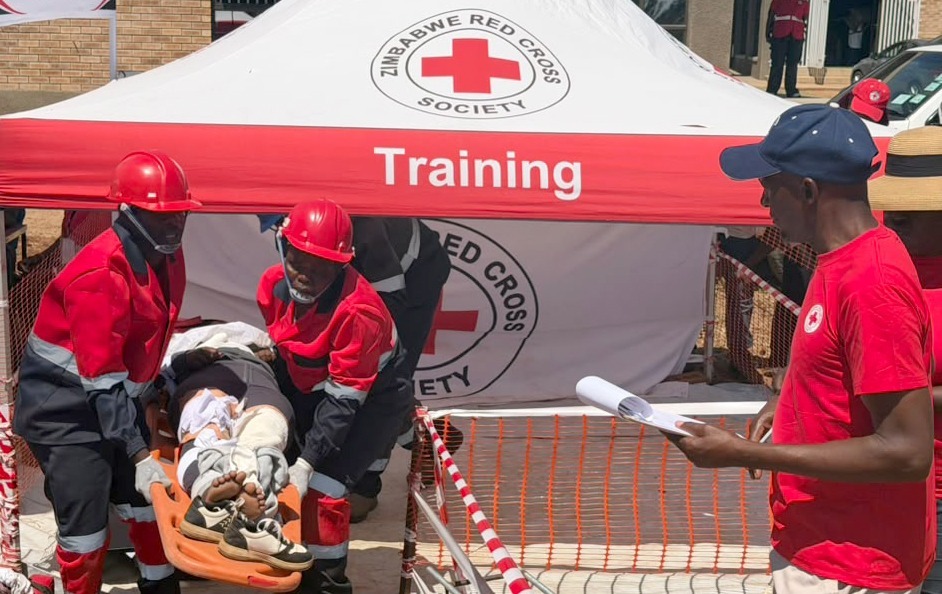
On Tuesday this week, the Deputy Minister of Health and Child Care, Cde Sleiman Kwidini, said the Government is working on opening more nurse training centres across the country to decentralise nursing education as a way of increasing access to healthcare training to address the shortage of skilled healthcare professionals in rural areas.
At present, many young people, especially girls with a bent for healthcare, are struggling to secure places for training as nurses because of a shortage of nurse training schools in the country and the Government’s programme for more training schools will come in handy, increasing healthcare for more Zimbabweans.
The planned expansion of nurse training is part of a wider effort to bring essential services closer to where people live, so that rural communities do not remain trapped by distance and neglect, and so that opportunities for gainful employment multiply beyond the traditional towns and cities. When training institutions are located within reach of villages and small towns, young women and men who would otherwise be forced to abandon their calling can remain, study, and contribute directly to their communities, and the long-term effect will be a steadier, more locally rooted health workforce that knows the needs and customs of the people it serves.
This move also signals a shift in policy thinking from centralised provision to practical decentralisation, where the state recognises that development must be anchored in the countryside if national progress is to be real and inclusive, and where graduates trained in provincial centres return home to practise, to teach, and to spur small-scale clinics into stronger institutions rather than watching talent migrate away.
Time appears opportune for Zimbabweans to say thank you to missionaries who introduced nurse training schools during colonial days to help provide healthcare in rural areas, frowned upon by racist colonial rulers who likened blacks to beasts in the wild.