Langelihle Dube [email protected]
IMAGINE having a restaurant-quality dining experience without leaving the comfort of your home, with a professional chef preparing meals in your kitchen while guests watch, interact and enjoy the experience.
This is the concept behind ChefOnDuty, the private culinary service founded by Mizpah Mudikanwi Bore, who is seeking to change how Zimbabweans experience food and hospitality.
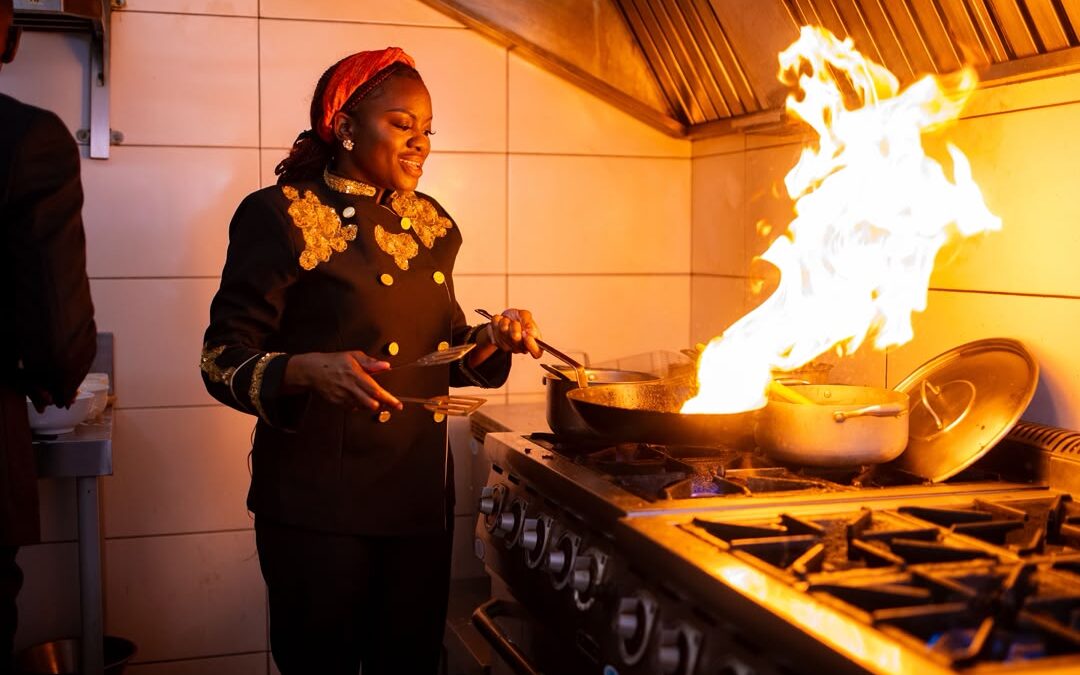
Rather than simply preparing meals for clients, Bore offers a personalised dining experience in which she takes charge of the food, presentation and atmosphere, allowing hosts to enjoy their occasions without worrying about the demands of cooking and entertaining.
Her clients can choose to sit back and watch as she transforms their kitchen into a live culinary experience or get involved in the preparation, learning new techniques and interacting with the food along the way.
“I have had clients who simply tell me to take charge and create something memorable,” she said.
“Sometimes guests want to sit back and watch a culinary show as the chef prepares their food. Other times, they want to participate, learn something new and interact with the food.”
For Bore, the appeal of private dining lies in the opportunity to offer something beyond the conventional restaurant or catering experience.
“I wasn’t simply selling food. I was selling convenience, personalisation, atmosphere and the opportunity to enjoy a special experience without leaving home,” she said.
The concept, which she began exploring about nine years ago, was still relatively unfamiliar in Zimbabwe at the time. Most people were accustomed to visiting restaurants or hiring caterers for functions, leaving little room for the kind of individualised service she envisioned.
Her inspiration came during a visit to South Africa, where she observed chefs conducting cooking classes, offering private dining experiences and using their culinary skills to create different business opportunities.
The experience made her question why similar services could not find a place in Zimbabwe.
“I began asking myself why we couldn’t explore some of those opportunities in Zimbabwe,” Bore said.
Introducing the concept, however, required more than preparing good food. She also had to convince potential clients that having a chef come into their homes and create a tailored dining experience was worth paying for.
“Sometimes, you have to introduce people to something before they fully understand its value. You have to believe in the vision long enough for the market to catch up,” she said.
Bore believes attitudes towards private dining are gradually changing, with more chefs exploring the concept and customers showing greater interest in personalised culinary experiences.
Her approach also allows her to bring creativity to the dining table, drawing from Zimbabwean and Malawian food traditions while introducing contemporary presentation techniques.
With a Zimbabwean father and a Malawian maternal family, Bore grew up exposed to both culinary cultures. Her mother and grandmothers shaped her appreciation of food, particularly through traditional cooking methods that emphasised carefully prepared meat, richly developed stews and patience in the kitchen.
“I learned a great deal by observing my Malawian grandmother and my mother in the kitchen,” she said. “My mother also prepared food the Zimbabwean way, so I grew up appreciating both traditions.”
Those early lessons continue to influence her menus and culinary experiments.
She has, for instance, experimented with presenting sadza in different forms, including balls inspired by Italian arancini, showing how familiar Zimbabwean staples can be given a contemporary twist without losing their cultural identity.
“For me, innovation doesn’t mean abandoning where we come from. It means finding new ways to celebrate what we already have,” she said.
Bore believes this balance between innovation and tradition is particularly important as Zimbabwean cuisine becomes increasingly exposed to international influences.
She wants her work to demonstrate that local ingredients and traditional dishes can hold their own in modern dining settings while retaining the stories and cultural knowledge behind them.
“Food carries knowledge, history, identity and memory,” she said, adding that much of what she learnt from her mother and grandmother was never written down in recipe books.
“Growing up, I learned things from my grandmother and mother that were not necessarily written in recipe books.”
She believes documenting traditional recipes and techniques is essential to ensuring that younger generations do not lose touch with their culinary heritage.
Beyond the private dining experience, Bore sees ChefOnDuty as part of a wider effort to grow Zimbabwe’s culinary industry.
She believes food can contribute more significantly to the economy by creating employment, supporting farmers, attracting visitors and providing a platform for local culture.
This, she said, requires stronger relationships between chefs, farmers, suppliers and hospitality businesses, as well as greater use of locally sourced ingredients where availability and quality permit.
Bore has also taken her skills beyond private kitchens through culinary demonstrations, cooking classes and events that encourage people to become more involved in food preparation.
She has showcased her work at Doek n Slay and the Manchester Seed Festival, while receiving media recognition through Global Iconic Magazine, which featured her among 100 people, and The Legacy magazine, where she appeared on the cover.
For her, these opportunities provide another way of introducing audiences to the possibilities of food and demonstrating that a chef’s work can extend well beyond the traditional restaurant kitchen.
“People aren’t only coming to eat; they are coming to create memories,” she said.
That philosophy remains central to ChefOnDuty’s identity. Whether preparing an intimate meal at a client’s home, creating an interactive culinary show or introducing guests to new interpretations of familiar dishes, Bore wants every engagement to feel personal and memorable.
Her journey into the profession, however, was far from straightforward.
As a child, she never imagined becoming a chef. Her relationship with cooking developed through spending time with her maternal grandmother, whom she describes as her best friend. While her grandmother prepared ingredients, Bore would help with simple tasks such as stirring.
At the time, these were ordinary family moments rather than the beginnings of a career.
“I was honestly one of the laziest people in the family, even at school,” she said, recalling her childhood. “I loved fries and chicken, but cooking was never something I imagined doing professionally.”
After completing her O-levels, Bore was uncertain about her future. Commerce was her strongest subject, and her parents expected her to become an accounts clerk in the family business. However, she did not see herself building a career around numbers.
“ChefOnDuty came into my life unexpectedly and today I can see how those early experiences helped shape the woman I have become,” she said.