Online Reporter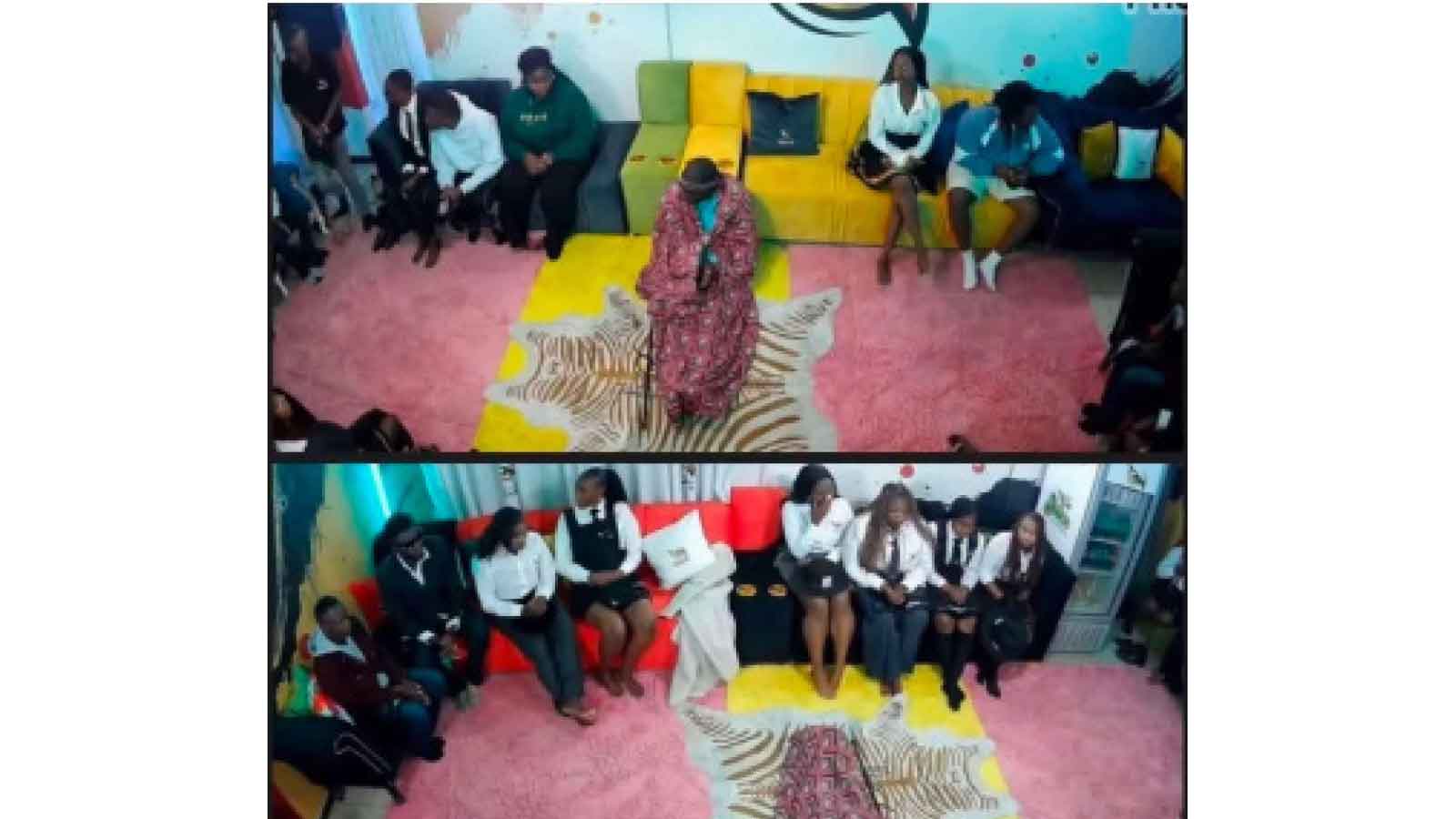
Tafadzwa Zimoyo-Zimpapers Entertainment Editor
ORGANISERS of Zimbabwe’s new reality television experiment, ‘Brother in House,’ have defended the production following a storm of mixed reactions after its debut.
The reaction has swung between excitement, disappointment and outright criticism.
While the production team insists the show is a bold step into the future of local entertainment, audiences online have painted a far more complex picture – one of a promising concept weighed down by technical flaws, uneven execution and questions about readiness.
From its opening broadcast, ‘Brother in House,’ quickly became a talking point on social media.
Some viewers described the launch as “rough around the edges” and “clearly unprepared for prime time,” citing sound issues, inconsistent pacing and production lapses that disrupted the viewing experience. “It felt like we were watching a rehearsal, not a live show,” said one viewer on X.
“Zimbabwe has talent but this was not it. They should have tested everything properly before going on air.”
Another frustrated fan added:
“We want local content, yes, but not something that looks unfinished. Standards must matter even if it’s our own production.”
Yet amid the criticism, the show has also attracted a loyal base of fans who say the backlash is unfair and ignores the reality of building a new entertainment format from scratch in Zimbabwe.
“It’s the first season, people should calm down,” said another viewer.
“South Africa and Nigeria didn’t get it right on day one either. We should support our own and allow them to grow.”
Others praised the concept itself, saying it represents a long-overdue attempt to create homegrown reality television.
“Finally, something Zimbabwean we can talk about every day,” said a fan. “Even if it’s not perfect, it’s ours. We need to start somewhere.”
The organisers have acknowledged the criticism but maintain that early challenges were expected as part of launching a first-of-its-kind production.
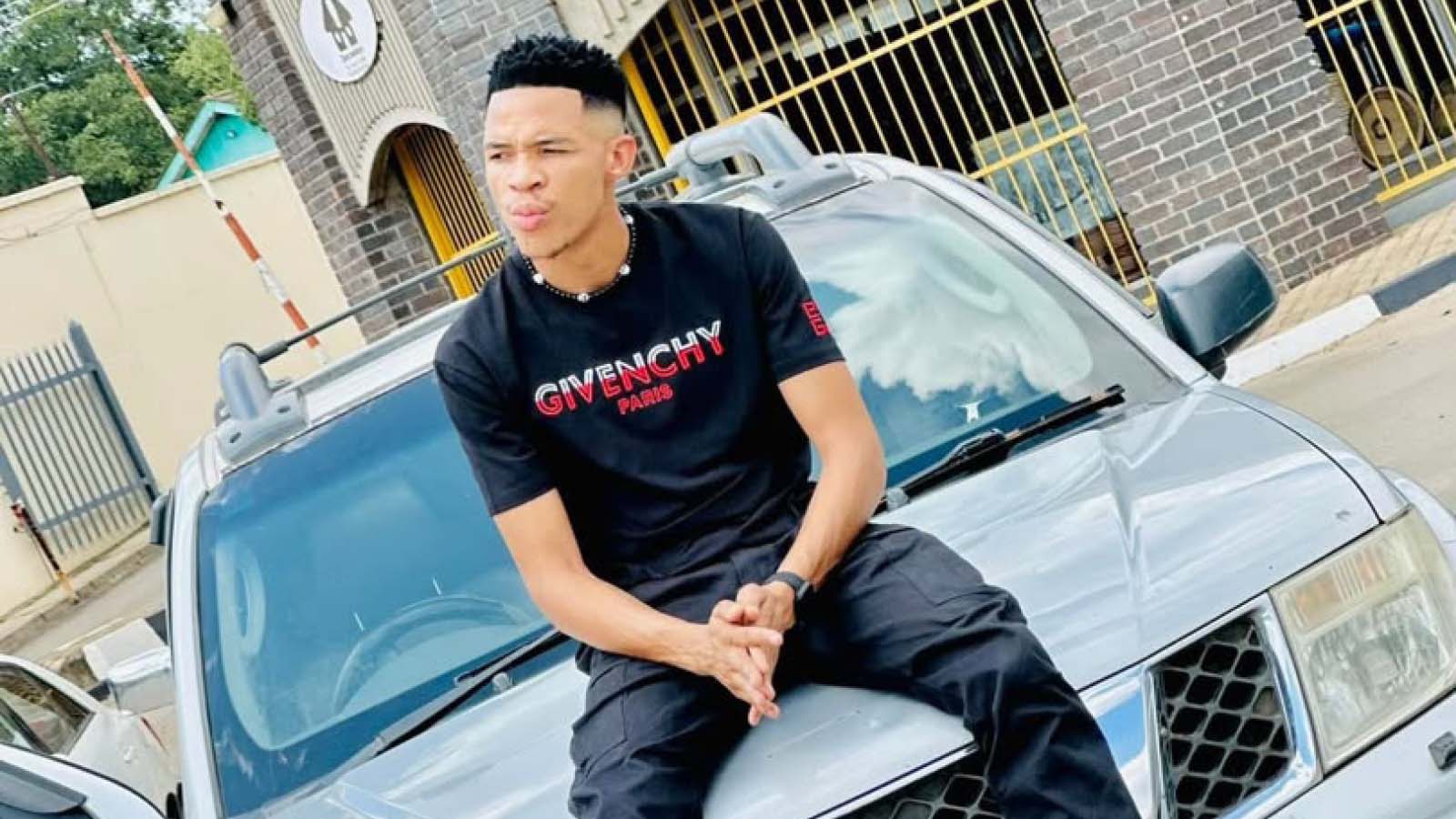
Project patron, Dr Marisa, said the initial technical issues were part of the learning curve.

Dr Marisa
“It is true that on the first day we were testing a lot of gadgets, including our own sound systems.
“We officially relaunched yesterday and we hope to improve by the day. Remember, it is our first time,” he said.
However, critics argue that such explanations highlight a deeper concern: whether the production was rushed into the public space before meeting basic broadcast standards.
Dr Marisa defended the show’s controversial branding, particularly its title ‘Brother in House’, which some viewers described as unrefined or lacking a strong identity.
“We chose ‘Brother in House’ because we should not be seen as rigid in intelligence and motivation.
“We always avoid being called copycats, yet we have the intellectual capacity to come up with our own names,” he said.
Despite the explanation, branding experts and viewers online remain divided, with some arguing that originality should not come at the expense of clarity and professionalism.
The debate around ‘Brother in House’ has now moved beyond entertainment and into a broader discussion about Zimbabwe’s creative industry – its ambitions, its limitations, and the growing expectations of audiences exposed to high-quality regional and global content.
Industry observers say the reaction is not surprising. Zimbabwean viewers have increasingly become critical consumers of television content, shaped by global streaming platforms and polished African reality franchises.
In that context, even strong concepts can struggle if execution falls short.
“The audience is not rejecting local content,” said one media commentator online. “They are rejecting poor production standards. There is a big difference.”
Still, some fans argue that early criticism should not overshadow the significance of the project itself.
For them, ‘Brother in House’ represents a rare attempt to build a locally-owned reality format rather than importing established foreign franchises.
With 35 contestants living under one roof for three months, the show still has time to evolve, improve and potentially win over sceptical viewers through storytelling, character development and stronger production consistency.
For now, however, ‘Brother in House’ sits in a difficult position – caught between national pride and public scrutiny, between ambition and execution, and between those demanding perfection and those advocating patience.
As one viewer summed it up: “We want this to work. But it has to look like a real show, not a trial run.” Whether the production can convert its controversial start into long-term success will depend on how quickly it addresses its technical weaknesses and whether audiences are willing to grow with it or move on.