Inside ZIFA
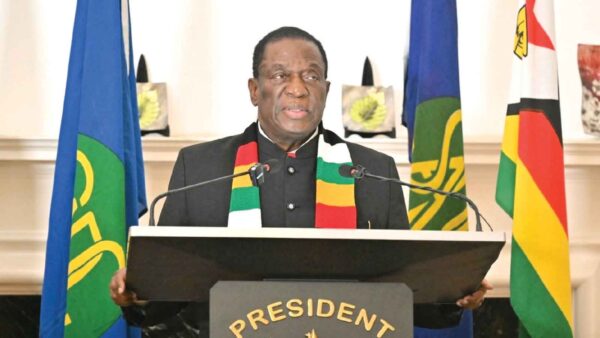
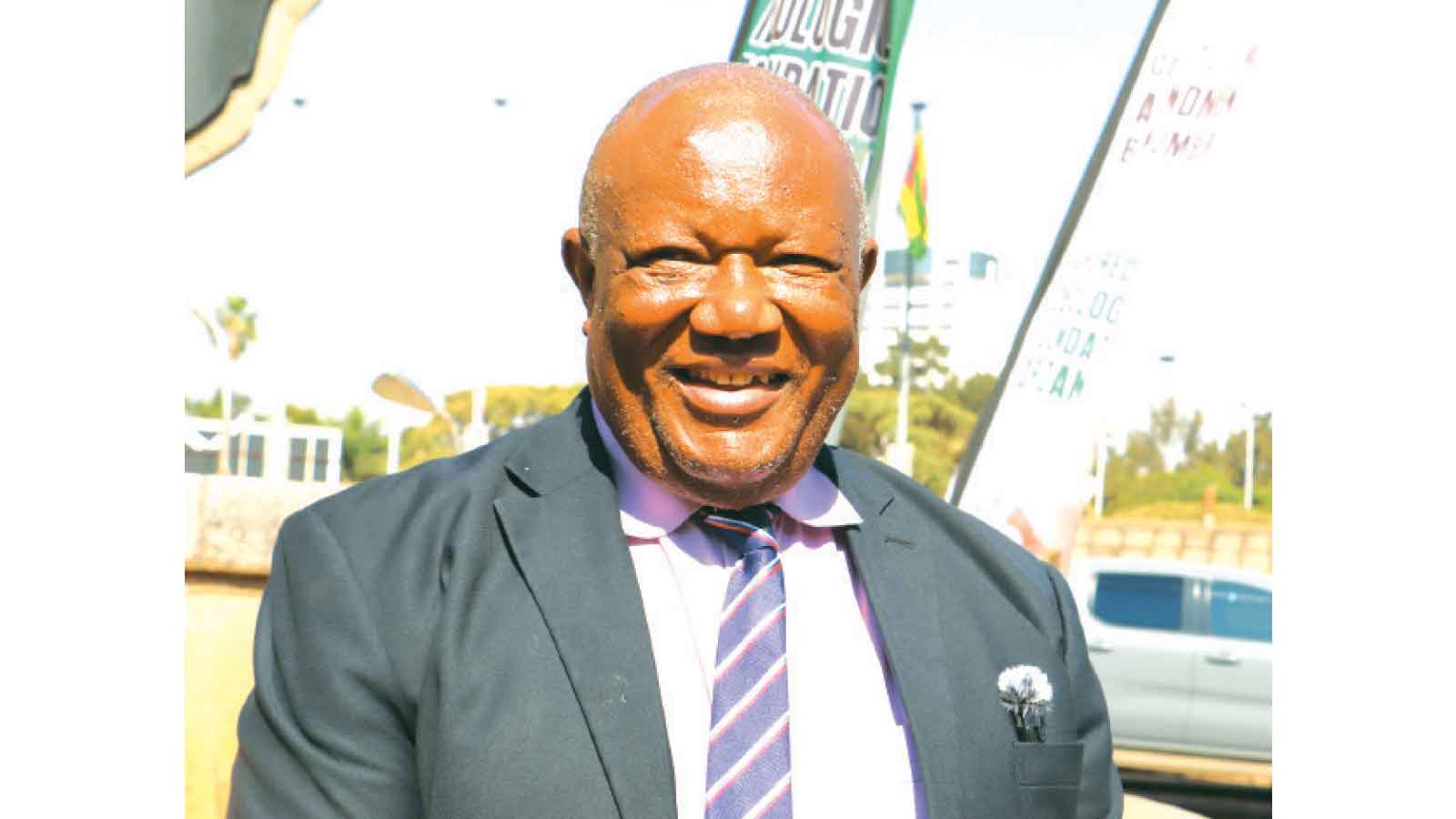
Nqobile Magwizi
A ZIMBABWE jersey means something long before a young footballer gets to wear one.
On school pitches and in community competitions across the country, children dream of the day they might represent their nation.
Giving that ambition a fair chance means recognising talent and providing the coaching, competition and support that help it grow.
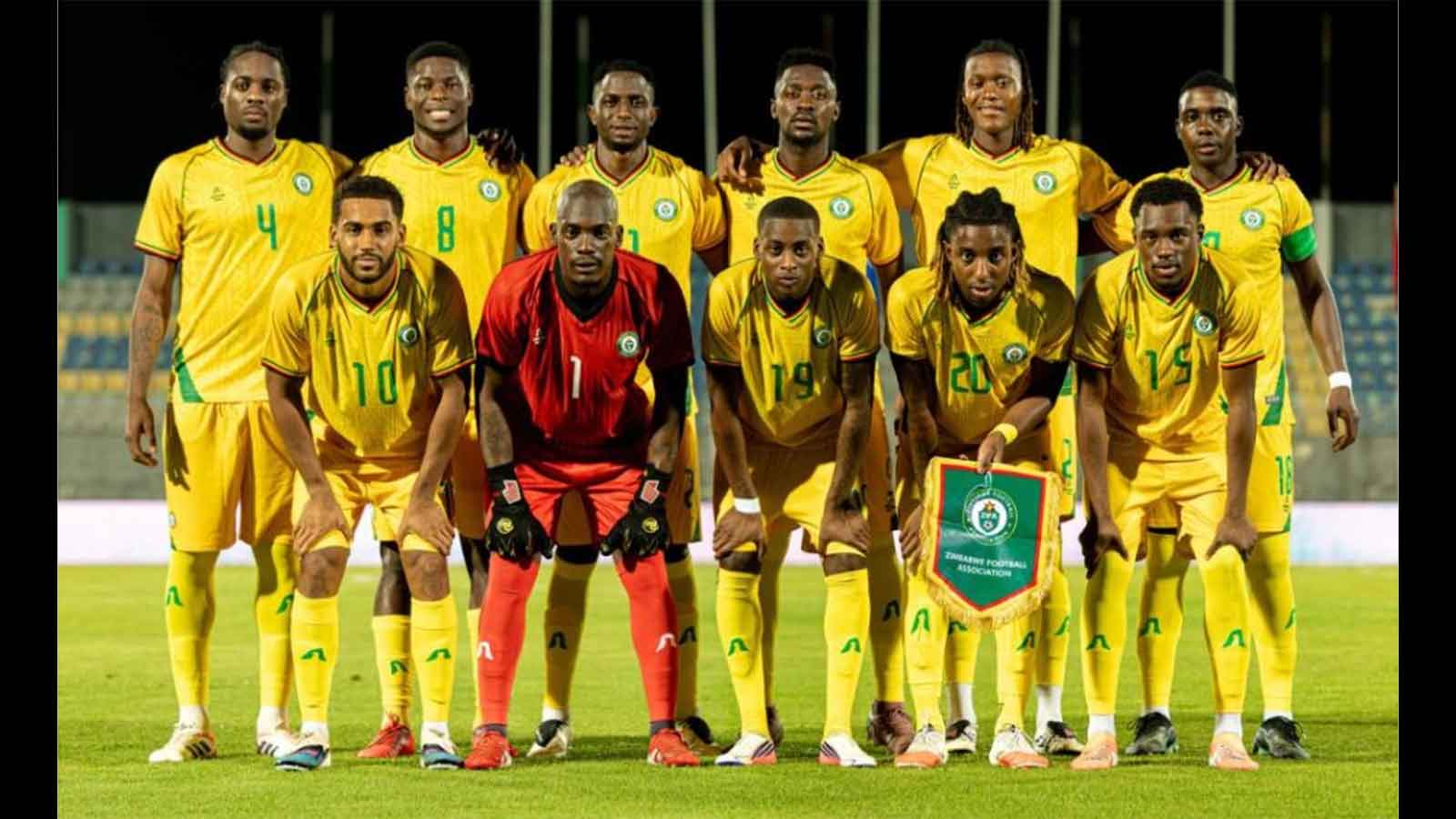
This week, our Under-15 boys are in Azerbaijan for the inaugural FIFA U-15 World Cup and Festival.
As they test themselves against players from across the world, we must also think about the boys and girls who hope to follow them.
Their chance will depend on the work we do now to create a clear route from grassroots football to national representation.
FIFA’s initiative addresses a familiar problem in football. Talent exists everywhere, but the chance to test it against international opposition has not always been equally available.
Giving more young players that opportunity is a welcome step for the game.
In Azerbaijan, our boys will encounter different football cultures and unfamiliar challenges. They will learn what it takes to compete beyond their domestic environment and carry the responsibility of wearing the national jersey.
We will follow their results with interest, but we must also look closely at what they learn and how those lessons can improve our football.
The way this squad was selected matters, too.
A nationwide development programme helped identify the players now representing us. That is a step towards a more consistent approach to finding and nurturing young talent.
A national team should grow out of the football being played throughout the country.
We need regular opportunities for players in schools, communities and provincial competitions to be seen and assessed, rather than relying on isolated searches when a tournament is approaching.
Programmes such as BancABC Roots Impact are helping us make that connection.
They give us a way to broaden our reach and link participation at grassroots level with player development and, eventually, national representation.
The work must continue beyond this tournament and this age group.
These boys are still at the beginning of their football journeys. Some may move into higher age group national teams. Others will need more time and support.
Whatever their next step, we have a responsibility to make sure the experience in Azerbaijan helps their development when they return home.
That means better coaching, regular competition and continued attention to each player’s progress. It also means making sound selection decisions. We must identify the best available players for each assignment, using the right criteria, and prepare them for the demands they will face.
As international opportunities open up at younger ages, our preparation has to keep pace.
For some of the boys, the next opportunity could come at the AUSC Region 5 Youth Games in Maputo, Mozambique, in December.
That possibility makes it even more important to see youth football as a continuous journey.
A camp should help a player improve. A competition should give our technical teams a clearer picture of what that player can do and where more support is needed.
Those lessons should shape the work before the next assignment, so that players move through the age groups with stronger skills, a better understanding of the game and more experience of international football.
We cannot promise that every young player will become a senior international.
Players develop at different rates, and their journeys will differ. What we can do is work towards a system that gives more talented young Zimbabweans a fair opportunity to progress.
That same responsibility extends to girls.
FIFA will introduce the girls’ edition of the U-15 World Cup and Festival in 2027, and we must prepare for it with the same seriousness we have brought to the boys’ programme.
We already have places to look for talent. The National Association of Secondary School Heads (NASH) competitions, BancABC Roots Impact and the Zimbabwe National Youth and Paralympic Games all provide opportunities to identify and assess young female footballers.
Our task is to connect these platforms more effectively.
A girl who shows promise at school or in her community should have a clear route to further assessment, based on appropriate development criteria, and consideration for national selection. We must also look beyond the places where football is well-established, or players are easiest to reach.
A national programme has to keep searching across the country. Where a girl lives should not determine whether her talent is seen.
Selection, of course, is only the beginning. Players need good coaching and competitive experience, along with the support to prepare properly and understand what representing Zimbabwe requires.
The 2027 tournament gives us a target to work towards. Preparation must begin now.
At ZIFA, we want international opportunities to grow from the work being done at home. That requires the association to work closely with schools, clubs, academies, development partners, coaches, parents and youth sport institutions.
Each has a part to play in helping young footballers develop.
Our selections must reflect talent and potential, while taking account of a player’s readiness and the demands of each competition. Giving a young person an opportunity carries a responsibility to prepare them well.
Travelling to an international tournament is an achievement. Its lasting value will be seen in the progress players make afterwards and the improvements we bring to our development programmes.
Azerbaijan gives our boys a chance to learn from the world game. Maputo may offer some of them another step, while the girls’ tournament in 2027 gives us a clear reason to strengthen their opportunities too.
Let us put that ambition to work on the pitches where these journeys begin.
Wherever we serve in football, we can help a young player take the next step by recognising talent, creating opportunities and following through with support. Our children already have the dream of wearing the Zimbabwe jersey. Let us do the work together to give that dream a fair chance.
The work continues.
Nqobile Magwizi is the president of ZIFA.