Sikhulekelani Moyo, [email protected]
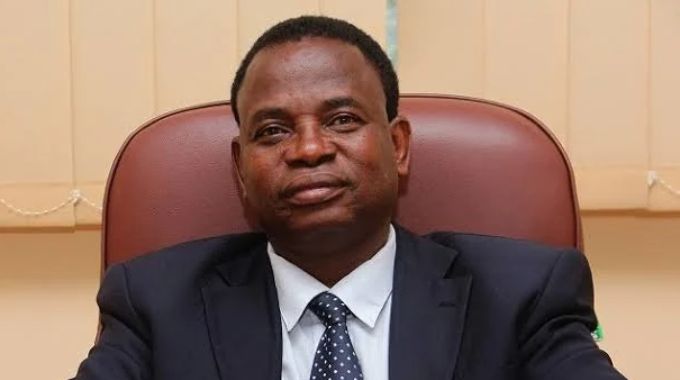
CITY of Bulawayo Town Clerk Mr Christopher Dube has urged the business community to tighten its belt and be willing to pay a premium for the city to revamp its infrastructure and meet minimum service delivery standards.
He spoke on Friday when the Bulawayo business community engaged the local authority on the proposed 2027 City of Bulawayo budget, calling for the spreading of rates increases in the next three to four years.
Mr Dube said the council’s budget has been hovering around US$221 million for the past four years, adding that the local authority is now pushing it up two-fold, which he described as a developmental budget.
He said if residents and the business community help the city raise enough funds for developmental initiatives, they can hold council accountable if it fails to deliver quality service.
“No one will come from Harare or any other area to build Bulawayo for us. We always cry that we are marginalised, marginalised by who? If you check in Plumtree rural, how they are developing their rural areas, they are developing,” said Mr Dube.
“Here in Bulawayo, people always cry about services, these services cost money but people don’t want to pay. Now we have set the budget for you business people and the residents, if you want you can destroy it.”
The City of Bulawayo has proposed a US$440,6 million budget for 2027, with a 50 percent general tariff increase and new levies targeting roads, public lighting and disaster preparedness as the local authority moves to rehabilitate ageing infrastructure and improve service delivery.
This is a 24 percent cut from the first proposal of US$457,88 million, which would have seen a 74 percent tariff increase.
Presenting submissions from the business community, Zimbabwe National Chamber of Commerce (ZNCC) Matabeleland Region executive member Mr Jermaine Chapfiwa said council should spread its proposed 50 percent increase over three to four years to cushion businesses and residents.
“The main concern was, why can’t the council phase the increase, maybe spread it over three to four years to reduce pressure on businesses and residents,” said Mr Chapfiwa.
Other suggestions from the business community include widening the revenue base through utilisation of idle assets.
Mr Chapfiwa said there are leased, unused council properties that can generate additional revenue if properly utilised. He also suggested reviewing existing leases by reclaiming neglected or underperforming council properties.
He cited dilapidated former bowling clubs and other council-owned properties around the city that need attention or new leases.
“Reduce operating costs. Digitise council services and address the high recurrent expenditure ratio of 71,5 percent,” he said.
“Fair road maintenance fees, collect road maintenance fees through business licences rather than property rates.”
Mr Chapfiwa also raised concerns about service delivery, noting that in Hillside, roads are filled with sand yet residents are paying the US$2 road maintenance fee.
He said the sand will be eroded into drainage systems during the rainy season, creating additional expenditure for the council.
The business community also called for transparency and accountability, with the council expected to provide regular reports on how collected funds are spent.
On alternative financing businesses said council must “explore municipal bonds to finance infrastructure development”.
Mr Chapfiwa added the council must focus not only on increasing revenue, but also on reducing expenditure. He flagged the salary bill of around US$118 million as a major concern and proposed releasing more commercial and industrial land for investment as a way to capacitate the budget.
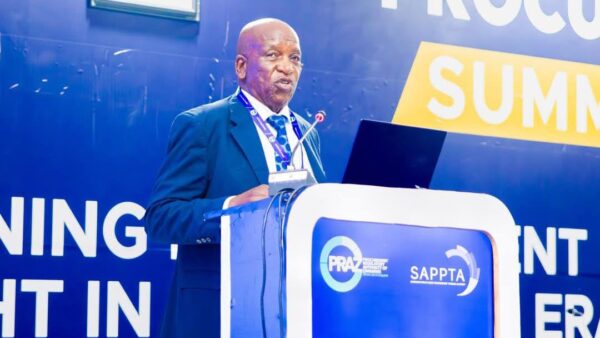
In his response, the City of Bulawayo’s Finance Director, Mr Tennyson Mpunzi, defended the proposed 50 percent increase, saying it had already been reduced from 74 percent and anything lower would result in poor service delivery. He said the council’s budget is guided by its five-year strategic plan.
“As a local authority, we have got a strategic plan. It is a five-year strategic plan. It’s not different from the expectation of the Government,” said Mr Mpunzi.
“After that, we sit down as a council, do some number crunching, costing the needs of the ratepayers. Then we come up with a dollar sign. Those are our products. Those are the products that we sell to the customers, in brackets, the ratepayers,” he said.
Mr Mpunzi illustrated the cost pressures using water, saying water is not free. “There is what we call an abstraction fee. We don’t get water for free from Zimbabwe National Water Authority (ZINWA). For us to draw water, there is a fee,” he said.
Mr Mpunzi said pumping water from dams including Inyankuni, Insiza and Umzingwane costs council more than US$70 000 per month in electricity bills alone, which has to be apportioned to residents and industry.
On top of that, the council imports most water treatment chemicals and pays for labour.
Mr Mpunzi said Government circulars require local authorities to charge cost-recovery tariffs and allow an additional 15 percent to replace dilapidated infrastructure. He also highlighted non-revenue water, which he said now exceeds 35 percent.
“You can imagine what it means, nearly half of what you pump or extract from the dams is lost. I think we should have a dam in the city in terms of non-revenue water,” he said, adding that addressing non-revenue water would reduce water shedding.
Mr Mpunzi said council is also constrained by lack of tools, with only two or three service vehicles shared by maintenance crews, forcing other departments to surrender vehicles on weekends to clear the backlog, especially on sewer maintenance.
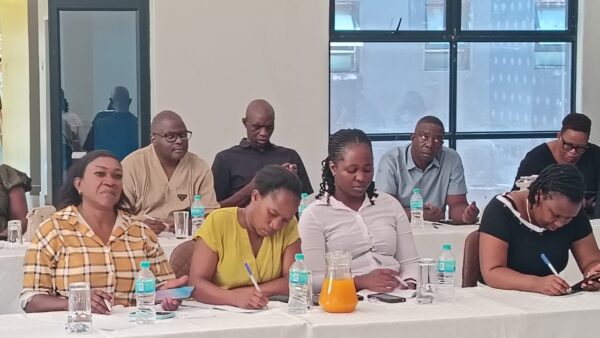
The meeting, which was chaired by Bulawayo Business Forum chairperson Mr Heresy Herry, brought together representatives from the Confederation of Zimbabwe Industries, Construction Industry Federation of Zimbabwe, academia and civic organisations.