Online Reporter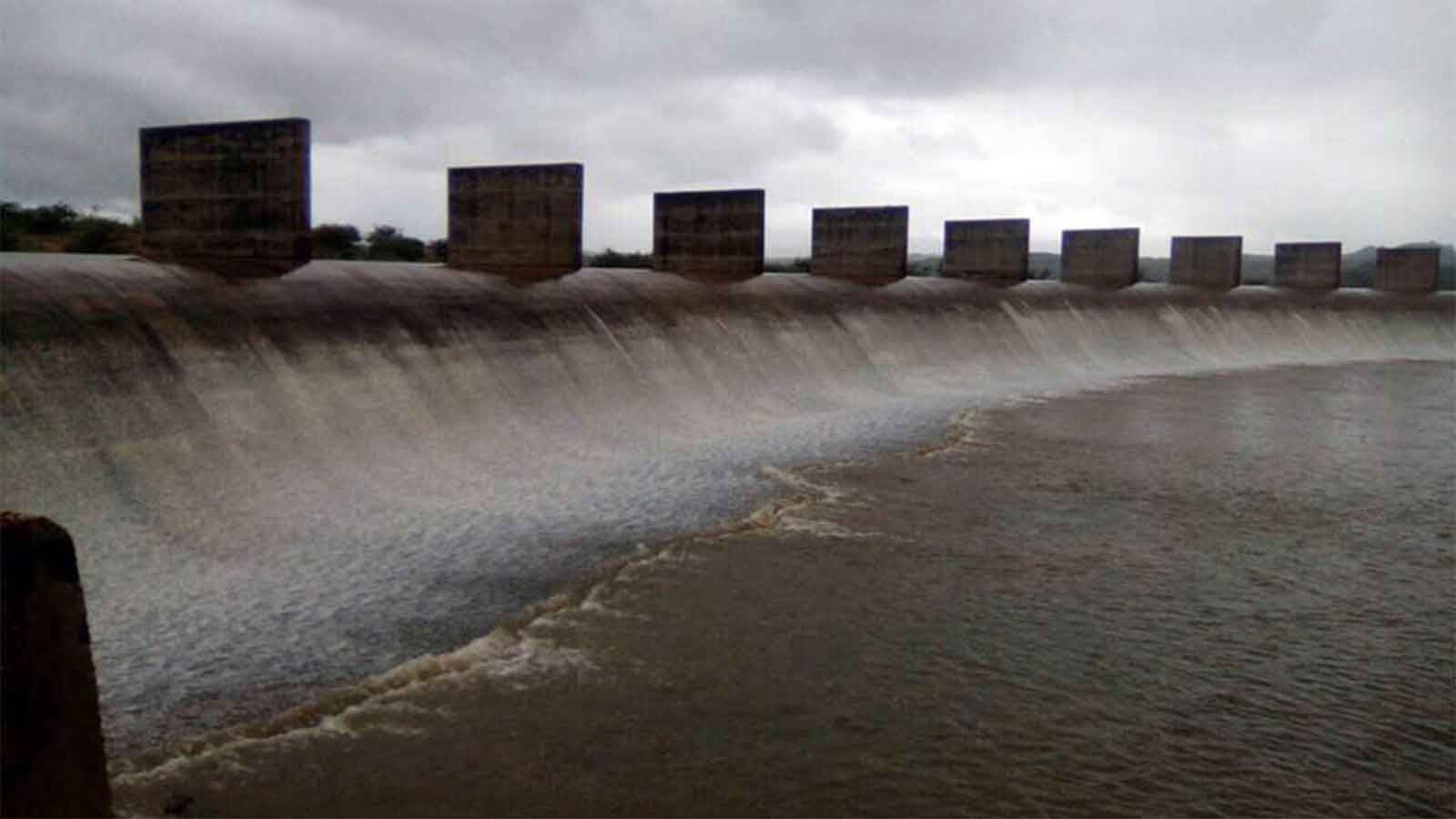
Michelle Musandinyoze
BULAWAYO City Council (BCC) has reduced its weekly water-shedding schedule from 130 hours to 96 hours following a slight improvement in inflows into the city’s supply dams due to sustained rains.
Bulawayo has endured prolonged water shortages for decades, a situation that has worsened in recent years owing to ageing infrastructure, climate change and rising demand from a growing population.
The city depends on six supply dams — Umzingwane, Inyankuni, Upper Ncema, Lower Ncema, Mtshabezi and Insiza — which frequently fall to critically low levels during drought periods.
This has forced the local authority to impose strict water-shedding regimes, leaving some suburbs without running water for days or even weeks.
As a result, residents often resort to boreholes, wells and unsafe water sources, worsening the risk of water-borne diseases. Illegal gold panning in river catchment areas has further compounded the crisis by disrupting inflows into dams, while ageing water and sewer reticulation systems continue to cause frequent pipe bursts, sewer spills and contamination risks.
According to the latest edition of BCC’s weekly newsletter Masiyepambili, quoting acting director of Water and Sanitation Engineer Kwanele Sibanda, the improvement in water availability has been driven by increased dam levels following consistent rainfall across the country.
BCC said if the current rainy season persists, Bulawayo could experience a significantly improved water supply situation, with combined dam levels standing at 43 percent as of Thursday last week. Mtshabezi Dam recorded the highest inflows of the season at 17 percent and is now 75 percent full.
“During the same period last year, dam levels were at about 30 percent, rising gradually to around 50 percent by the end of the rainy season in March,” said Eng Sibanda.
She said the council had exercised caution in preserving water resources under the previous 130-hour weekly shedding programme, ensuring that the city entered the 2025/26 rainy season with dam levels at 38 percent.
According to Masiyepambili, Eng Sibanda presented a proposed adjusted water restoration timetable to the Future Water Supplies and Water Action Committee in December last year.
“She indicated that the water situation was stable and recommended adjustments to water supply for residents and stakeholders, noting that trial runs had demonstrated the city’s capacity to sustain a 96-hour weekly water-shedding programme,” the newsletter said.
Eng Sibanda said the city’s water situation had markedly improved since the introduction of the stricter water-preservation measures in October 2024.
She added that water pumping operations had remained stable, with no major technical challenges reported, allowing Criterion Reservoir to maintain consistent levels.
“This stability has strengthened the entire distribution network, ensuring reliable water supply to all suburbs, including traditionally vulnerable high-lying areas,” Eng Sibanda.
Despite the improvement, the city remains under a tight water-rationing regime, with households in eastern suburbs allocated 450 litres per day, while those in western suburbs receive 350 litres per household per day.
“The city continues to implement reduced daily water allocations as part of its rationing strategy,” said Eng Sibanda.
Over the years, long-term solutions such as the ongoing construction of Lake Gwayi-Shangani under the National Matabeleland Zambezi Water Project (NMZWP) have been proposed as permanent answers to Bulawayo’s water challenges.