Online Reporter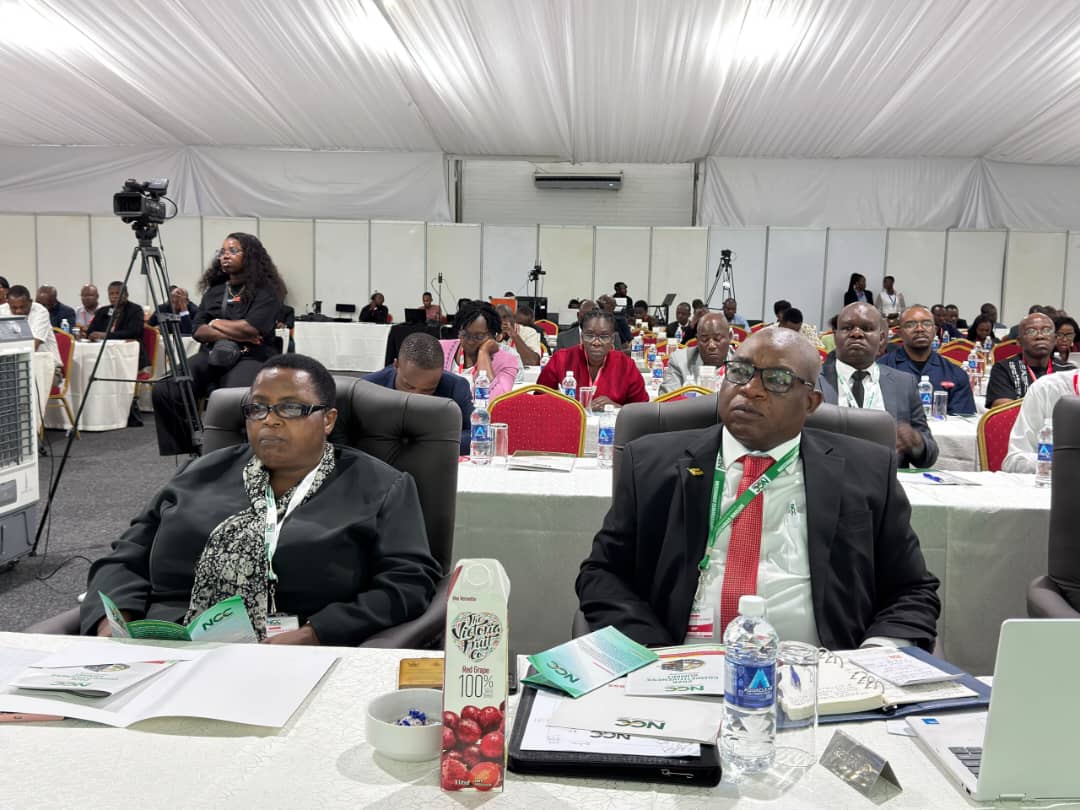
Nqobile Bhebhe [email protected]
BULAWAYO is positioning itself as a test case for Zimbabwe’s competitiveness drive, with the city reviewing its regulatory, planning, licensing, land administration and service delivery systems to create a more investment-friendly business environment.
In a speech read on his behalf by Councillor Aleck Ndlovu, City of Bulawayo mayor Councillor David Coltart said the city’s competitiveness would increasingly depend on how efficiently it enables businesses to operate, investors to establish and expand, and institutions to respond to the needs of the private sector.
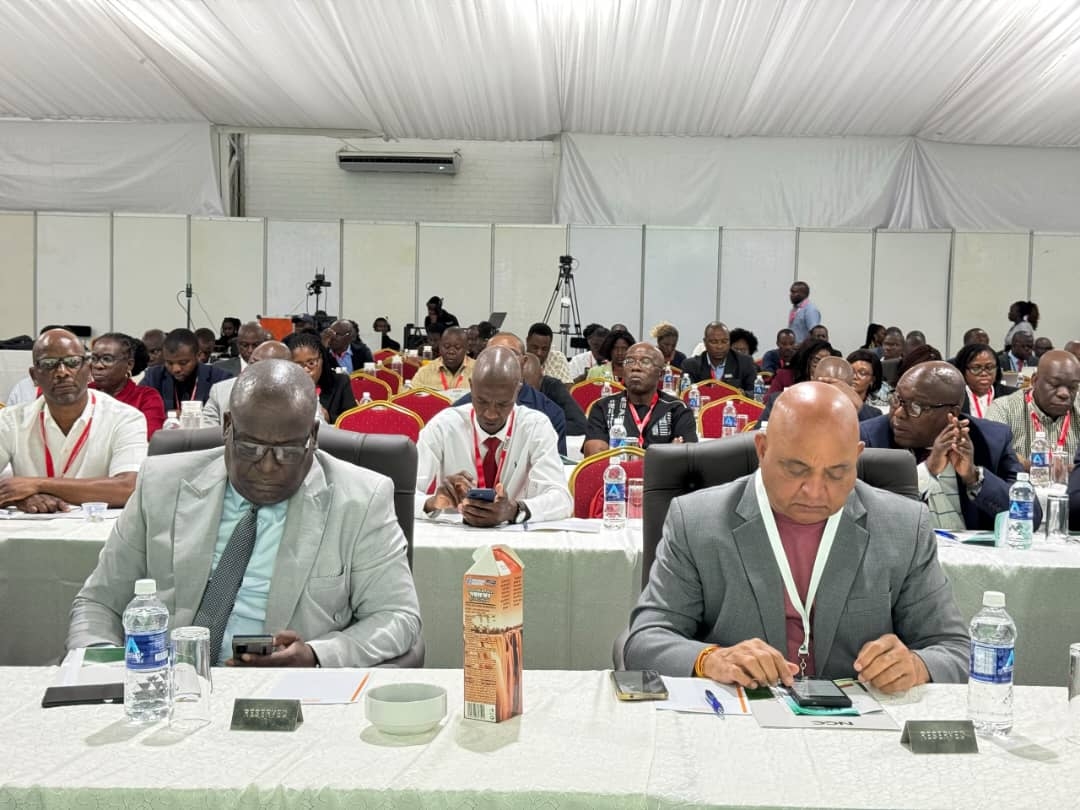
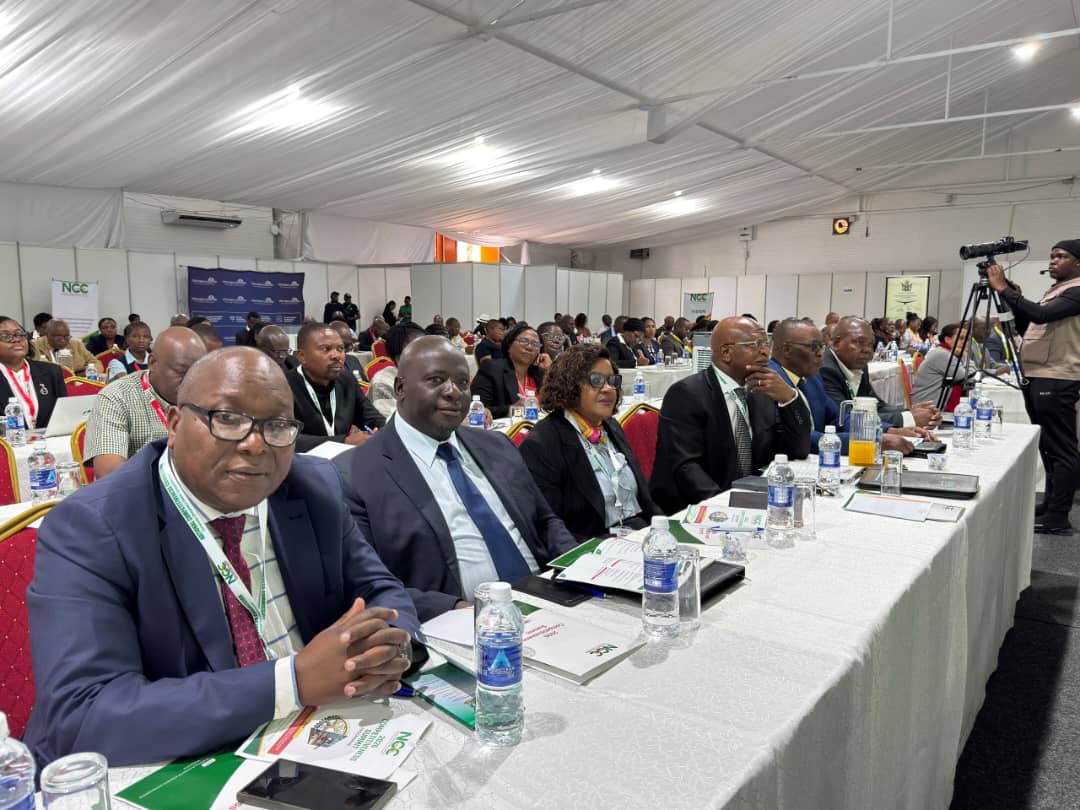
Addressing the second edition of the National Competitiveness Commission (NCC) Competitiveness Summit in Bulawayo, Cllr Coltart said the city could not rely on its industrial heritage alone, but had to create conditions that support fresh investment, new industries and entrepreneurship.
“The competitiveness of an economy is not determined by the size of its resources alone. It is also determined by how efficiently we transform those resources into economic value, how easily businesses can operate, how quickly investors can establish and expand their operations, and how effectively institutions respond to the needs of citizens and the private sector,” he said.
The remarks put local government systems at the heart of the competitiveness debate, with councils playing a direct role in determining how easily businesses can secure licences, access land, obtain approvals and receive municipal services.
Cllr Coltart said Bulawayo was examining its own systems to identify barriers that could constrain business growth and investment.
“The City of Bulawayo recognises that our regulatory processes, planning systems, licensing procedures, land administration, infrastructure provision and service delivery all influence the competitiveness of our city,” he said.
“We have been continuously examining our own systems and asking ourselves whether we are making it easier or more difficult for businesses to operate, invest and grow. Where we identify barriers, we must be prepared to address them.”
The mayor said the city was also moving to streamline business processes and make services more accessible through digital platforms.
“Our focus has been on creating platforms that enable ease of doing business in our city.
“We have also been focused on streamlining our business processes so that they are more efficient, available online and easily accessible to the residents and stakeholders.”
For businesses and potential investors, such reforms can affect the time and costs associated with establishing and expanding operations, making the efficiency of local authority processes an important component of the wider competitiveness agenda.
Cllr Coltart said Zimbabwe needed an environment in which enterprises could innovate, invest, expand and create employment without being unnecessarily constrained by outdated or fragmented regulatory processes.
He said Bulawayo had significant assets on which to build, including its manufacturing tradition, skilled workforce, infrastructure and regional market connections.
“Bulawayo has a proud industrial and commercial heritage and remains strategically positioned to contribute significantly to Zimbabwe’s economic development,” he said.
“Our city has a strong manufacturing tradition, a skilled workforce, established infrastructure and important links to regional markets.
“But our competitiveness cannot be based on history alone. We must create the conditions for new investment, new industries, innovation and entrepreneurship.”
While advocating regulatory reform, Cllr Coltart stressed that regulation remained necessary for protecting consumers, the environment and fair competition.
“It protects consumers, safeguards the environment, promotes fair competition and ensures that businesses operate responsibly,” he said.
“However, regulation must also be effective, proportionate, predictable and responsive. It should not stifle development and businesses from growing and most importantly from making a profit.”
He said unnecessarily complicated regulatory procedures could have unintended consequences for investment and enterprise.
“Where regulatory processes become unnecessarily complicated, costly or time-consuming, they can unintentionally discourage investment, increase the cost of doing business and limit the ability of enterprises to compete.”
The mayor called for businesses, SMEs, investors, entrepreneurs, professional associations and workers to be part of the reform process.
“The local authority, business community, small to medium-sized enterprises, investors, entrepreneurs, professional associations, workers and the business community must be part of the reform conversation.”
“This is how we can build regulatory frameworks that are not only efficient, but also inclusive and forward-looking.”
Cllr Coltart said the ultimate test would be implementation, with the summit expected to generate practical measures that translate into changes on the ground.
“Let us remember that the achievement of our national economic aspirations will depend not only on the policies we formulate, but on the speed, consistency and determination with which we implement them.”