Online Reporter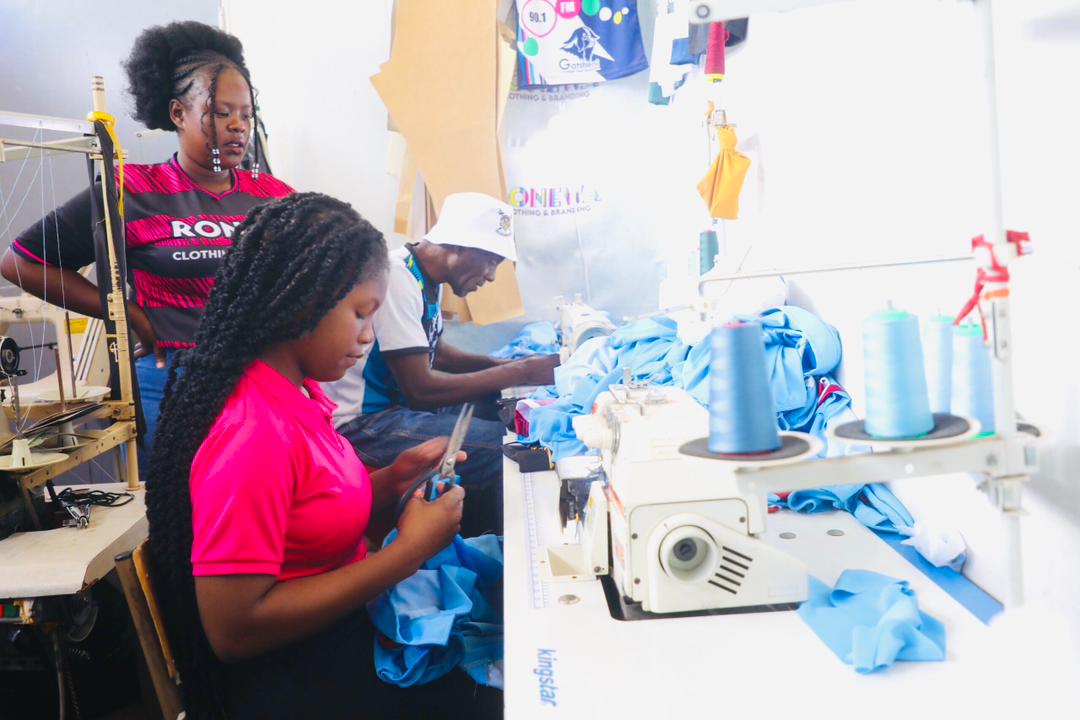
Sikhulekelani Moyo Zimpapers Business Hub
SMALL and Medium Enterprises (SMEs) in Bulawayo producing school uniforms, bags and related products have intensified production ahead of the reopening of schools on January 13, with many working day and night shifts to meet rising demand.
A visit by Zimpapers Business Hub to the Bulawayo SMEs Centre yesterday revealed a hive of activity, with the steady hum of sewing, embroidery and overlocking machines filling the air as workers raced against time to meet customer deadlines.
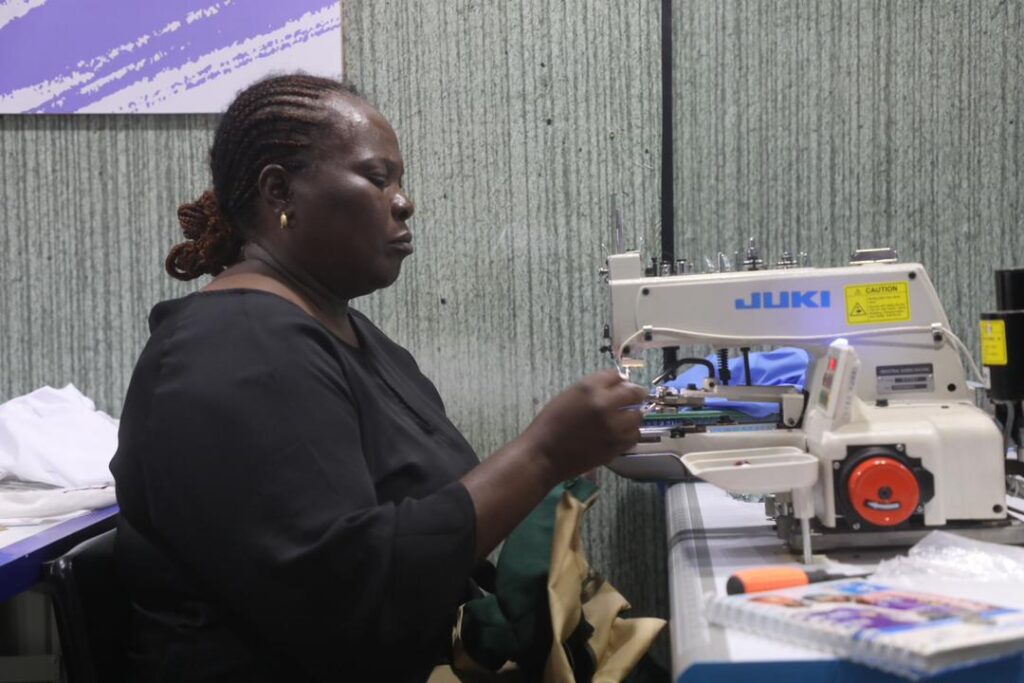
In an interview, Bulawayo Chamber of SMEs coordinator Mr Nketa Mangoye Dlamini said demand for school uniforms and related products had steadily increased since December.
“During this period, we see a lot of orders for uniforms. People are really coming to place orders and, in terms of business, the volumes are okay,” said Mr Dlamini.
However, he said last-minute orders were placing pressure on production, compounded by shortages of some raw materials and intermittent power supply.
“Last-minute orders are a challenge. With rush production, mistakes can easily happen. Just last week, we experienced power cuts for about three days, which affected production, yet we were still expected to meet deadlines,” he said.
Mr Dlamini advised customers to place orders early to allow SMEs adequate time to source materials and deliver quality products.
To address material shortages, he said the Chamber was proposing the establishment of a material supply hub at the SMEs Centre to reduce the time and cost spent sourcing inputs across the city.
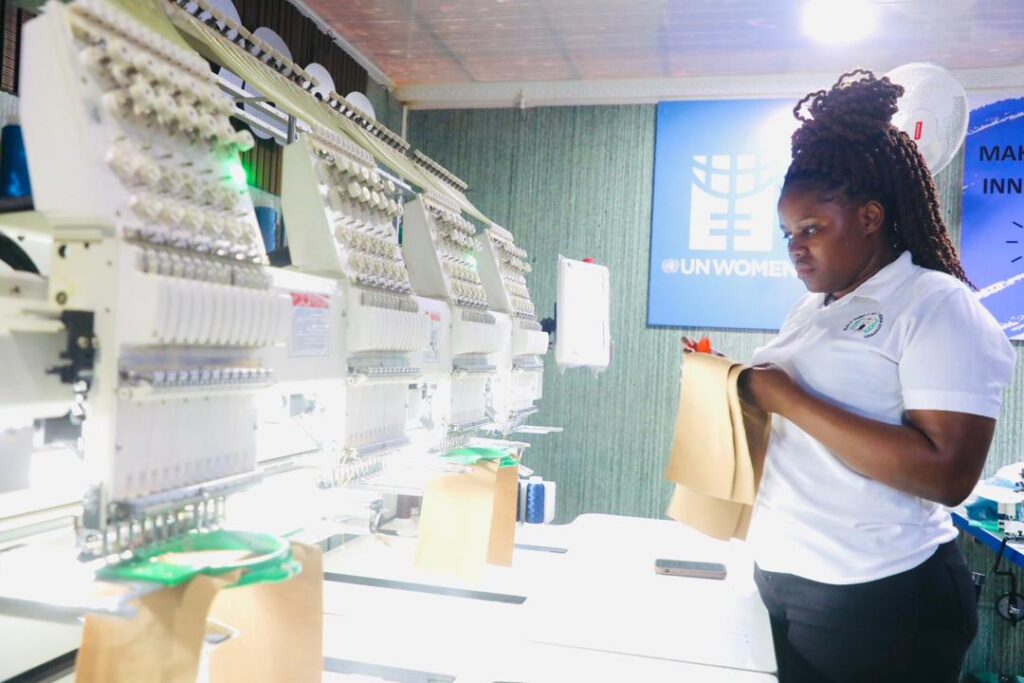
He also highlighted the impact of the Maker Space Innovation Hub at the Bulawayo SMEs Centre, saying it had significantly improved productivity.
“The Maker Space has made it easier for SMEs to access services closer to their workstations instead of travelling to the CBD. In terms of volumes, the Maker Space has really picked up, especially during this peak period,” he said.
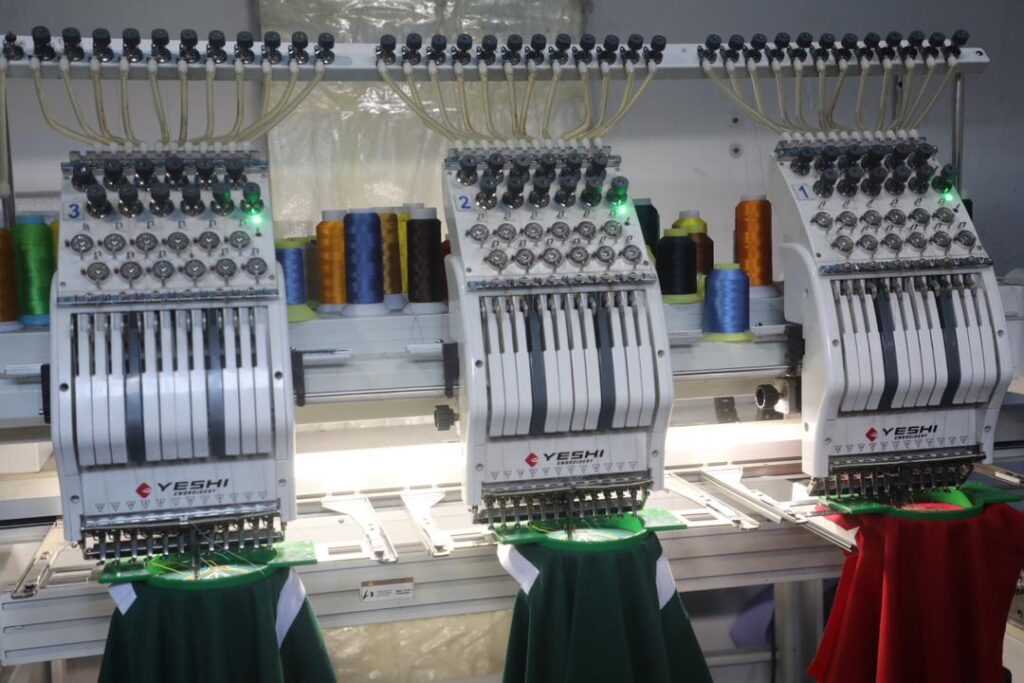
The Maker Space Innovation Hub is a key initiative aimed at empowering women-led textile enterprises. It provides access to modern machinery such as embroidery, button-fixing and overlocking equipment, enabling SMEs to produce high-quality goods and participate in higher-value production chains.
“As demand increases, the women operating the facility have introduced night shifts to allow 24-hour utilisation. We are also encouraging other women operating elsewhere to come and use the facility,” said Mr Dlamini.
Bulawayo Chamber of SMEs vice-chairperson Ms Sithabile Bhebhe said limited access to funding remained a major challenge for SMEs, restricting their ability to service large orders.
“This year is better compared to last year as demand has grown, but capital remains a challenge. Some SMEs get big orders but cannot fulfil them due to lack of funding,” she said.
“Accessing bank loans is not easy, as approval can take weeks or even a month. In the meantime, deadlines still have to be met.”
Ms Bhebhe also appealed to the Zimbabwe Electricity and Supply Authority (ZESA) to minimise power cuts during the peak back-to-school period.
“We appeal to ZESA to at least spare us during these busy days, as electricity disruptions affect productivity,” she said.
Another SME operator, Ms Juliana Mujuru, said inadequate capital affected stocking capacity, resulting in production delays.
“Most of us wait for customers to pay deposits before buying material. This puts pressure on deadlines and sometimes affects quality,” she said.
“We also need modern, energy-efficient machinery to improve productivity. If SMEs had access to loans, we could stock materials before schools close, knowing that January is always a busy back-to-school period.”
Ms Mujuru added that extended night shifts were taking a toll on workers’ health and performance.
A worker at Nkuzi Embroidery said although they were prepared to meet demand through day and night shifts, shortages of staff and materials were forcing them to outsource labour for night operations.
Meanwhile, Ms Lisa Dube of Ronewa Clothing and Branding said customer deposits remained the main source of working capital.
“We rely on deposits from customers to buy material. While it helps reduce the funding challenge, access to affordable financing would allow us to grow faster and take on bigger orders,” she said.