Online Reporter
Nqobile Tshili, [email protected]
BULAWAYO’S water supply dams have reached 50 percent capacity after accumulating 26 percent inflows since the onset of the rainy season, prompting the local authority to recommission all previously decommissioned dams.
The city’s current dam levels are 7 percent higher than those recorded during the same period last year.
Bulawayo City Council (BCC) yesterday released a report showing that inflows into the city’s supply dams are on a positive trajectory, providing some relief to residents who have endured prolonged water shedding.
The water crisis, driven by successive droughts and aging infrastructure, has seen the city implementing strict water rationing schedules, at times leaving some suburbs without water for up to four days a week.
“The global percentage increase to date due to the rains this season is 26,36 percent of overall dam capacity. Upper Ncema dam gates were opened to release water into Lower Ncema, which had reached a critical low of 9,26 percent on Wednesday, 12 February 2025,” reads the BCC statement.
According to the latest statistics, the city’s supply dams were 49,7 percent full as of Monday, compared to 42,8 percent in the same period last year. Umzingwane Dam, which had dropped to a critical 2 percent capacity leading to its decommissioning, has seen the highest cumulative increase of 52 percent. As a result, the dam was recommissioned on January 14 and now stands at 48 percent full.
Upper Ncema Dam has also recorded significant gains, with water levels rising to 54 percent after receiving a 50 percent inflow. During the same period last year, it was only 17 percent full. The dam was recommissioned on February 12. Insiza Mayfair Dam, which received a 22 percent inflow, now stands at 56 percent, although it remains 2 percent lower than last year’s levels.

Lower Ncema recorded a 20 percent inflow, bringing its levels to 26 percent. However, Inyakuni Dam has had the lowest inflows at 6 percent, leaving its water levels at 20 percent, 9 percent lower than last year.
Mtshabezi Dam has the highest water levels at 80 percent after receiving 28 percent cumulative inflows this season, 7 percent higher than last year.
Posting on his Facebook page, Bulawayo mayor Councillor David Coltart said the water inflows were encouraging and urged residents to continue conserving water.
“We have had some encouraging inflows to our City of Bulawayo dams but we need a considerable amount more before we get out of the danger zone. So please keep praying for more rain in March and April,” he posted.
Cllr Coltart also revealed that the council will soon review the city’s water-shedding programme, raising hopes that residents could experience some relief from the stringent water rationing measures that have persisted for years.
The city’s water crisis has been exacerbated by limited investment in water infrastructure, climate change-induced droughts, and high evaporation rates from the dams.
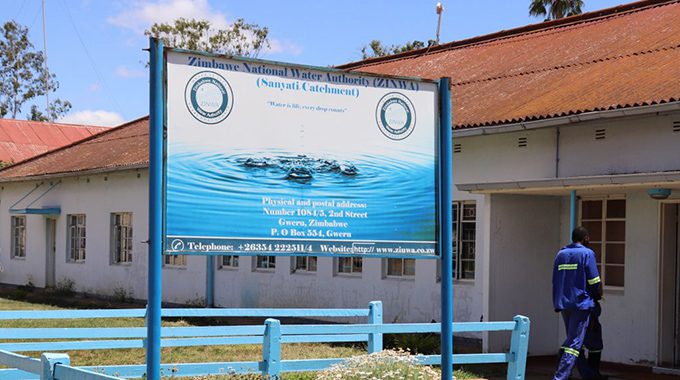
In a statement, the Zimbabwe National Water Authority (Zinwa) also warned of potential flooding in low-lying areas as national dam levels have risen to 86 percent, with several major dams spilling.
Heavy rains across the country have resulted in dams such as Tugwi-Mukosi and Lake Mutirikwi reaching full capacity. Some community dams have already burst their walls due to excessive inflows.
Zinwa urged communities in flood-prone areas to remain on high alert.
“Consistent rainfall activity across much of the country has led to increased water levels in most dams and rivers, raising the risk of flooding in downstream and low-lying areas. In view of that, Zinwa would like to advise the public to be on high alert,” read the statement.
The agency also cautioned residents against crossing or driving through flooded rivers, fishing in swollen water bodies, or allowing children and livestock near flooded areas.
“Do not cross or drive through flooded rivers, do not fish from flooded rivers, monitor the movement of children and livestock and secure irrigation equipment. The public should also evacuate or move to higher ground when instructed to do so,” read the statement.
Drowning incidents have been recorded in various parts of the country, with more than 50 people reported dead due to rain-related accidents.
@nqotshili