Online Reporter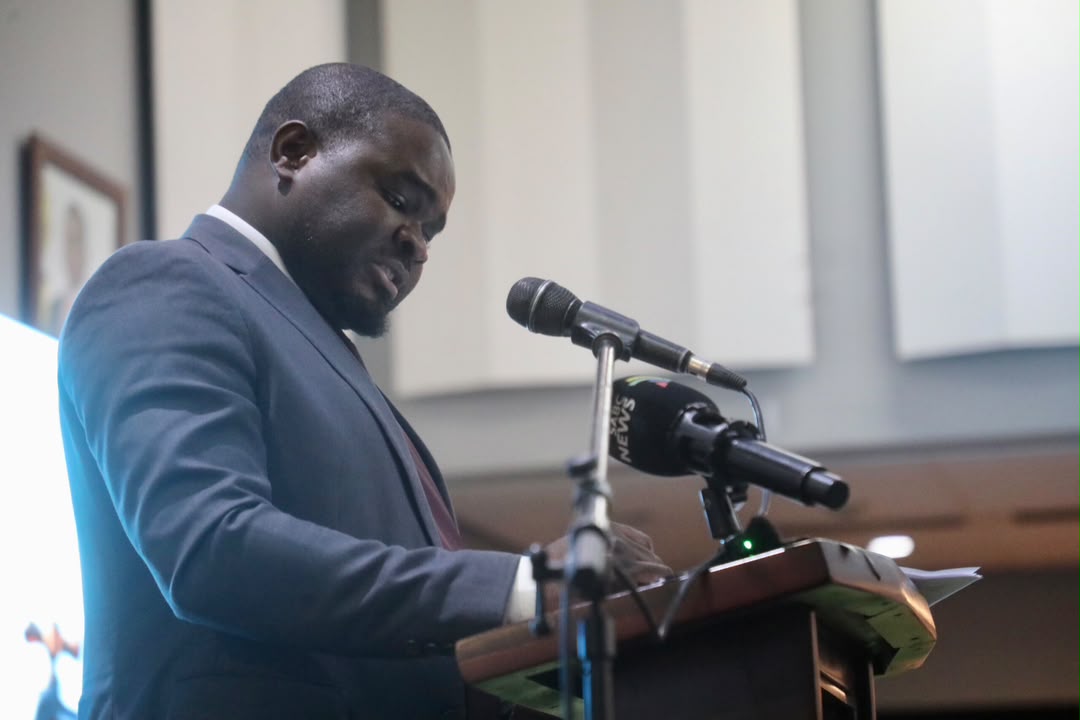
Raymond Jaravaza, [email protected]
ILLEGAL taxi ranks, rampant vending and ageing infrastructure have exposed Bulawayo City Council’s enforcement and resource challenges, with residents demanding urgent action to restore order and improve basic services.
The concerns dominated the 2026 Budget Review Consultation meeting held at the Large City Hall on Wednesday, where residents and business representatives questioned council management over the state of roads, water supplies, drainage, illegal mining in catchment areas and commuter omnibus operations.
The meeting provided residents, the business community, civic leaders and council officials with an opportunity to assess the local authority’s performance during the first half of the year and make recommendations on areas requiring urgent intervention.
A major concern was the continued operation of illegal taxi ranks in the city centre, which residents said was fuelling the proliferation of illegal vendors.
A resident, Mr Mbuso Siso said vendors were naturally gravitating towards areas where kombis picked up and dropped off passengers.
“Vendors will always follow kombis and wherever passengers are being picked up and dropped off, vendors will make that place home. Vendors operate in places where there are a lot of people, so they will always target passengers as their potential customers,” he said.
“Council should find ways of ensuring kombis relocate to Egodini Taxi Rank and that way vendors will also follow them,” he said.
Another resident, Mr Enock Mlilo, said council needed to beef up its enforcement capacity instead of repeatedly discussing the problem of illegal vendors without addressing the manpower constraints within its security department.
“We cannot keep talking about illegal vendors in the city centre without addressing the issue of manpower in the BCC security department,” he said.
On illegal mining in the city supply dams’ catchment areas, acting director of water and sanitation Engineer Kwanele Sibanda said council was working with Umzingwane and Insiza Rural District Councils to protect the water sources.
“We are working with Umzingwane and Insiza rural district councils where we share ideas on issues that affect our catchment areas while our own council has a dedicated team of rangers who arrest the illegal gold miners and hand them over to the Zimbabwe Republic Police,” she said.
Eng Sibanda said council rangers were also confiscating equipment used by illegal gold panners despite resource constraints.
Residents also raised concerns over the state of the city’s drainage system and its preparedness for the rainy season.
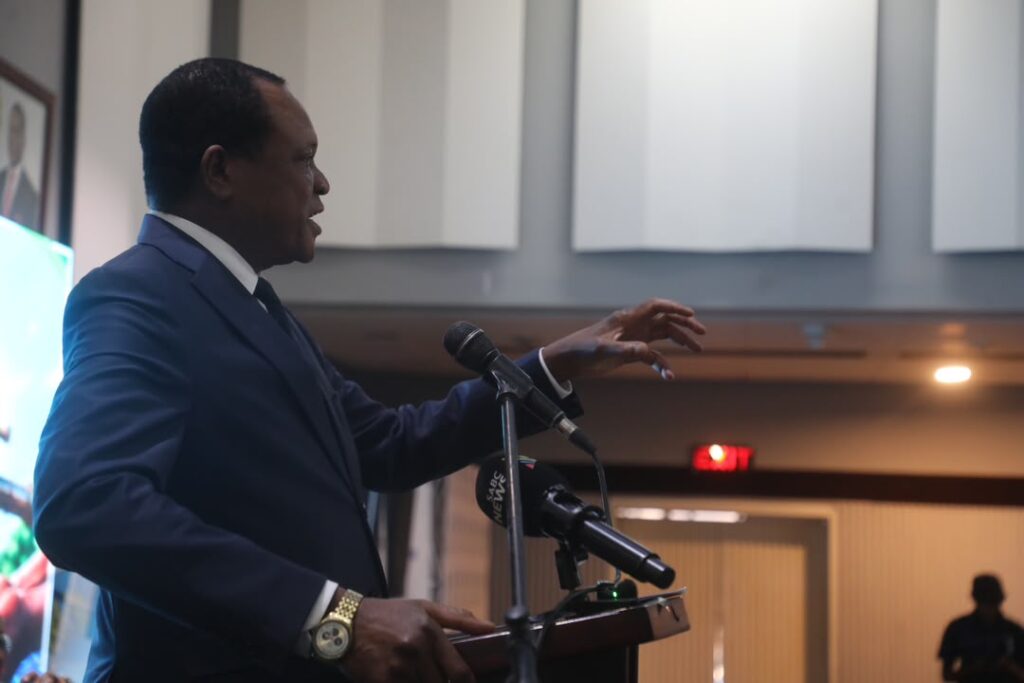
BCC finance director Mr Tennyson Mpunzi said the local authority’s limited resources remained one of the major constraints affecting service delivery.
“Council has 10 departments and we have to share resources such as vehicles so that complaints of burst pipes, blocked drainage and sewer systems, among other services, are all provided,” he said.
Despite the challenges, council reported progress on several infrastructure projects during the first half of the year.
Council budgeted US$2,5 million for Khami Road resurfacing, Lobengula Street reconstruction and pothole patching across the city, with more than US$1 million having been spent on the three projects, which are at various stages of completion.
Council cited delays in accessing materials from the Zimbabwe National Roads Administration (Zinara), obsolete equipment, rising fuel costs, contract price variations and breakdowns at its batching plant, which have affected the supply of hot mix, among the challenges slowing down road rehabilitation.
A further US$2 million was budgeted for Lobengula Street and Third Avenue improvement works, a one-kilometre overlay of Herbert Chitepo Avenue between First and Ninth avenues, as well as the rehabilitation of Falcon and Wanderer streets.
Council said the road projects had also been affected by ageing and leaking water and sewer mains, as well as obsolete plant and equipment.
In Old Magwegwe along Godlwayo Road, council spent US$6 800 on a public safety and security project, which has since been completed.
The local authority also budgeted US$557 400 for maintenance of public lighting infrastructure in areas including Hillside Road, parts of the city centre and tower lights in Nketa 8, Cowdray Park and Nkulumane 12.
The lighting projects are at various stages of implementation, although council said limited access to specialised pole excavation equipment and prolonged turnaround times in procuring materials remained major challenges.
In Cowdray Park, council spent US$39 000 to install 162 solar street lights in partnership with a private company.
On water and sewer services, council installed two bulk electricity meters connected to Nyamandlovu and Criterion water treatment plants as part of measures to improve monitoring and reduce non-revenue water.
Under its sewer intervention programme, council installed a 415mm sewer mains diversion pipe along Lobengula Street, although the project is yet to be completed.
Council also acquired high-pressure jetting equipment for clearing sewer lines, installed a 160mm sewerage pipe in Pelandaba and replaced 26 fire hydrants.
To safeguard the city’s raw water supply, council repaired the bulk water pipeline on the Inyankuni pipeline and undertook measures to strengthen infrastructure integrity.
Council further undertook to install new pumps at the Umzingwane Pump Station to strengthen water supplies to the city, with the infrastructure having been commissioned a few months ago.
In the education sector, council budgeted US$500 000 for the construction of five staff cottages at Aisleby Primary School, while US$227 000 has been spent on other education-related projects.