Chronicle Editor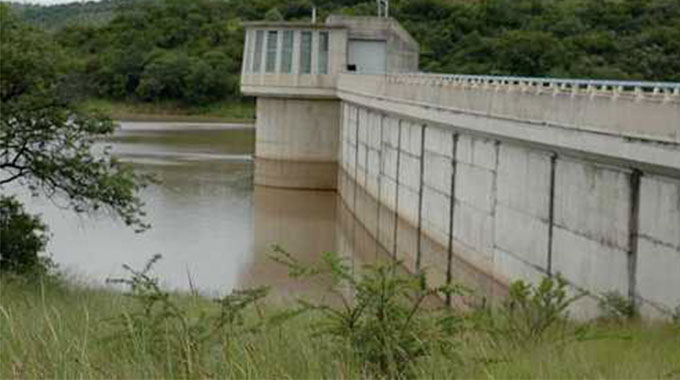
Peter Matika, [email protected]
BULAWAYO City Council which last November decommissioned Umzingwane Dam, is grappling with a worsening water crisis as the city is today expected to decommission another supply dam, Upper Ncema Dam.
According to BCC’s latest statistics, the total dam capacity as of yesterday stood at just 28,16 percent.
Insiza Dam is holding 40,33 percent, Inyankuni is at 18,07 percent, Lower Ncema is holding 21,46 percent and Mtshabezi is at 50,79 percent.

In a statement yesterday, the city’s acting town clerk, Mr Tennyson Mpunzi, said Upper Ncema, which was supposed to support Lower Ncema during the dry season, was opened prematurely in August due to ongoing drought conditions.
“Consequently, the Upper Ncema Dam has reached its non-operational level (dead-water level) and will be decommissioned effective October 3, 2024,” he said.
Mr Mpunzi said decommissioning of the Upper Ncema will exacerbate the city’s water supply challenges.
He emphasised the urgency of conserving water, urging residents to take immediate action.
The decommissioning of Upper Ncema adds to Bulawayo’s escalating water woes. The city is already enduring a 120-hour water-shedding schedule, which has failed in some areas, leaving residents without water for extended periods. Only 23 out of 40 Nyamandlovu Aquifer boreholes are operational, further straining the supply.
Parliamentarians visiting Bulawayo last week witnessed first-hand the severity of the situation. They were informed that Lower Ncema is also expected to be decommissioned by November, leaving the city reliant on Insiza and Mtshabezi dams as well as supplies from Nyamandlovu Aquifer.
Decommissioning both Ncema dams could lead to a loss of 35 million litres of water per day.
A joint Parliamentary Portfolio Committee on Local Government, Public Works and National Housing and a committee on Sustainable Development Goals met BCC officials and councillors last month and conducted a tour of supply dams and the Nyamandlovu Aquifer boreholes.
The committee also toured the Lake Gwayi-Shangani project in Hwange district and is expected to make recommendations to the Government.
During the tour, councillors dispelled allegations that the city’s supply dams were silted, noting that the major challenge was upstream gold panning activities and diversion of tributaries.
Gold panners have wreaked havoc mainly on the Umzingwane River catchment and the council has lobbied for the deployment of soldiers to manage the situation.
“Over the last three years, we started having some disturbing mining activities upstream and we have gone there with policymakers and they have observed the huge pits from mining activities,” said BCC’s director of Water and Sanitation, Engineer Sikhumbuzo Ncube.
He said council pumps, which for decades have never faced a threat from vandalism, are also being threatened by gold panners resulting in additional security costs to protect the critical infrastructure.
Eng Ncube said the council is installing new pumps at Umzingwane and the project is expected to be completed by the end of this month.
“Should funds be provided, the council will improve the pumping capacity at Mtshabezi, which still has water,” he said.
Bulawayo mayor, Councillor David Coltart said while they continued to grapple with solutions to the crisis, considerable progress has been made on the Glassblock Dam project, which is considered a medium-term solution.

The dam is envisaged to increase the inflows of water to Bulawayo by 70 percent.
Bulawayo is faced with one of its worst water crises in recent years due to the El Nino-induced drought, which saw low rainfalls across the country resulting in considerably low inflows into the city’s six supply dams.
BCC has also since tightened its water rationing regime and introduced punitive fines for those exceeding daily limits.
The stringent measures contained in the latest council report include the reduction of the present free water allocation of 5 000 litres per month by 40 percent to 3 000 litres.


 Online Reporter