Online Reporter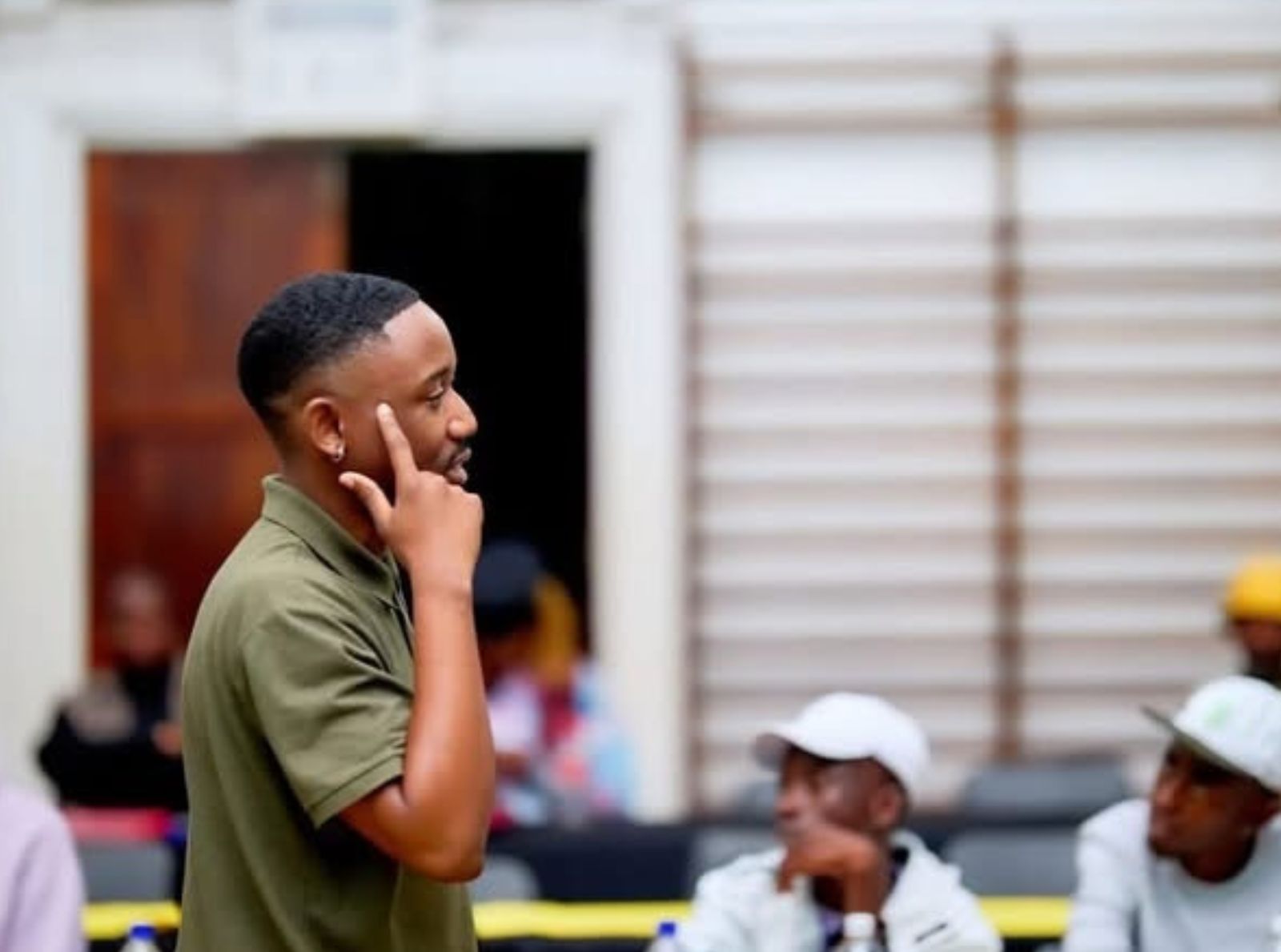
Gift Moyo [email protected]
BULAWAYO-based Hip Hop artiste Asaph Afrika has called for a shift in the local entertainment landscape, urging artistes to embrace collaboration and inclusivity rather than chasing individual glory.
As the music industry becomes increasingly competitive, with artistes often battling for recognition, bookings and the spotlight, Asaph believes the future of Bulawayo’s creative sector lies in unity and collective success.
The award-winning rapper recently took to social media to challenge the culture of artistes wanting to dominate events alone, arguing that shared platforms and collective efforts can create bigger and more impactful experiences for both performers and audiences.
Using the iconic Bulawayo City Hall as an example, Asaph said a successful concert should not be about one artiste proving their popularity, but about showcasing the strength and diversity of the city’s creative talent.
“But to be honest, there’s no fun or real impact in filling up a venue alone. Not even Cassper Nyovest does his Fill Up events alone and he’s a continental superstar. If I ever did a City Hall show, I’d definitely want other artistes on the line-up with me,” he said.
“It wouldn’t be about proving Asaph can fill up City Hall, but it would be about showing what’s possible when artistes from Bulawayo get the right marketing, proper budgets, right partnerships, and a city that believes in them.”
The Mambo hit-maker said a fully supported citywide event featuring musicians, DJs, media platforms, content creators, brands, businesses and fans would create a more meaningful legacy than individual achievements.
“Imagine City Hall packed because the whole city got behind one event. Imagine artistes, DJs, media platforms, content creators, brands, businesses, and fans all pulling in the same direction. That’s the real vision and not one man standing on stage,” he said.
“It won’t be ‘look what I did’ but ‘look what we built together as a city’. That’s why BAAs felt so big when they started. That’s the kind of culture we need to be building towards.”
Asaph’s sentiments come at a time when Bulawayo’s arts sector continues to push for stronger networks and partnerships among creatives, with many artistes recognising the importance of collective growth in strengthening the city’s entertainment industry.


 Bongani Ndlovu