Peter Matika [email protected]
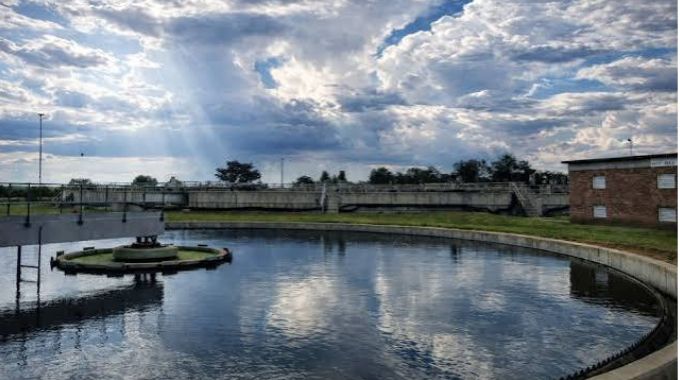
BULAWAYO City Council’s five wastewater treatment plants failed to meet Environmental Management Agency (EMA) compliance requirements in August, raising concerns over sewage management, environmental pollution and the risk to public health.
The failures coincided with a decline in bacteriological water quality compliance to 80 percent, a drop of 9,9 percentage points, according to the local authority’s August 2026 water and sanitation department performance report.
The report identifies effluent compliance, ageing infrastructure and unreliable operational vehicles among the key challenges affecting the city’s ability to deliver water and sanitation services.
The findings come as residents in some suburbs continue to grapple with sewage overflows, with Cowdray Park emerging as one of the areas experiencing persistent problems.
During deliberations on sewerage services, proportional representation councillor Siboniso Moyo said Cowdray Park was a sewage hotspot and raised concern over the impact on residents.
She told the committee about a family that had reportedly been forced to bath outside its home because of sewage problems.
“I would like to urge the water and sanitation department to take immediate action as the continued sewage challenges pose serious health concerns for residents,” said Cllr Moyo.
The report also indicates that 36 percent of the council’s vehicle fleet was grounded, affecting the department’s ability to respond promptly to sewer blockages, water leaks and water-quality sampling requirements.
Fleet reliability, transformer problems and bulk-pump reliability were identified as some of the major constraints affecting service restoration.
The department recommended prioritising repairs and expanding the fleet, describing reliable vehicles as essential for responding to service disruptions and carrying out routine monitoring.
It also called for the procurement of a dedicated tractor-loader-backhoe to improve the department’s emergency response capacity.
On electricity infrastructure, the report recommended fast-tracking transformer refurbishment at Ncema and Fernhill pumping stations, as well as completing power-factor correction at major pump stations to improve operational reliability.
The department also identified shortages of reagents and the condition of sampling vehicles as challenges affecting effluent monitoring at the five wastewater treatment plants.
Addressing these gaps was considered necessary to restore effective monitoring and support compliance with EMA requirements.
Beyond infrastructure constraints, inappropriate disposal of foreign materials into the sewer network continues to contribute to blockages and overflows.
During a previous council meeting, a councillor said about 90 percent of foreign materials recovered from sewer blockages included spoons, towels, T-shirts, sanitary wear and soil.
The councillor called for sewer manholes to be raised to reduce the entry of soil into the system.
Councillors also commended the water and sanitation department for identifying and addressing 39 sewer hotspots, a development expected to ease problems in affected areas.
However, concerns remained over delays in attending to reported sewer bursts. A complaint involving a burst along Luveve Road in Makokoba was reportedly outstanding for two weeks.
The meeting also heard of communication breakdowns between council and contractors responsible for repairing sewer bursts, raising questions about coordination and accountability in responding to reported faults.
The latest findings place renewed focus on the need to improve wastewater treatment, strengthen sewer maintenance and ensure that council has the equipment and resources required to respond to emergencies.
Failure to treat wastewater to the required standards can increase the risk of environmental contamination, particularly where inadequately treated effluent enters watercourses.