Mkhululi Ncube [email protected]
FARMERS have been urged to prioritise grain preservation, climate-smart cropping and livestock feed preparations ahead of the predicted 2026/2027 El Niño-induced drought, with Government warning that early planning will be critical in protecting national food security.
THE Minister of Agriculture, Mechanisation and Water Resources Development, Dr Anxious Masuka, said the anticipated dry conditions could have severe consequences, but their impact could be mitigated through timely interventions by farmers, Government and other stakeholders.
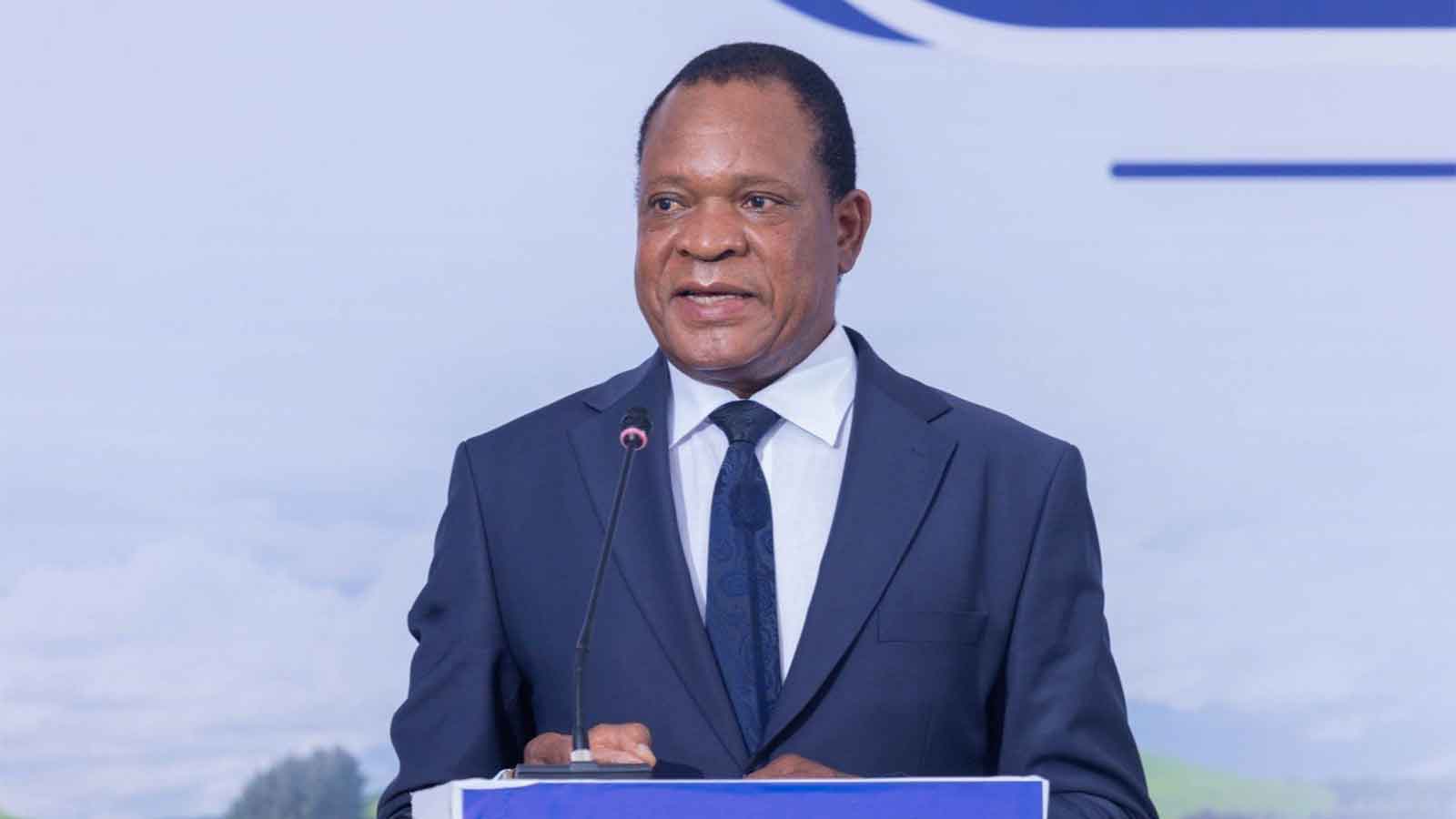
In a speech read on his behalf by Research Council of Zimbabwe chief executive officer Dr Cosmus Magorongosho during the 28th graduation ceremony of Esigodini Agricultural College last Friday, Dr Masuka said Government had developed a drought mitigation plan to prepare for the anticipated lean season.
He urged farmers to draw lessons from previous droughts and take practical steps to protect their harvests and livestock.
“One of the pillars is the Strategic Grain Reserve, which means we need to ensure that we store our food for the coming dry year. We should not be selling everything and then trying to look for food when the hunger strikes,” he said.
Dr Masuka encouraged farmers with surplus grain to sell to the Grain Marketing Board (GMB), which holds stocks for national food security.
“So, we are already being warned that we should keep our grain as much as possible and if you have access, sell to the Grain Marketing Board. They will keep it in the Strategic Grain Reserve for the nation,” he said.
The minister said farmers, particularly those in Matabeleland South, where rainfall is generally low, should embrace climate-smart agricultural practices and prioritise drought-tolerant traditional grains such as sorghum.
Farmers were also encouraged to plant early-maturing crop varieties to improve their chances of harvesting under unfavourable weather conditions.
Dr Masuka said livestock producers should prepare adequately by securing sufficient feed and ensuring their animals receive the necessary medication to withstand the anticipated dry spell.
“Here in Matabeleland we have a lot of good livestock production — goats, cattle and sheep. We need to ensure that there is enough stock feed. We need to ensure that our livestock have enough medication,” he said.
Dr Masuka warned that animals weakened by inadequate feed were more vulnerable to diseases and pests, making preventive livestock management essential.
“Once we have reduced feed, the livestock also get a little bit weak. So there is a need for protection from diseases and pests. We really need to take even extra care about our livestock as we face this challenge,” he said.
Despite the gloomy forecast, Dr Masuka urged farmers not to panic, saying the Government’s drought mitigation strategy covered interventions intended to protect communities and livestock.
Turning to the graduates, he said agriculture remained central to economic development and national food and nutrition security, with skilled professionals needed to support the transformation and modernisation of the sector.
“As Government pursues the transformation and modernisation of agriculture, there is a growing need for young professionals like you. We need more skilled people to support agriculture in the country,” said Dr Masuka.
He reaffirmed Government’s commitment to strengthening agricultural education and ensuring training institutions produce graduates equipped to respond to the sector’s changing needs.
A total of 84 students who completed a three-year training programme at Esigodini Agricultural College graduated with diplomas in agriculture.
Dr Masuka said the graduates were expected to contribute to national food security by applying their skills and expertise to improve agricultural production.
Speaking at the same event, college principal, Mr Farai Gomo said the institution was committed to producing graduates capable of responding to the changing demands of modern agriculture.
He said climate change and water shortages were among the interconnected challenges confronting the sector, requiring innovation, research and continuous learning.
“We are training our graduates at a time when agriculture is facing many serious and interconnected challenges like climate change and water shortages. These challenges require new approaches and a willingness to continuously learn, adapt and innovate,” he said.
“Research and innovation must therefore become central to agriculture development.”
Mr Gomo said the college was strengthening a culture of research and innovation among staff and students to ensure its training remained relevant to the needs of farmers, communities, industry and the country.
He said partnerships with Government departments, development agencies and private-sector players were helping expand the college’s training and community outreach programmes.
Under the United Nations Development Programme Green Climate Fund Programme, the college has been supporting rural communities through farmer field schools in Umzingwane, Insiza and Gwanda districts.
Mr Gomo said 21 farmer field schools across the three districts had each received a weaner buck to improve the genetic quality of local goat breeds.
The college has also partnered with the Netherlands Development Organisation (SNV) under its Youth Employment and Entrepreneurship Programme to equip young people with agricultural and business skills.
The initiative is benefiting 1 200 young people across six wards in Umzingwane through practical training and opportunities to participate in agriculture.
Mr Gomo said the programme had also helped young people access loans through EmpowerBank, with 150 youths having been trained to date.
Other initiatives include the SNV and Hamara Youth Employment and Entrepreneurship Programme, which supports young people in broiler production, as well as farmer training programmes.
Mr Gomo said the college had embarked on a commercialisation drive to equip graduates with business acumen and entrepreneurial skills so that they could turn agricultural knowledge into viable enterprises.
Outstanding graduates were rewarded with prizes that included heifers, seed, cash and books.
The ceremony was held under the theme, “Enhancing Agriculture Education for Development 5.0 through Research, Innovation, Extension and Climate-Resilient Smart Agriculture.”