Online Reporter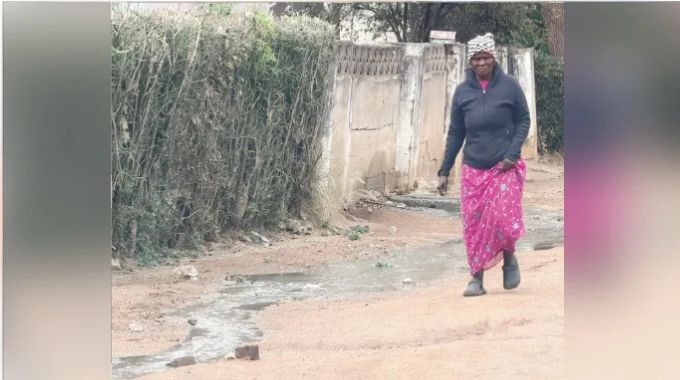
Vusumuzi Dube
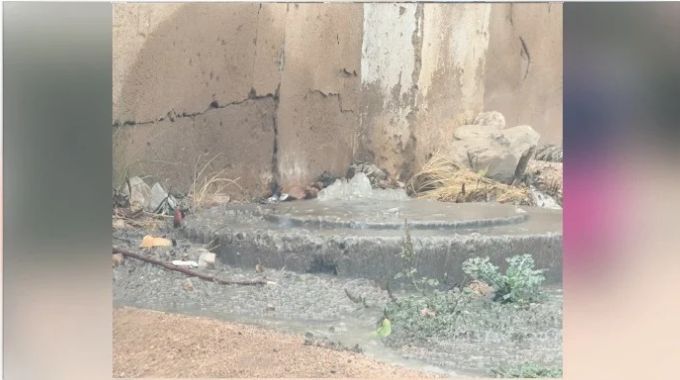
BULAWAYO is being swamped by sewer chokes, with the city receiving up to 110 reports a day but council managing to attend to less than half of them.
The result is a growing backlog of blocked sewer lines as council battles to keep up with demand using a struggling vehicle fleet.
A council report lays bare the problem, revealing that de-choking teams are attending to an average of just 40 to 48 reports a day against between 80 and 110 reports received daily.
“The Sewer workshops each had one operational vehicle hindering the response versus reports received as a result de-choking teams were attending to an average of 40 to 48 sewer choke reports a day versus 80 to 110 received reports per day leading to continuous backlog,” reads the report.
Council said the transport crisis was at the centre of the problem, with vehicles needed to respond to sewer faults either unavailable or under maintenance.
The report says 21 out of 58 vehicles — about 36 percent — were under maintenance, limiting the department’s ability to respond to service delivery demands.
“Approximately 36% of the department’s vehicles were under maintenance i.e. 21/58. This limited the ability to meet service delivery demands and timeous responsiveness to sewer chokes and leaks was constrained,” reads the report.
The situation is further worsened by a shortage of backfilling equipment.
“There was only one backfilling vehicle, and it was overwhelmed resulting in attended jobs being left open and posing several risks to the community,” council said.
Council also warned that keeping vehicles off the road was having a knock-on effect on equipment repairs.
“The continued unavailability of vehicles was significantly undermining equipment maintenance operations,” the report said.
It added that the problem was allowing minor mechanical faults to develop into major failures, resulting in higher repair costs and longer service disruptions.
The city’s sewer teams are therefore fighting a losing battle, with the number of daily complaints significantly exceeding their capacity to respond.
And council admits the demand is consistently beyond what its current fleet can handle.
Among its proposed solutions is prioritising repairs of service vehicles, expanding the fleet and procuring a dedicated tractor-loader-backhoe to reduce response times.
Council said it should “prioritise repairs of the department’s service vehicles to improve operational capacity hence service delivery response as well as consider expanding the fleet as the demand was consistently exceeding the available capacity.”
The report also identified vandalism and the disposal of foreign materials such as spoons, sanitary pads and rags as other contributors to sewer blockages.
But for now, the biggest challenge remains the numbers — up to 110 complaints coming in every day against a capacity of only 40 to 48 responses.
That gap is what is feeding the backlog and leaving council under mounting pressure to unclog the city’s sewer system.