Online Reporter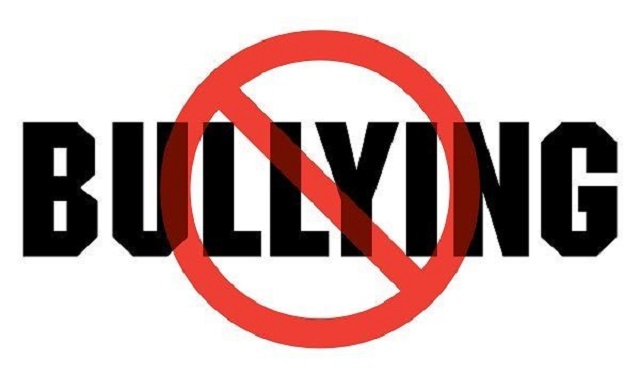
Dr Muso
IN recent times, a disturbing trend has taken root in many schools — bullying. It happens in classrooms, corridors and more commonly, on the way home from school.
A recent video circulating online shows students involved in violent fights after school, while others are being humiliated or hurt by their peers for no reason. This is not just “childish behaviour” — it’s dangerous, painful and leaves emotional scars that can last a lifetime.
Bullying is not just about physical fights. It includes name-calling, mocking, spreading rumours, isolating others or using social media to shame classmates. Some students are living in fear every day, not because of exams or homework but because they don’t feel safe at school — a place that should be their second home.
Examples of bullying in schools:
1. Physical bullying
– Hitting, slapping, kicking, pushing
– Taking or damaging someone’s belongings
– Blocking someone’s way or intimidating them physically
2. Verbal bullying
– Name-calling, insults or teasing
– Mocking someone’s appearance, background or family
– Making hurtful jokes or threats
3. Social/emotional bullying
– Spreading rumours or gossip
– Embarrassing someone in front of others
4. Cyberbullying
– Sending mean messages online or on WhatsApp
– Posting embarrassing photos or videos of someone
– Creating fake accounts to mock others
What should students who are bullied do?
1. Speak up
– Tell a trusted teacher, parent or guardian.
– Don’t suffer in silence — bullying thrives when victims stay quiet.
2. Stay calm and walk away
– Avoid reacting emotionally in front of the bully — that often gives them power.
– Walk away if you can and seek help immediately.
3. Stay safe
– Avoid being alone with people who bully you.
– Stay in groups or with friends when moving around school.
To every student reading this — being kind is not a weakness. Standing up against bullying is a sign of strength. If you are bullying others, stop. You may be causing more damage than you think. If you are a victim, speak out — tell a teacher, parent or someone you trust. Silence helps the bully, not the victim.
To teachers and parents — let’s listen more, observe more and act quickly when we see signs of bullying. Together, we can build safe, respectful learning environments where every child feels valued. Let’s end bullying.
The writer, Dr Manners Msongelwa is an author, teacher and youth coach. He can be contacted on +263 771 019 392