Online Reporter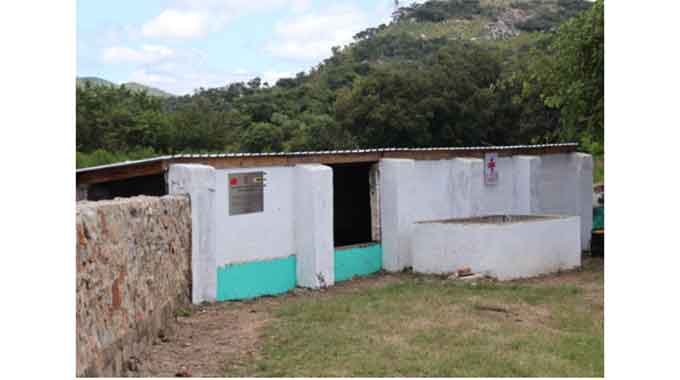
Muchaneta Chimuka
Herald Reporter
GOVERNMENT, in collaboration with China Aid, has rehabilitated a Dip Tank in Chikonda Zone, Bushu as part of efforts to fight tick-borne diseases and boost livestock production.
The rehabilitation included the installation of a solarised borehole, construction of collecting and drying pens, replacement of broken roof, construction of a blair toilet, storerooms and installation of a 10 000-litre storage tank, among other things.
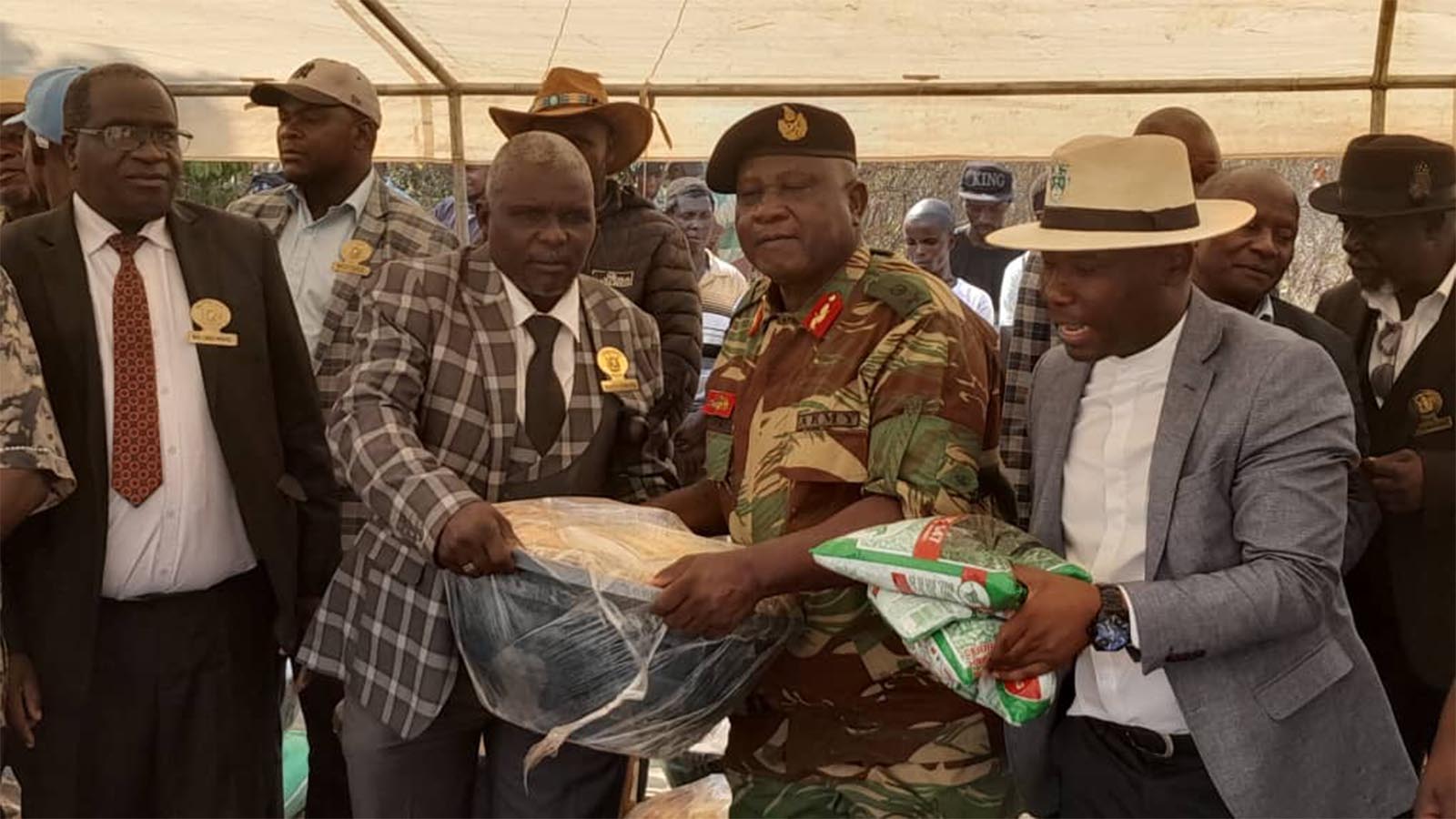
Speaking during the ceremony of the completion of China-Zimbabwe Agricultural Cooperation projects recently, Department of Veterinary Services chief director, Dr Pious Makaya said Bushu Dip Tank rehabilitation was crucial in ensuring livestock health and household livelihoods.
“Government rehabilitated the dip tank as part of efforts to enhance livestock production in the area. This is part of a broader initiative to support local farmers,” he said.
Bushu dip tank serves a population of approximately 600 cattle from ward 11 and 12 comprising of nine villages.
Dr Makaya applauded the community for participation in the rehabilitation of the dip tank.
Community members provided labour; gathered materials such as stones, sand and bricks among other things.
“We would like to appreciate the support given by Chief Bushu who mobilised the community through councillors, who participated in the rehabilitation programme. A special committee in the Livestock Development Committee played a pivotal role by hiring transport to ferry both stones and sand for the project,” he said.
He commended the community members particularly one Gatsi family for providing food to the workers.
China Aid agricultural expert, Dr Zhao Ke said they were working closely with ministries of agriculture and local Government to support agricultural initiatives.
“We upgraded and renovated these cattle dipping tanks to meet all epidemic prevention requirements—including dipping, diagnosis and treatment, immunisation and sampling—for up to 600 cattle and through technical demonstrations and extension training, we will elevate the prevention and control techniques for cattle tick-borne diseases to a new level,” he said.
Dr Zhao Ke said they had established two China-Zimbabwe agricultural cooperation demonstration villages.
“These projects are not just about infrastructure—they are about improving lives, increasing incomes and building lasting partnerships. In the Zvimba, Mashonaland West, we established a poultry hatchery centre that produces over 2 000-day-old chicks per month.
“The project supplies chicks to more than 300 households across the region. Through this initiative, some farmers are now into free-range poultry production and have increased their monthly income by US$400,” he said.
The organisation also assisted in the construction of irrigation systems in Zindi Village, Shamva addressing the village’s needs for domestic, livestock and irrigation.
“We also helped with construction of runs and a greenhouse to ensure farmers increase their income through chicken rearing, cattle farming and vegetable cultivation. We helped Shamva Agricultural College to build a poultry hatchery centre, where farmers can bring their eggs for incubation,” he said.