Chronicle Editor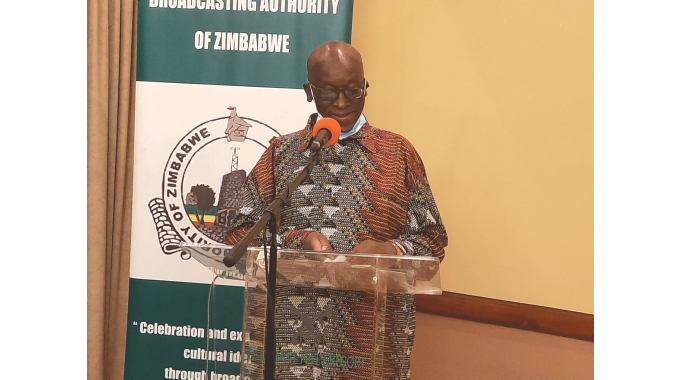
Leonard Ncube, Victoria Falls Reporter
THE business community must embrace environmental management in their operations and mainstream climate change mitigation in their projects.
Deputy chief secretary for policy analysis, coordination and development planning in the Office of the President and Cabinet, Mr Willard Manungo, said this yesterday while officiating at the 8th Annual Conference of the Chartered Institute of Procurement and Supply (CIPS) in Victoria Falls.
Mr Manungo said the Government was pursuing various procurement reform initiatives under the National Development Strategy 1 (NDS1) to uplift the country towards an upper middle-income status by 2030.
He said among the top were procurement interventions and reforms being undertaken across all of the public sector aimed at improving the procurement function in Government, parastatals, state enterprises, agencies, as well as local authorities.
Mr Manungo said the Government recognises that procurement is an important component of economic management hence the Government appreciates the oversight role that the Chartered Institute of Procurement and Supply is playing with regards to enhancing capacity building.
“Today, sustainability is probably the most seismic change and challenge for the procurement profession, as organisations increasingly come under the spotlight from governments, civil society, customers and citizens to act responsibly and ensure businesses and their supply chains are sustainable,” he said.
“Relating procurement to sustainable development outcomes and aligning organisational spending with corporate or national objectives minimises environmental degradation and generates value for money to the benefit of the economy and society.
“It’s against this background that the United Nations also views sustainable procurement from the perspective of taking social and environmental factors into consideration, alongside financial factors in making procurement decisions.”
Mr Manungo said the use of unsustainable traditional methods of production that rely heavily on fossil fuel fuels, high levels of industrial pollution, wastage of scarce resources, unsafe disposal of waste and dangerous substances and harsh working conditions should be reviewed.
The conference started on Monday and ended yesterday under the theme: “Building the Business Case for Sustainable Procurement” and was attended by procurement professionals and various stakeholders from across the Sadc region.
CIPS Zimbabwe chair, Mr Preston Hwena, said the conference provides a solid introduction to the world of sustainability. The primary objective of the conference was to equip organisations and procurement professionals with the much-needed skills to incorporate sustainability elements within their procurement systems.
CIPS is the world’s largest organisation dedicated to the procurement profession, with a global community of over 70 000 members.
In Zimbabwe it has been active for over 25 years. CIPS strives to improve procurement skills and standard, driving value for money through developing more transparency and accountability in the procurement processes.
-@ncubeleon


 Online Reporter