Online Reporter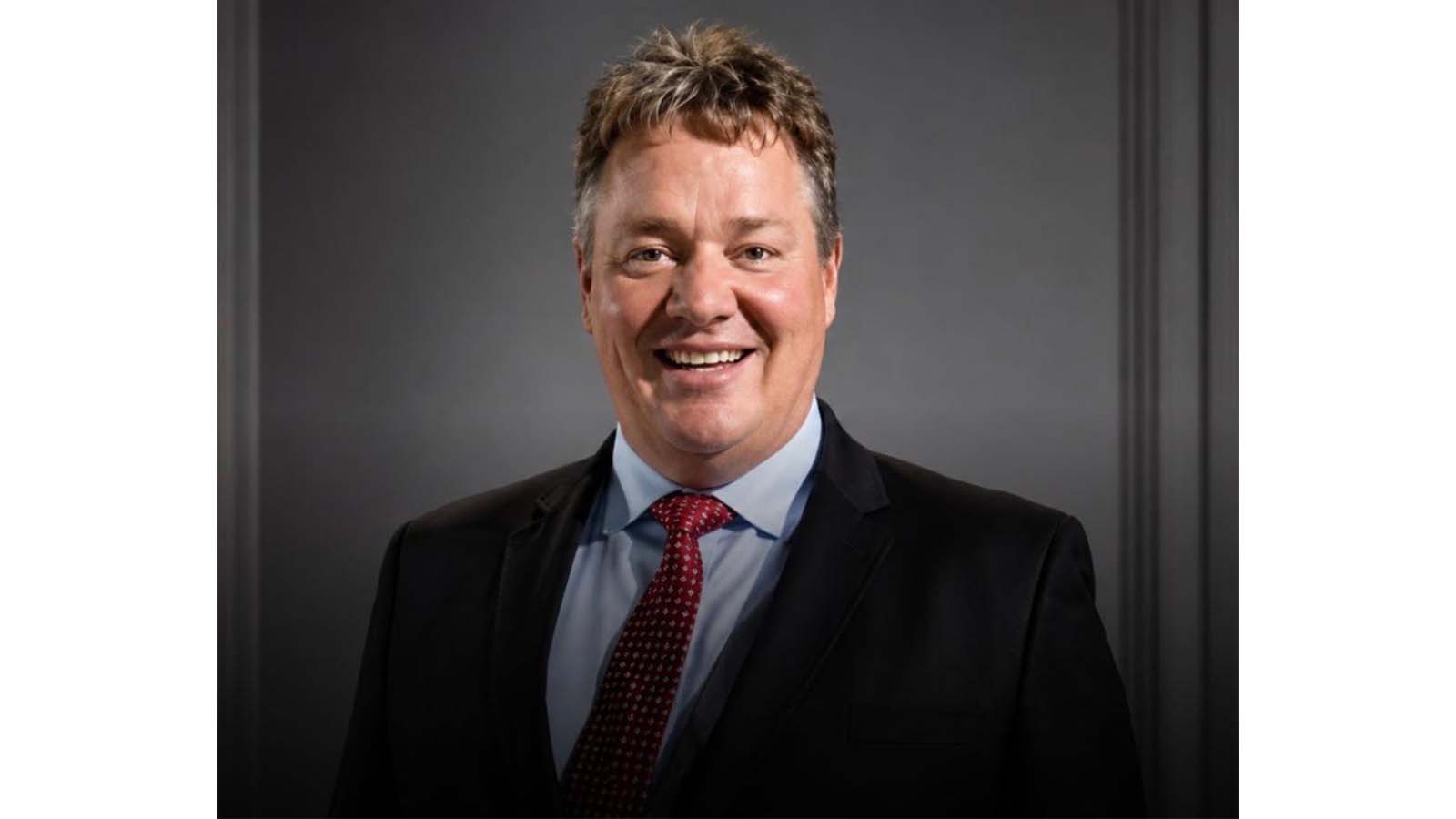
Nyore Madzianike
Senior Reporter
BUSINESSMAN Mr Simon Rudland’s industrialisation drive across multiple productive sectors is anchored on a long-term vision to unlock Zimbabwe’s productive capacity by building stronger, locally integrated value chains.
His investments span agriculture, agro-processing, manufacturing, transport and logistics, with the strategy focused on developing productive businesses that complement one another rather than operating as isolated ventures.
Following the commissioning of his US$100 million cigarette manufacturing company, Cut Rag Processing plant, in Harare by President Mnangagwa last year, Mr Rudland has recently invested US$ 40 million in citrus production in Beitbridge.
He has beefed up his transport and logistics business with the acquisition of 100 trucks through Swift Zimbabwe.
Mr Rudland said the approach was informed by the need to ensure that more value generated from Zimbabwean raw materials remained in the country, while creating productive businesses capable of competing in regional and international markets.
“Our expansion across agriculture, agro-processing, manufacturing, transport and logistics is driven by a long-term view that Zimbabwe has significant productive capacity and resources, but that these need to be connected through stronger, locally integrated value chains,” he said.
His approach dovetails with the Second Republic’s development vision, which places industrialisation, increased local production, value addition, import substitution and export growth at the centre of efforts to transform the economy and achieve sustainable economic growth.
Mr Rudland said the strategy was fundamentally about building productive businesses that complement one another rather than operating as isolated investments.
“Zimbabwe has strong agricultural potential, a capable workforce, significant natural resources and a strategic position in the region.
“However, too much value is still lost when raw materials are produced locally but processed, transported or manufactured elsewhere.
“Our objective is therefore to invest across sectors that support one another — from primary production and agro-processing to manufacturing, logistics and distribution,” he said.
He said the integrated model would help improve efficiency, reduce costs and strengthen the reliability of supply while ensuring that a greater share of the value created from Zimbabwean production remained within the domestic economy.
“Where commercially and operationally sensible, we want to develop a value chain in which agricultural production can feed into local processing and manufacturing, supported by our own logistics and distribution capabilities,” he said.
“The advantage is greater efficiency and control across the chain. It can reduce unnecessary transport and transaction costs, improve reliability of supply, create economies of scale and, importantly, allow a greater proportion of the value generated by Zimbabwean production to remain within the country.”
The Second Republic has consistently emphasised moving the economy towards greater production and value addition under its development agenda, with the National Development Strategy providing a framework for industrialisation, employment creation and export-led growth.
Mr Rudland said the private sector had an important role to play in supporting that trajectory through investments that build sustainable productive capacity.
He said the investments were expected to contribute to job creation, skills development, stronger agricultural production, increased local manufacturing and greater export capacity.
“The ultimate objective is to build sustainable productive capacity rather than simply expand the size of a business,” he said.
“We want these investments to contribute to meaningful job creation, skills development, increased local manufacturing, stronger agricultural production and greater export capacity.”
Mr Rudland also said opportunities existed to replace imports with competitive locally produced goods while exploiting areas where Zimbabwe enjoys a comparative advantage to expand exports.
“Where we can produce locally something that Zimbabwe currently imports, we believe there is an opportunity to substitute those imports with competitive domestic production,” he said.
“Equally, where Zimbabwe has a competitive advantage, our ambition is to produce at sufficient scale and quality to export into regional and international markets.”
He said the integrated approach could also enhance the competitiveness of Zimbabwean companies as they seek opportunities across Southern and Central Africa.
Looking ahead, Mr Rudland said Zimbabwe’s economic transformation would ultimately depend on expanding production and retaining more value locally.
“Ultimately, we believe Zimbabwe’s future economic growth must be underpinned by production — producing more, processing more locally, manufacturing more, moving goods more efficiently and exporting more,” he said.
He said his investment strategy represented a long-term commitment to the country’s productive economy.
“Our approach is therefore based on a long-term commitment to investing in Zimbabwe’s productive economy and building businesses that can continue to create value, employment and foreign-exchange earnings for many years to come,” Mr Rudland said.