Herald Reporters
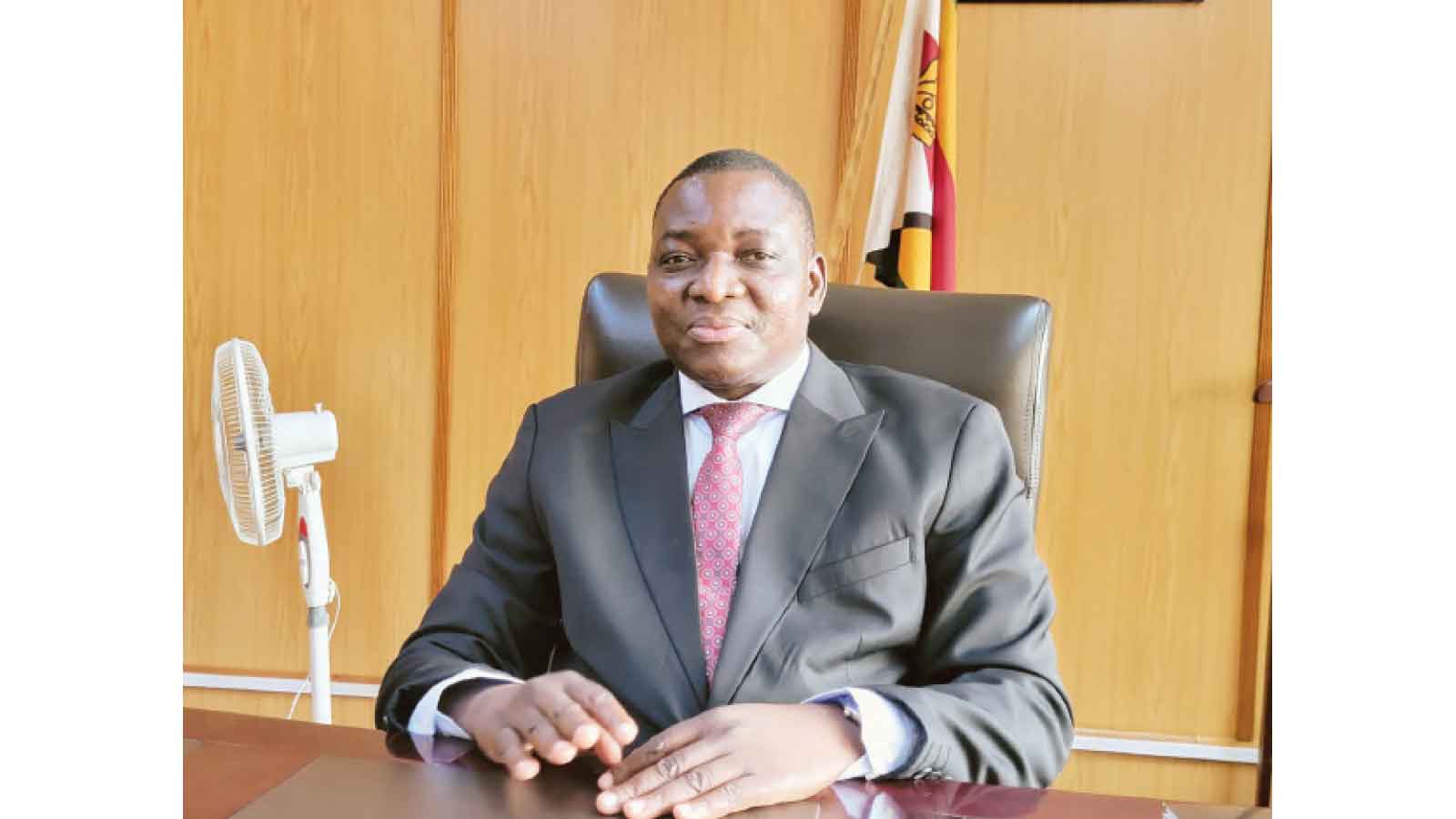
THE enactment of Constitution of Zimbabwe Amendment Act No. 3 of 2026 is a collective national achievement that reflects the will of Zimbabweans and the strength of the country’s democratic processes, Information, Publicity and Broadcasting Services Minister Dr Zhemu Soda has said.
This comes as the Government has indicated that it will now roll out an education campaign on the Act to raise awareness so that people are conversant with its provisions.
In a statement, following President Mnangagwa’s assent to the Bill, Dr Soda said the constitutional amendment was the culmination of an inclusive and participatory process involving citizens, Parliament and other stakeholders.
“CAA3 is not an achievement of any one individual, political party or institution. It is a collective milestone for all Zimbabweans who participated in shaping our constitutional future,” he said.
The President’s assent to the Bill and its subsequent gazetting, said Dr Soda, marked the beginning of a new constitutional dispensation anchored on broad public participation and constitutionalism.
He said public hearings also reflected overwhelming support for the constitutional reforms, with several people backing the Bill.
“The process was not merely a legislative exercise; it was a national conversation between Parliament and citizens that reaffirms the strength of our democracy. Your voices have been heard. Your contributions have been valued,” said Minister Soda.
He commended Parliament for discharging its constitutional mandate, saying the Bill secured the required two-thirds majority in both the National Assembly and Senate before it was presented to President Mnangagwa for assent.
Minister Soda said the overwhelming public and parliamentary backing underscored the national consensus that informed the constitutional reforms.
He said the Act would strengthen State institutions, improve policy continuity and create a more coherent governance framework by addressing electoral cycles.
“CAA3 is more than an amendment; it is a milestone representing our collective resolve to create a more coherent governance framework by addressing electoral cycles, strengthening our institutions and improving policy continuity,” he said.
Minister Soda urged Zimbabweans to embrace the new constitutional dispensation and continue working together to build a prosperous and united nation.
“CAA3 is not an end, it is a beginning. It is the foundation upon which we will build a brighter future for generations to come,” he said.
In a related matter, Justice, Legal and Parliamentary Affairs Minister Ziyambi Ziyambi said there will be an education awareness on the Constitution of Zimbabwe Number Three Act as part of raising awareness of the provisions of the law.
“The Bill is now an Act of Parliament, and what we now need is to conscientise the generality of our people on the provisions of the Act, so that once it’s operationalised, people will be able to appreciate what is in the new constitutional provisions,” said Minister Ziyambi in an interview.
He said one of the provisions is the creation of the Delimitation Commission to take over from the Zimbabwe Electoral Commission the role of demarcating election constituency boundaries.
“We then also had to create a delimitation commission that is separate from ZEC, to ensure that we accept specialised individuals who deal specifically with delimitation and allow the electoral board to deal with issues of elections alone,” said Minister Ziyambi.
“We believe that this allows the electoral board to be a specialised electoral organ that specialises in election issues only. And this is what we did and we believe that history has been made. We are very thankful to His Excellency for assenting to the Bill.”
He described the signing of the law by President Mnangagwa as a milestone achievement.
“I think this is a milestone achievement that our Parliament did. You will recall that when we started this whole process, it started as a resolution of the party. And we had to do a lot of research to look at our Constitution, how we can ensure that the resolution is realised,” said Minister Ziyambi.
“When we did the research, we then came up with the areas that we felt that after more than 10 years with our constitution, the 2013 constitution, there were areas that we needed to reform and refine to ensure that our governance architecture is enhanced, to ensure that our developmental trajectory is maintained. So we then looked at our electoral cycle and we said, as a mature democracy, which we believe we are now, we needed a cycle that allows continuity.”
He said there was a need to have an election cycle that allowed long-term projects.
Under the new law, the election cycle of the President, Members of Parliament and councillors will be extended from the current five to seven years.
“We needed a cycle that allows long-term projects to be realised, at the same time ensuring that we reduce that electoral toxicity that had bedevilled us. So we came up with the Bill, CAB3, that included all those clauses, then to deal with the electoral cycle, to deal with reducing toxicity surrounding the electoral cycle, to deal with the manner in which we elect our president,” said Minister Ziyambi.
President Mnangagwa signed the Act on Tuesday to conclude the constitutional reform trajectory that started during a Zanu PF National People’s Annual Conference in 2024 in Bulawayo.