Online Reporter
Peter Matika, [email protected]
CABINET has announced plans to fast-track the implementation of a cutting-edge, home-grown Smart Traffic Management System. The development follows the successful testing of a Proof of Concept, which was approved by Cabinet in 2020 and trialled during the Covid-19 pandemic.
Speaking during a post-Cabinet media briefing yesterday, the Minister of Information, Publicity and Broadcasting Services, Dr Jenfan Muswere, said the project aims to address unnecessary traffic congestion, reduce road accidents and curb violations of traffic laws.
“This innovative system utilises advanced technologies such as the Internet of Things (IoT), artificial intelligence (AI) and big data analytics to improve traffic flow, road safety and transparency,” he said.
Dr Muswere explained that the system, developed by TelOne, comprises several core components. These include command and control centres, intelligent cameras with automatic number plate recognition (ANPR) and facial recognition capabilities, AI-powered video analytics, a platform to predict traffic patterns and optimise signal timings, and an enforcement mechanism that automatically issues fines. The system also features mobile interfaces for fine payments and real-time updates.
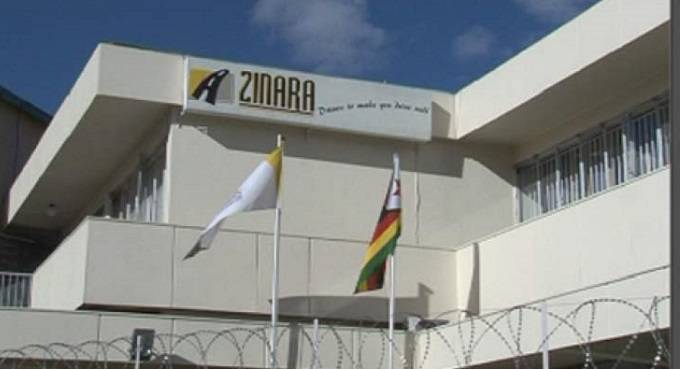
“The home-grown Smart Traffic Management System is tailored to address Zimbabwe’s specific challenges within the law-and-order sphere. It can identify vehicle owners through captured images and integrated databases from the Zimbabwe National Road Administration (Zinara), the Central Vehicle Registry (CVR), and the Civil Registry,” said Dr Muswere.
The technology is capable of detecting a wide range of traffic violations, including red-light jumping, speeding, ignoring stop signs, wrong-way driving, illegal parking, failure to wear seatbelts, and violations of traffic signs, road markings, or lane discipline.
Dr Muswere said that the system alerts offenders and allows them to review evidence of the infraction.
“Additionally, the system is configured for broader crime management tasks, such as crowd detection and monitoring, as well as identifying pickpocketing and loitering, among others. The roll-out will proceed in phases, beginning with Harare and Bulawayo, before expanding to other major urban centres,” he said.
For effective implementation, key enablers will be closely monitored. These include a robust project governance framework, reliable power supply, stable internet connectivity, and strategic integration with relevant platforms and institutions.
Dr Muswere also noted that specialised courts would support the system by expediting the delivery of justice.
“This localised approach is expected to foster knowledge transfer, skills development and national pride, while encouraging self-reliance and sustainability,” he said.

A few weeks ago, police publicly named and shamed traffic offenders captured by strategically installed street cameras in Harare and Bulawayo.
A Smart Traffic Management System is an integrated technological solution that uses real-time data, communication networks, and advanced algorithms to optimise traffic flow, enhance safety and improve overall transport efficiency.
These systems deploy sensors, cameras, and other technologies to monitor traffic conditions, detect incidents and adjust traffic signals, signage and other infrastructure elements as needed.
Devices installed at intersections and along roads collect data on traffic volumes, speeds and congestion levels. This data is transmitted over high-speed networks, such as 5G, which are essential for real-time communication between sensors, control systems, and other key components.
Traffic signals are dynamically adjusted based on live traffic conditions to reduce congestion and minimise delays. The systems can promptly detect accidents or other disruptions, alert authorities, and enable faster emergency response, thereby reducing the risk of secondary accidents.
Emergency vehicles can also be prioritised at traffic signals to ensure they reach their destinations quickly during critical situations.
Road users receive real-time updates on traffic conditions, helping them make informed decisions about routes and travel times. Advanced algorithms analyse data to identify trends, forecast traffic behaviour, and refine management strategies.
By streamlining traffic flow, these systems can significantly reduce congestion during peak hours, help prevent accidents through hazard identification and improve driving behaviour by deterring traffic offences.
Efficient traffic management also contributes to reduced fuel consumption and lower emissions, offering environmental benefits. It ensures faster and more reliable travel for commuters and other road users.
Moreover, Smart Traffic Management Systems can optimise infrastructure investments and reduce the economic costs associated with congestion and road accidents. Data collected through these systems can also be leveraged to enhance public transport routes and inform urban planning.
Importantly, the technology offers drivers real-time traffic information and alternative route options, enabling them to avoid congestion and arrive at their destinations on time.