Chronicle Editor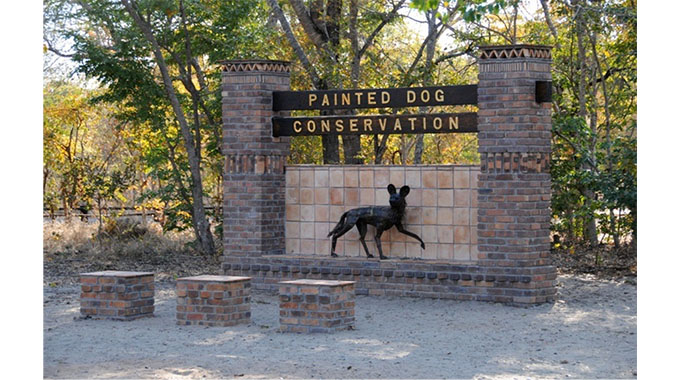
Leonard Ncube recently in Hwange
COMMUNITIES living near game parks and protected forest areas have been urged to actively participate in environmental and wildlife conservation to promote consumptive and non-consumptive tourism in their areas.
Areas around Victoria Falls, Hwange, Lupane and Tsholotsho that border with Hwange National Park and others, act as animal corridors where human-wildlife conflict is prevalent.
Such communities could benefit from presence of the animals through sustainable environmental activities that include not cutting down trees, protecting wildlife from poaching and responsible land use, tourism industry experts say.
Painted Dog Conservation (PDC) in Hwange is spearheading a volunteer community anti-poaching unit in Mabale, Nabushome and Dopota areas where villagers have organised themselves into groups and were trained in patrolling nearby wildlife sanctuaries removing wire snares and preventing poaching activity.
Their activities are mostly in the areas managed by Forestry Commission between the game park and communities where villagers graze their cattle and harvest timber and wood.
The programme started in 2015 and to date more than 100 volunteer anti-poaching unit members have been trained and have removed thousands of wire snares from the bush.
Small game that had migrated from near communities is slowly making its way back because of reduction in poaching activities.
Tourists visit game parks to view animals and villagers also believe village tourism can be promoted where clients can visit communities for cultural exchange programmes and at the same time view small game.
Communities sometimes endure human-wildlife conflict especially in encounters with elephants, lions, hyenas and buffaloes.
Tourism experts believe such communities can co-exist with animals if they get value from these natural resources.
In Victoria Falls, tour operators drive tourists to communities for village tours and in most cases communities do not benefit.
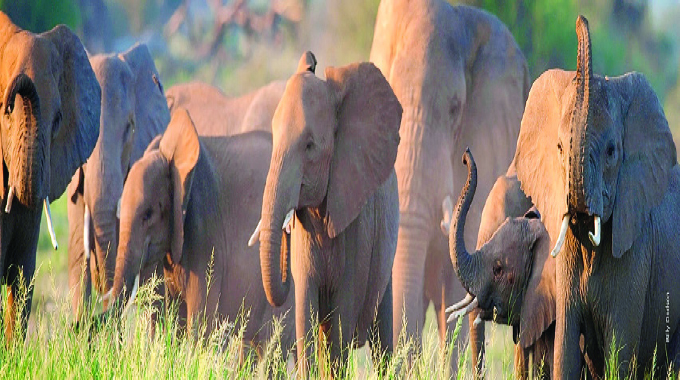
“Yearly, animals pass through our area going to drink water at Gwayi River. With this programme we have managed to reduce prevalence of ensnaring of animals and we have seen small game coming back,” said Mr Fanuel Ncube, chairperson of Dopota group of volunteer rangers.
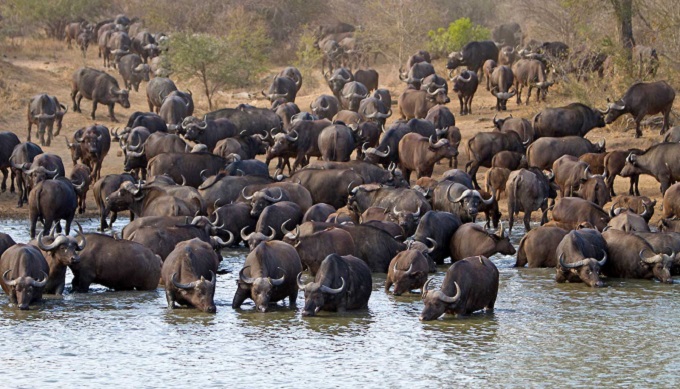
“We wish we could have photographic tourism here where clients can come to view game right in communities and this can help develop our areas.”
Mrs Sibongile Ndebele of Nabushome said the programme has yielded positive results in the protection of wild dogs.
PDC education and community programmes manager, Mr Wilton Nsimango, said the volunteer programme has helped change behaviour in the community as villagers are now responsible and respect natural resources. — @ncubeleon



 Online Reporter