Online Reporter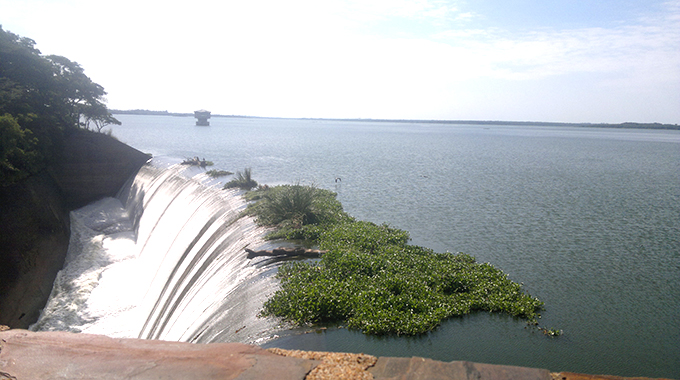
Ivan Zhakata-Herald Correspondent
THE Harare Residents Association has called for the enforcement of environmental and local council by-laws to curb the continued pollution of the capital’s major water sources.
In a statement, on World Lake Day yesterday, residents under the Combined Harare Residents Association (CHRA) said Lake Chivero and Lake Manyame – both Ramsar sites and Harare’s main water sources – were heavily polluted by industrial effluent and raw sewage from the city’s failing sewer reticulation system.
“We bemoan the unbridled pollution in these lakes, emanating from the lack of enforcement of environmental laws and municipal by-laws,” reads the statement.
“It has become low-cost for industries to pollute water rather than comply with environmental regulations.”
CHRA blamed weak enforcement of the polluter pays principle enshrined in Section 57 of the Environmental Management Act (EMA), which requires polluters to cover the costs of cleaning up and restoring damaged environments.
The association also accused industries of disregarding Section 59 of the Act, which compels them to install treatment plants before discharging effluent.
“The death of aquatic life and wildlife at Lake Chivero in December 2024 and the subsequent indefinite ban on fishing activities are a clear indication that pollution has reached alarming levels,” reads the statement.
The residents’ group called on the City of Harare and the Environmental Management Agency (EMA) to enforce environmental laws without fear or favour and said that the current crisis threatens biodiversity, livelihoods and water security in the capital.
It also recommended the creation of an independent water and wastewater regulator under the Ministry of Lands, Agriculture, Fisheries, Water and Rural Development, domestication of the Ramsar Convention and declaration of Harare as a Wetland City, as well as urgent rehabilitation of Harare’s sewer reticulation system.
CHRA further urged presidential intervention through a disaster declaration under the Civil Protection Act and said extraordinary measures were now necessary to avert a full-blown ecological and public health crisis.
“This year’s observance of World Lake Day brings to light the urgent need for action to combat the pollution that threatens not only public health, but also food and water security and biodiversity of these critical ecosystems,” reads the statement.
Lake Chivero, commissioned in 1952, supplies most of Harare’s drinking water.
However, decades of urban expansion, industrial waste and poor sewer management have left it choking with pollutants, algae blooms and declining fish populations.