Online Reporter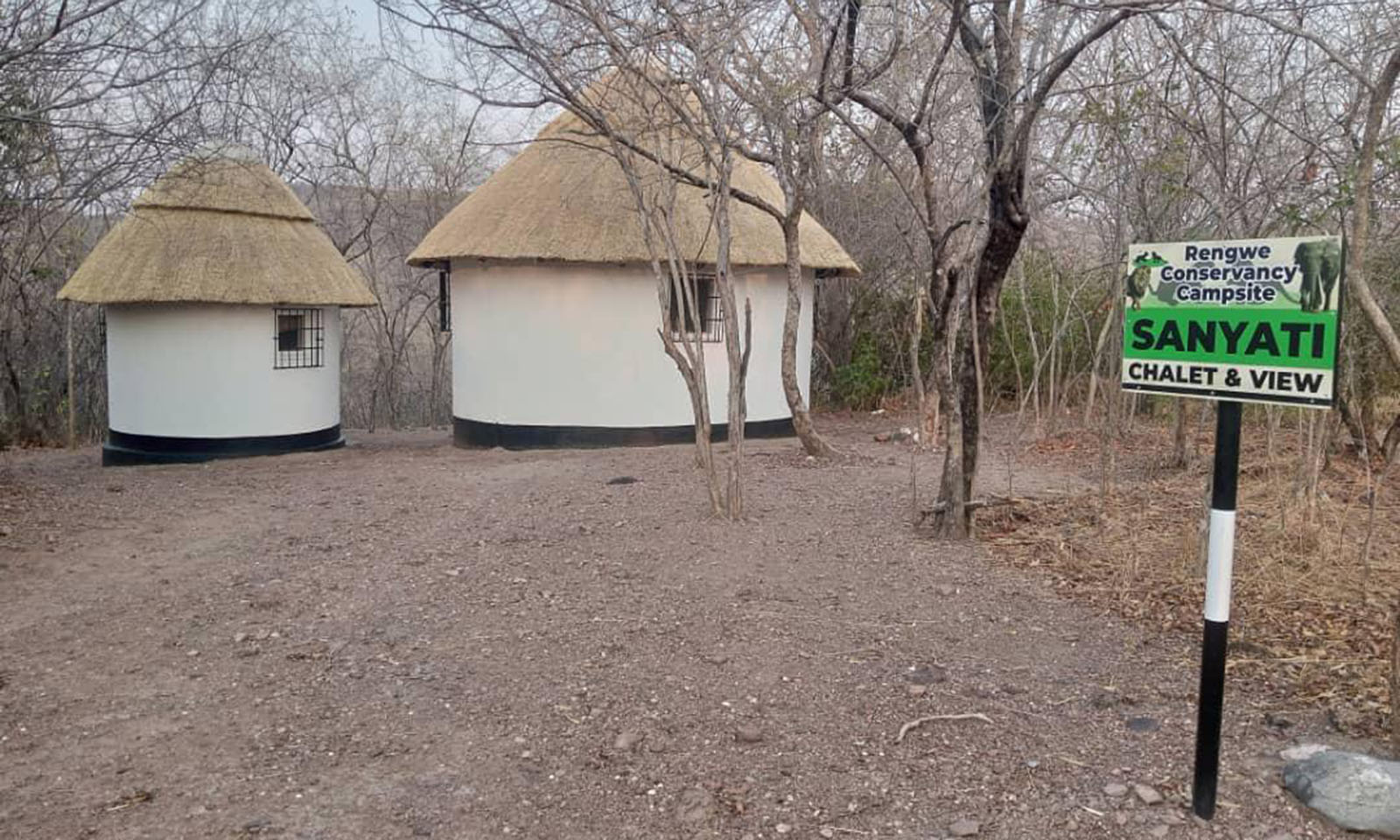
Richard Muponde
IN the heart of Sanyati, nestled along the silent banks of Munyati River, stands a place that many would rather quickly forget, a relic of pain, blood and betrayal.
Sanyati Rest Camp, once a riverside leisure haven for white settlers in colonial Rhodesia, shed its skin of serenity. Its name now evokes horror.
A place of laughter and cocktails was turned into a theatre of terror, a butcher’s den, where the Rhodesian army unleashed some of the most brutal atrocities as Zimbabwe’s liberation war raged.
Originally established in 1954 as a rest and recreation centre for whites, the camp became a central node of oppression as the liberation war intensified.
It later housed Rhodesian soldiers and was transformed into a base for operations meant to strangle the freedom movement.
What followed was a chilling descent into organised terror, mass torture, executions, parading of bodies and psychological torment, all sanctioned by the colonial regime.
What happened in and around Sanyati Rest Camp is not just a story of war. It is a festering wound still visible in the eyes of the villagers, the cracks of abandoned buildings and the unmarked shallow graves.
The camp rapidly degenerated into a slaughterhouse, where locals suspected of aiding freedom fighters were dragged in for interrogation and torture.
Villagers were whipped, burnt and electrocuted. Some were forced to witness the desecration of bodies of freedoms fighters.
Captured fighters were locked in rooms with corpses, a tactic designed to break their spirits. Some never came out alive.
Bodies of freedom fighters slain in Chenjiri, Nyimo and Kasiriri were brought to the camp while tied to army trucks. The lifeless bodies were displayed like hunting trophies.
Villagers were forced to gather and watch as the Rhodesian soldiers desecrated the fallen fighters, a macabre display of power meant to instil fear.
One of the most harrowing cases is that of Lungile Ndlovu, alias Cde Tinashe, a 17-year-old fighter from Filabusi.
Killed in battle in Chenjiri, he was one of eight cadres whose bodies were paraded before being dumped in a shallow grave near Munyati River.
In a cruel twist of fate, another cadre was captured alive, forced to drink poisoned tea and buried hours later.
Then there was Cde Themba, a respected battalion commander from Gokwe Njelele, who was betrayed by a village sellout. His naked body was dragged 30 kilometres from Nyimo Business Centre to the camp and paraded before being dumped in a mass grave that already held three others, a grotesque mockery of death and dignity.
The Fallen Heroes Trust of Zimbabwe has identified the remains of at least 30 ZIPRA cadres in shallow graves near the camp.
The Zimbabwe National Army bomb disposal unit cleared explosives and exhumations are set to begin later this month, a small but significant step towards truth and justice.
Village head Mr Themba Mazhata, a survivor of the camp’s brutality, recalls his torment: “This place was a torture camp. Rhodesian soldiers used to come here and kill locals. I was tortured repeatedly because I shared a name with Cde Themba.
“My father was a headman and I only found peace after Cde Themba died. The camp holds bitter memories, of death, pain and betrayal. It keeps opening war scars.”
Mr Mazhata has joined many in calling for the site to be turned into something meaningful — a vocational training centre or an early childhood development (ECD) school.
He points to the existing infrastructure, including a transformer that still stands, albeit unused and leaking.
“This place can serve our children instead of haunting us,” he said.
Cde Lovemore Chimombe, who lives in the area, in Arda, echoes the same heartbreak.
“They used to bring bodies here, sometimes stripped, tied to army trucks. Villagers were forced to watch. They would drink beer as they paraded corpses. This place is cursed with trauma. We have begged MPs to transform it, but they are yet to take action,” said Cde Chimombe.
Chief Wozhele, in whose jurisdiction the camp falls, is disturbed by the place’s abandonment.
“It’s becoming an eyesore. Roofing sheets and doors are being stolen. Thieves are looting the place,” he said. “It must be preserved or transformed, or at least declared a heritage site. I appeal to President Mnangagwa to intervene. We must protect what’s left, not let it rot.”
The suffering caused by the Rhodesian military machine at Sanyati Rest Camp runs deeper than broken walls and graves.
A community-led healing process, perhaps involving spiritual cleansing ceremonies and psychological counselling, may be needed.
Traditional leaders, churches, youth groups and Government ministries have to collaborate to rebuild the area, restore dignity and educate the next generation about the true cost of freedom.
Places like Sanyati Rest Camp should not be allowed to decay into irrelevance. They must be documented, preserved and transformed, not just for memory’s sake, but to reinforce Zimbabwe’s liberation legacy.
These sites can be turned into museums, training centres or peace parks, spaces that heal rather than hurt.
The Rhodesian regime’s ruthless campaign left many victims missing, some still lying in unmarked graves across the country.
Sanyati Rest Camp is but one chapter in a national tragedy, a place soaked in blood and silence.
To transform it is to honour the fighters’ sacrifices and inspire new generations to treasure peace.
As Zimbabwe continues to define itself in the post-independence epoch, let the painful legacy of places like Sanyati be remembered, not as eternal scars, but as marks of resilience.
In every shallow grave, in every haunted corridor and in every tear shed by a surviving villager lies the soul of a nation that refused to surrender.