Online Reporter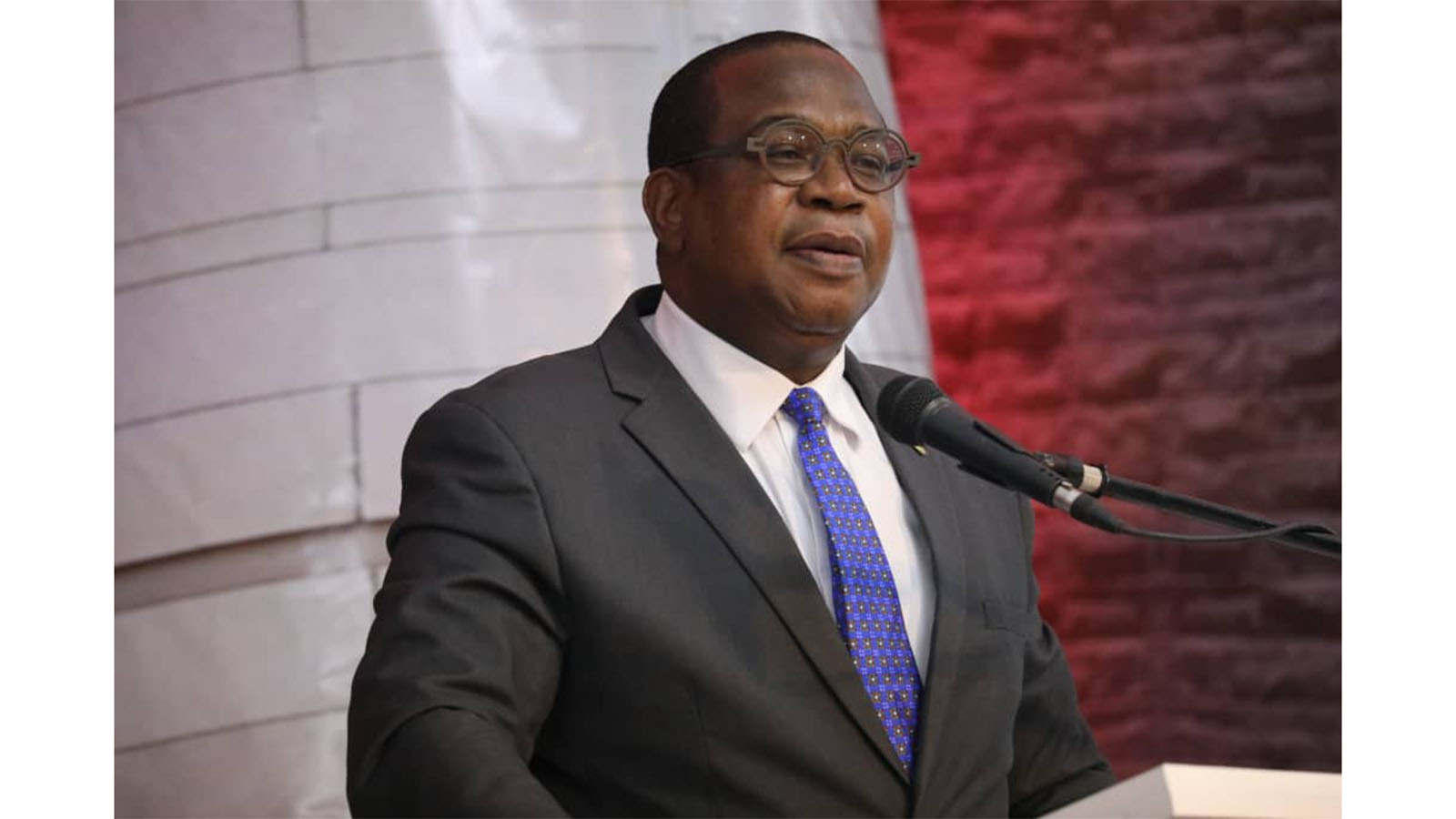
Zimpapers Business Hub
THE Government has been urged to prioritise the needs of the marginalised and vulnerable in the 2026 Budget while ensuring fiscal discipline, accountability and constitutional adherence in budget execution.
This came up at a pre-budget seminar in Bulawayo, where calls for a pro-poor, inclusive and transparent Budget took centre stage.
Participants emphasised the need for the Budget to directly address social protection, service delivery, job creation and equitable access to resources.
Held under the theme “Enhancing Drivers of Economic Growth and Transformation Towards Vision 2030”, the seminar brought together parliamentarians, policymakers, economists and representatives of civic society to shape fiscal priorities for the coming year.
Presenting key outcomes from the seminar, Parliamentary Portfolio Committee on Budget, Finance and Investment Promotion chairperson Mr Lincoln Dhliwayo said the 2026 Budget must reflect voices of the people.
“The public strongly emphasised that the upcoming Budget should be pro-poor, prioritising the needs of marginalised and vulnerable groups to foster inclusive national development,” he said.
“Participants commended Parliament for engaging communities to gather submissions that shape the fiscal policy landscape through the 2026 National Budget.”
Delayed disbursements
There were concerns over delayed disbursement of funds to ministries, which continues to undermine effective service delivery in critical sectors such as health, education, agriculture and social welfare.
Speaker of the National Assembly Advocate Jacob Mudenda challenged Treasury to uphold Parliament’s constitutional authority by ensuring full and timely disbursement of approved allocations.
“The Budget discourse should boldly confront the persistent and vexing dichotomy between what Parliament appropriates through its constitutional authority and what Treasury actually disburses to Parliament and implementing ministries, departments and agencies,” he said.
“This incongruence represents a fundamental breach of constitutional expectations and undermines the integrity of the Appropriation Act and the entire fiscal framework.”
Failure to align appropriations and disbursements, he said, undermines Parliament’s oversight role and credibility of the fiscal system.
“When Treasury fails to disburse approved allocations, it effectively eviscerates Parliament’s oversight role and leaves MDAs (ministries, departments and agencies) gasping for resources to fulfil their mandates. Alignment between appropriations and disbursements is not an administrative courtesy but a constitutional imperative,” Adv Mudenda said.
Stakeholders also commended the stability of ZimGold (ZiG), describing it as a positive step towards restoring confidence in the local monetary system.
However, they urged increased liquidity and consistent supply across all regions.
“While the introduction of ZiG has been welcomed, significant shortages were reported in several districts, particularly in the southern parts of the country,” Mr Dhliwayo reported.
“To facilitate efficient transactions, stakeholders proposed increased injection of ZiG into the economy, improved availability and active promotion of its use in both the formal and informal markets.”
“There was strong public outcry over the rejection of ZiG currency in some regions and the refusal of torn banknotes, with citizens urging the Government to enforce mandatory acceptance of ZiG as legal tender.
“Any rejection should attract stiff penalties, and there should be clear regulations ensuring that torn but valid notes are accepted,” Mr Dhliwayo said.
Farmers and rural representatives called for timely payments by the Grain Marketing Board (GMB) and Cottco, an 80 percent upward review of grain prices and greater investment in irrigation, mechanisation and climate-smart agriculture. “Mechanisation must be scaled up, with at least one tractor per ward to support land preparation,” added Mr Dhliwayo.
“Investment in early maturity crop varieties is essential to mitigate climate variability and ensure food security.”
There was also a proposal for two irrigation schemes per ward to support nutrition gardens and village business units, with emphasis on timely fund disbursement to boost productivity.
On energy, participants were told of the need for expansion of public-private partnerships (PPPs) to harness hydro and solar potential, and replication of mini-hydropower projects such as Lake Kyle to other water bodies.
“They also called for higher feed-in tariffs above US$0,12 to attract independent power producers and classified power supply to schools and hospitals as a social service deserving priority.”
Affordable tourism products for locals
Tourism and Hospitality Industry Minister Barbara Rwodzi said domestic tourism must be promoted through affordable pricing models for locals.
“We must promote domestic tourism for locals and provide pricing scales that are more affordable to them,” she said.
“The ministry should facilitate investment in meetings, incentives, conferences and exhibitions (MICE) facilities in key destinations such as Victoria Falls to position the country for international events.”
Finance, Economic Development and Investment Promotion Minister Professor Mthuli Ncube proposed a balanced fiscal adjustment, suggesting a 0,5 percent reduction in the intermediated money transfer tax (IMTT), offset by an equivalent increase in value-added tax (VAT).
“We can reduce IMTT by half a percent but provided we are allowed to increase VAT by half a percent,” said Prof Ncube.
“We need that revenue, or else we cannot function.”
He outlined 10 priority areas guiding the 2026 National Budget, anchored by the forthcoming National Development Strategy 2 (NDS2).
These include macroeconomic stability, infrastructure and housing, agricultural productivity, climate resilience, digital transformation, job creation, social development, gender and social inclusion, national image building and good governance.
Calls were also made to improve the remuneration of civil servants, particularly in the health and education sectors, to curb brain drain. “The public called for a 75 percent salary increase for all public servants, alongside pension adjustments to meet or exceed the poverty datum line,” Mr Dhliwayo said.
On social protection, participants pushed for increased funding for vulnerable groups, the elderly, orphans and persons with disabilities, as well as the establishment of dedicated homes for the elderly to strengthen the social safety net. Further, there was a lobby for a reduction of bank charges and streamlined registration and licensing processes to enhance financial inclusion and growth of small and medium enterprises.
“The public applauded Cabinet’s measures to streamline regulatory processes and reduce bureaucratic hurdles,” added Mr Dhliwayo.
“However, they urged that reforms be swiftly aligned through legislation to ensure timely implementation.”
In addition, stakeholders called for accelerated reindustrialisation and operationalisation of special economic zones (SEZs), especially in rural areas, to drive value addition and employment creation.
Proposed SEZs include Nyanga (wood processing), Chipinge and Chimanimani (fruit processing), Midlands (gold refining), Matabeleland South (livestock processing), Tsholotsho (timber production) and oil exploration in Lupane.