
Arron Nyamayaro
Electronic traffic-management cameras and cooperation between police, businesses and residents are helping to reduce crime in Harare’s central business district, a senior police officer has said.
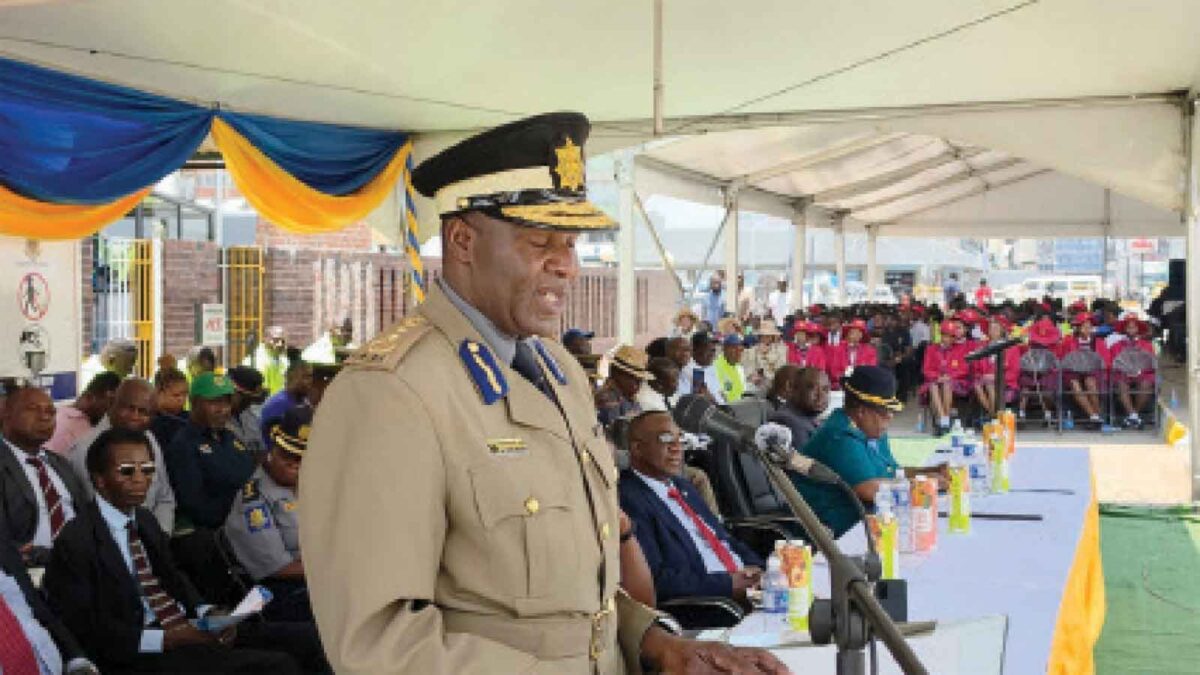
Addressing the Safe City, Secure Community Mega Campaign on Friday, Harare provincial police commander Commissioner Maxwell Chikunguru said overall crime in the province had fallen by 5 percent compared with the same period last year.
He said joint crime-prevention efforts were “bearing fruit”, although armed robbery, domestic violence, drug and substance abuse, and theft of property remained concerns.
“Crime remains a concern, but there are practical steps we can take, individually and collectively, to prevent it,” Chikunguru said.
“Crime prevention becomes effective when businesses, law enforcement and the broader community work together.”
The event brought together church leaders, security companies, fuel-service station operators, transport operators and associations, bankers, traders and vendors.
Before the speeches, police led a march through the CBD. Participants included mounted police, sniffer dogs, security guards, the Christian Community Police Network, the Land Rover team and members of Crime Liaison Committees. The march ended outside Harare Central Police Station.
Chikunguru urged businesses and residents to prioritise prevention, including improving lighting, securing doors and windows, controlling access to premises and installing well-maintained security cameras and alarm systems.
He said cameras should cover entrances, exits and other important areas, with recording equipment kept in a separate, secure location. Alarm systems, he added, should cover entry points and be linked to nearby police stations where possible.
Cash-handling procedures were also important, he said. Businesses should limit the amount of cash kept on site, make regular bank deposits and vary their banking routines to avoid predictable patterns.
Chikunguru encouraged employers to vet prospective staff, separate financial duties and restrict access to keys, passwords, safe combinations and other sensitive information. He also urged employers to pay workers fairly and on time.
“We have encountered cases where domestic workers or other employees have allegedly worked with criminals,” he said. “Please vet people before employing them.”
He warned that information about a business’s security arrangements or finances could put owners and staff at risk if it reached criminals. In some robbery cases, he said, offenders appeared to have known where money was kept or when owners would be away.
The commissioner also called on residents and businesses to work more closely with police. He said Harare planned to establish “Crime Prevention Sectors” where communities, law enforcement and businesses could cooperate on public safety.
Residents were encouraged to look out for unusual activity, share relevant information and report concerns to police. Where neighbourhood watch groups do not exist, communities should work with local police stations to establish them, he said.
Chikunguru also raised concerns about drug and substance abuse and domestic violence, warning that disputes within families and relationships could escalate into serious violence.
“Domestic violence is not an issue that should be dismissed as a private family matter,” he said.
He urged people experiencing abuse to seek help and report it before the situation worsened.
He warned transport operators against picking up or dropping off passengers at undesignated points, and said police would take enforcement action against those who continued to break the law. He also condemned touting, harassment of passengers and fights at ranks.
Commuters were urged to use registered public transport and board at designated points. Chikunguru cautioned private motorists against illegally carrying passengers for payment, saying some drivers had been robbed after picking up criminals.
“If operators, touts, private vehicle owners and commuters all play their part, we can restore order and make our city safer,” he said.
The commissioner said police would continue patrols and increase visibility in the CBD.
He added that the force had revived cycle patrols in the Avenues and had received technology-assisted crime-prevention equipment.
He also urged the public to report police corruption or abuse of office, saying the organisation had “zero tolerance” for such conduct.
Confederation of Zimbabwe Retailers president Denford Mutashu, who also addressed the gathering, urged supermarkets to put public health first by avoiding the sale of counterfeit and expired products.
He encouraged retailers to strengthen security systems, invest in surveillance technology, improve internal controls and report crime promptly.
Mutashu also praised the electronic traffic-management system, saying technology-based monitoring could improve road compliance and accountability.
“The human cost of road accidents remains a serious concern. Every life lost on our roads is one too many,” he said.