


 Online Reporter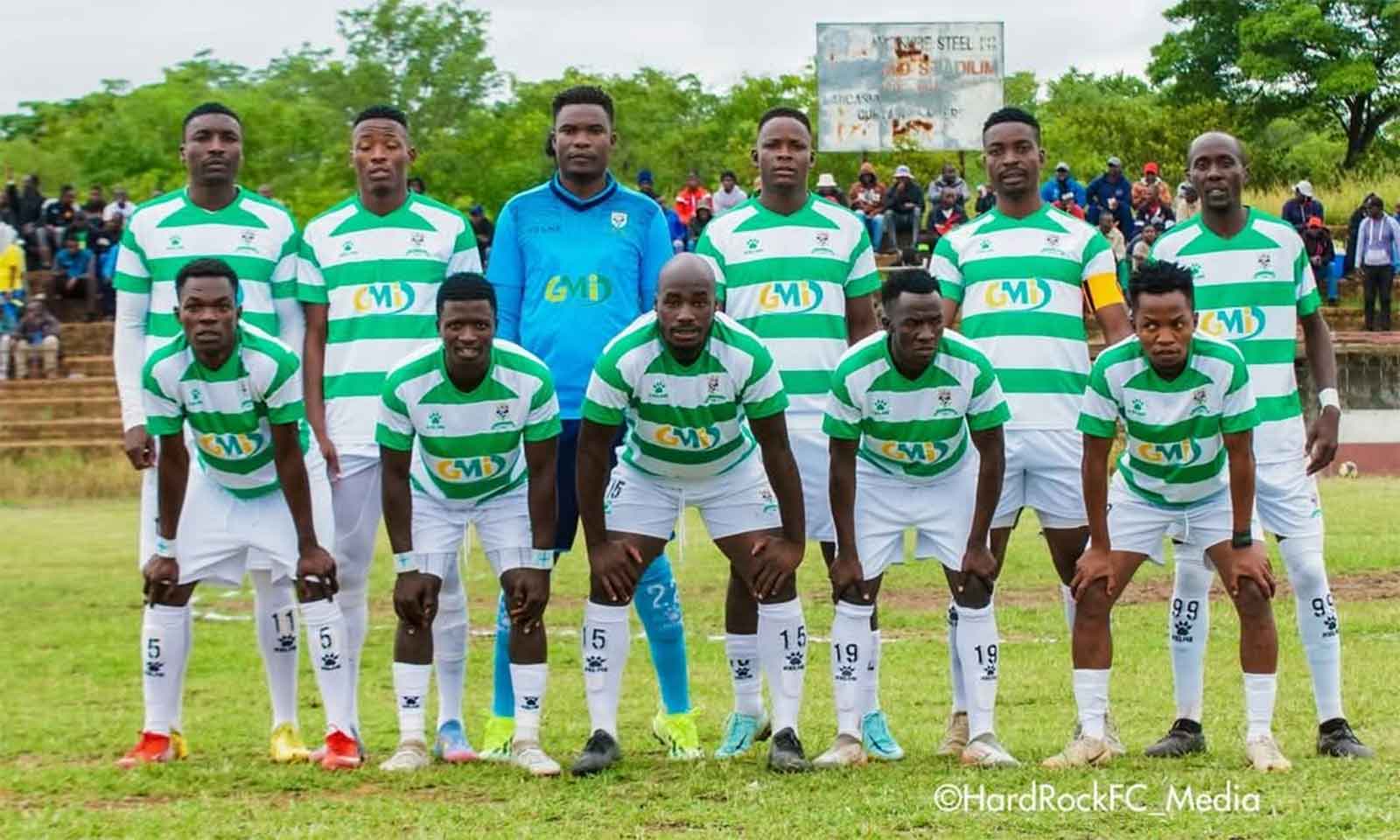
Veronica Gwaze-Zimpapers Sports Hub
THE Premier Soccer League (PSL) has never been gentle on new arrivals. It tests talent, ambition and the bank account behind every badge.
Over time, the league has shifted into something sharper, a place where football ideas rise or fall on the strength of the funding that keeps them alive.
What once worked for community clubs is no longer enough. The economic landscape has changed, and four newcomers must now confront it head-on.
Hardrock FC, Agama FC, Hunters FC and the returning Bulawayo Chiefs walk into a PSL reshaped by deep pockets and corporate clout.
Travel costs have grown, player wages have climbed and licensing demands require a steady, reliable budget.
The league has become a place where planning matters as much as performance, and survival often starts long before a ball is kicked.
The question hangs over the newcomers. In this modern PSL, who can truly last?
For Hardrock FC, everything about their rise hints at a club built to handle the weight of the topflight.
Backed by mining magnate Shepherd Chahwanda, the Kwekwe side have combined funding with direction, and it shows in the way they have moved through the divisions.
Their accounts are organised, their logistics covered and their ambitions anchored in a project that now stands tall on the edge of the city.
Chahwanda Stadium, a 20 000-seater arena, is taking shape and may soon become the country’s biggest privately owned football ground. It is more than a structure. It is a signal that Hardrock are not joining the PSL to merely add numbers.
Club chairperson Jonathan Chahwanda says the excitement is balanced by careful planning.
“So far we are focused on completing our D1 season with an understanding that PSL is a big stage that needs proper planning. After the season, we will sit as the executive and lay out our plan and budgets to ensure no hiccups in our topflight journey,” he says.
It is a measured approach that fits a club whose preparation already mirrors established PSL sides.
They enter the league with something rare for a newcomer, a blueprint that blends money, stability and ambition.
Agama FC come from a different path.
Their rise from the Northern Region has been driven by order more than wealth, by structure rather than a powerful individual backer.
Owned by businessman Malvern Moyo, the club have leaned on thoughtful planning and internal discipline.
Chairperson Engineer Emmson Chitsungo says their transition was mapped long before promotion.
“Our plans for the PSL began in earnest during our D1 second half of the season. We designed a model to determine the most effective way to invest, and we have diligently put that capital to work,” he says.
Their major project is Pfura Stadium, a partnership with the local council under the National Development Strategy 2.
By securing a home venue, they aim to cut rental costs that often suffocate new PSL sides. The challenge is whether their strong administrative base can stand up to the heavy numbers ahead.
PSL football stretches budgets. Travel to distant fixtures drains resources. Additionally, there are other costs.
Agama have the structure to compete. However, the structure now needs scale. Without deeper financial muscle, the pressure of year-round topflight football may test them more than anything they faced in Division One.
Hunters FC arrive with heart and community warmth, as well as the thinnest financial margins.
Their promotion from the Eastern Region sparked local pride, yet the leap into the PSL asks a different set of questions.
Owned by commercial farmer Andrew Gore, the club survives on personal commitment, gate takings and the goodwill of its supporters.
Gore has made it clear that he prefers to keep the project in his hands, with no interest in co-ownership or outside investors.
That loyalty comes with risk. Farming income fluctuates. Football expenses do not.
The PSL demands consistency, the kind that pays wages on time, covers long-distance travel and cushions unexpected costs.
Without a corporate partner or major sponsor, Hunters could face the same financial traps that swallowed Mushowani Stars, Arenel Movers and Kwekwe United.
Their passion is undeniable, but passion alone does not cover a season’s budget. Unless something shifts, they may find themselves fighting on two fronts — on the field and on the balance sheet.
Bulawayo Chiefs return with a familiar swagger, a club whose digital identity has made them one of the most followed brands in Zimbabwean football.
Their social media voice built a community that stretched beyond the city’s borders, turning them into a modern club with a personality bigger than their results.
But the last time they were in the PSL, the numbers behind the scenes did not match the noise online. Wages stalled, administration wobbled and the club’s popularity could not stop the slide.
Now, with promotion secured again, Chiefs carry both promise and pressure. Their brand gives them a head start, but they must turn visibility into something tangible.
Partnerships, merchandise, stronger sponsorship lines, these are the tools that will determine whether the club finally stabilises or falls back into the cycle that pushed them out of the league.
Chiefs know what the PSL demands. This time they need to meet it.
The 2026 season will pit these clubs against a league where money shapes the table as much as tactics.
Gold wealth fuels Simba Bhora and Scottland. Chicken Inn lean on corporate strength. Betting revenue drives MWOS. Parastatal backing steadies TelOne and ZPC Kariba.
Former champions FC Platinum and Ngezi Platinum Stars draw their strength from platinum finances through Mimosa and Zimplats, respectively, while Manica Diamonds ride on diamond money from ZMDC.
Even Herentals rely on the steady backing of their academic arm, Herentals College.
In that environment, talent must walk hand in hand with funding.
Hardrock enter with the strongest foundation, a club built on ambition, infrastructure and sustainable investment.
Agama offer structure and vision, but their financial buffers will be tested. Hunters carry passion, but face the steepest climb. Bulawayo Chiefs boast a powerful brand, but need to convert it into dependable income.
The matches will tell one story. The bank statements will tell another.
In the PSL of today, survival belongs to clubs that can compete on both fronts, that can build not only a team but an institution. And, as the new season approaches, the real fight for these newcomers has already begun.



