

 admin
admin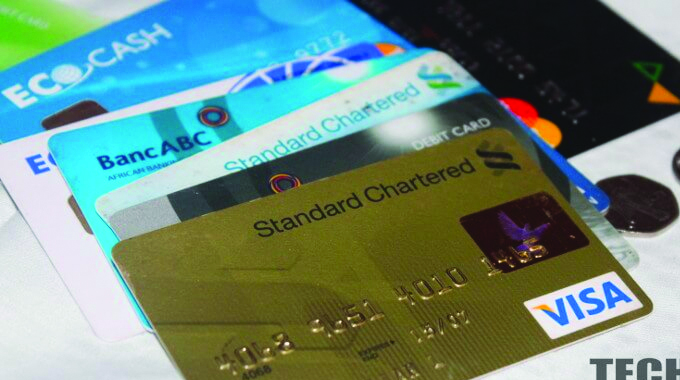
Tom Muleya Fraud Insight
As we continue with the crime awareness, today we revisit the problem of card cloning.
At the Anti-Money Laundering and Financial Crimes Public-Private Sector (AML PPSD) Conference held othis weekin Harare, cybercrime, identity theft and card cloning were topical issues at the high profile dialogue.
As noted in my earlier contribution, cyber security is no longer a new field anymore, but new business that people should be daily concerned with to remain secure against threats.
Card cloning is the main component of money laundering.
When criminals clone target or victim’s debit/credit card, they cleanse the ill-gotten money at legitimate businesses such as at financial institutions, retail outlets, liquor outlets, service stations, or through formation of charities.
Credit card fraud or card cloning undermines the national economy seriously as it can scare investors, compromise financial security system and cause serious emotional stress to businesses who become victims especially where large amounts of money are lost.
Some victims or targets of card cloning are the elderly people, anyone with a debit/credit with money, individuals with fat accounts, shoppers at malls and farmers among others.
Card cloners may harvest personal information or details in a number of ways that include secret cameras, shoulder surfing; lost details such as debit/credit cards, hacking, and wilful disclosure of PIN to strangers or third parties and through trash receipts.
While currently, there is a decline in these cases following the arrest of the kingpins in mid-2022, forcing other syndicates to go into hiding, there is still need to stay put and wade off any unforeseen eventualities.
Responsible behaviour is critical to the fight against card cloning.
To prevent or minimise incidences of card cloning, one may consider the following tips;
Check vulnerabilities or weaknesses within yourself and your security system by probing ways in which you may be attacked.
Never move around with a credit/debit card with large sums of money in areas or places such as beer outlets or shops.
Never willfully share or disclose your personal details with strangers or third parties as this may lead you into being cloned.
Never give details to people who call you by phone and advise you that they are from the bank and are fixing your account. These are scammers as banks do not request information over the phone.
Have interest to find out what is happening in the world of cyber space and the latest scams.
Never be too desperate to swipe for US dollar at the POS machines with the street vendors.
Never shout your PIN to the cashier at the till when transacting as this exposes you to cloners in the shops.
Ensure to keep a reasonable distance between yourself and the next person when transacting.
Participate in the fight against cybercrimes involving card cloning. Think cyber security. Watch out for the next issue.
Tom Muleya is a Detective Assistant Inspector working under the CID Commercial Crimes Division. He is also a member of the National Cyber Security Awareness Taskforce, Zimbabwe. Feedback: 0772 764 043, or e-mail:[email protected].



 Online Reporter