Vusumuzi Dube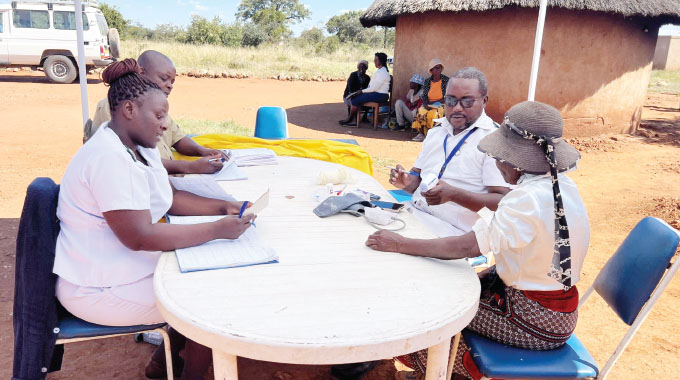
Sukulwenkosi Dube-Matutu, [email protected]
A HEALTH revolution is taking place in a number of villages in Insiza District and it is not led by doctors or nurses, but by ordinary villagers living with HIV.
These dedicated individuals, known as Community ART Refill Group (Carg) leaders, are playing a pivotal role in making life-saving anti-retroviral therapy (ART) accessible to people in far-flung communities while also helping fight the stigma associated with HIV and Aids.
One such leader is Ms Dorothy Dungeni from Village One in Ward 22.
Her Carg, which she leads with compassion and commitment, consists of 50 members. As a leader, she not only distributes ART medication but also educates her peers and the entire community about HIV-related issues.
“Being a Carg leader requires one first, to accept their own HIV status. Once I did that, I found the strength to help others,” she said.
“Our nearest clinic is about 20km away. Health workers now come to a central point in our village, where I collect the medication for my group and distribute it from my homestead.”
Ms Dungeni said she informs members through a group platform when their medication is available. If someone fails to show up, she follows up personally to ensure no one defaults.
Beyond medication distribution, she facilitates regular support meetings, where members discuss challenges and receive peer encouragement.
“People open up during our gatherings. It helps them feel less alone and more in control of their health,” she said.
Another Carg leader, Mr Gerald Nzimande of Village 2 in the same ward, said some members of his 22-person group prefer discretion when collecting their treatment due to the persistent stigma surrounding HIV.
“Some of them are not yet comfortable being seen at the clinic. They come to my house under the pretext of just visiting, and I quietly give them their medication,” said Mr Nzimande.
“My job is to respect their privacy and ensure they remain in treatment.”
He added that Carg leaders are trained in ethics and confidentiality, which is critical in building trust.
The Carg model is being implemented by the National Aids Council (NAC), in collaboration with the Ministry of Health and Child Care, Ophid (Organisation for Public Health Interventions and Development), and the Zimbabwe National Network of People Living with HIV (ZNNP+).
Previously, many villagers defaulted on ART due to long distances to health facilities. Under this initiative, healthcare workers now visit villages to provide services such as drug refills, HIV testing, viral load monitoring and non-communicable disease screenings.
Insiza District Aids Co-ordinator Mr Mpilo Maboyi, said the programme is helping change attitudes toward HIV and Aids, especially among adults aged 25 and above.
“The Cargs are essential in the ART decentralisation programme,” said Mr Maboyi. “They’re not just easing access to treatment, they’re helping reduce pressure on health facilities and changing perceptions on HIV.”
He added that the model empowers clients to manage their condition and ensures long-term retention in care by eliminating access barriers.
As the country pushes toward ending Aids as a public health threat, the efforts of people like Ms Dungeni and Mr Nzimande are proving that the fight is not just in hospitals, but in homes and villages, led by the very people most affected.
@DubeMatutu



 Online Reporter