Andrew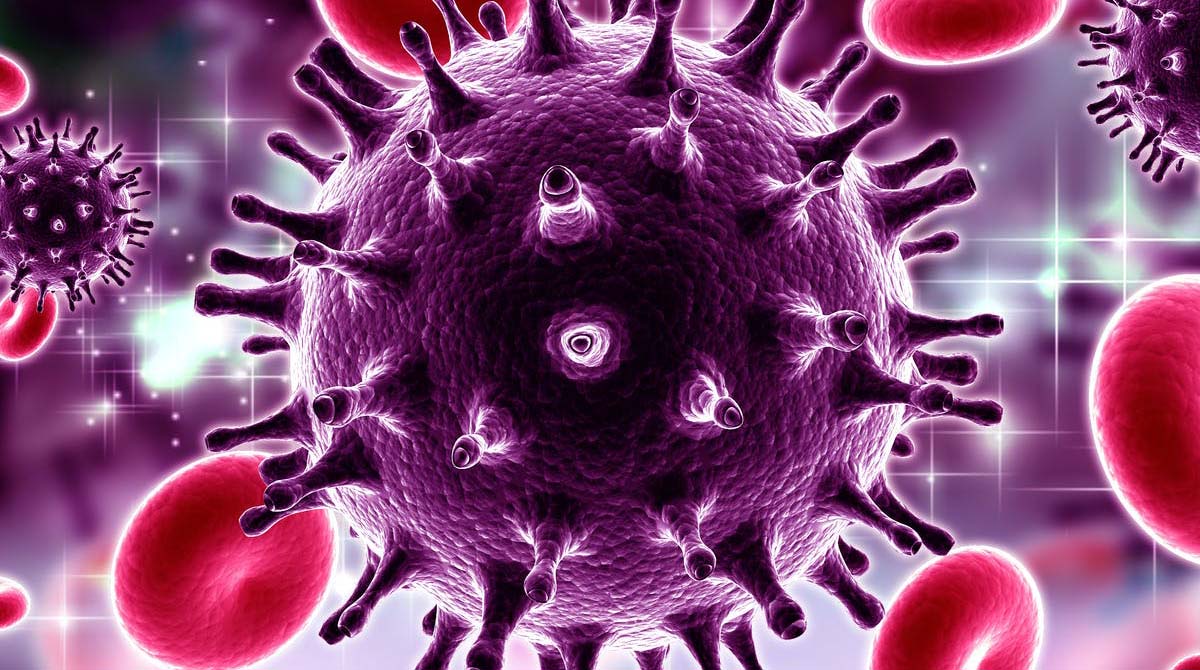
Dr Emmanuel B.K. Luyirika
MAJOR disease epidemics have caused suffering and death and have lingered around the African continent for decades.
In the 1970s and 80s, Africa struggled with inadequate immunisation coverage for common infectious diseases like tuberculosis (TB), polio, measles and diptheria, among others.
This was while malaria and neglected tropical diseases such as leprosy, bilharzia, sleeping sickness, river blindness and others raged on the continent.
As efforts to control those diseases were gaining momentum, Africa was hit by HIV and AIDS to the point of carrying 80 percent of the global burden.
This led to the re-emergence of tuberculosis as well as other opportunistic infections and cancers.
All this happened against a backdrop of poorly funded health systems, raging wars in some regions and under-performing economies after a global commodity price crash.
Investment in health care on the continent has lagged behind that of other continents.
Where health services existed, much of the budget came from Western governments and international funding agencies.
In addition, out-of-pocket contributions by patients and their families far outpaced the contributions by governments.
This state has persisted and the 2018 Africa Scorecard on Domestic Financing for Health demonstrated that in the majority of African countries, the biggest source of spending, as a percentage of total health spending, was being contributed by households and not governments.
While the HIV and AIDS epidemic lingered, East, Central and West Africa were hit by sporadic outbreaks of Ebola and other emerging infectious diseases for which many governments were not ready to protect their populations.
As the Ebola epidemic was coming under control and African governments were beginning to focus on universal health coverage, the Covid-19 pandemic hit.
The lack of infrastructure and systems for infection control demonstrated how unprepared Africa was for such an outbreak. Also, the lack of capacity to develop and produce vaccines and the lack of critical care establishments and skills came to the fore.
Owing to movement restrictions across international borders, even the well-connected and the wealthy could not travel to Western capitals, Asia and the Middle East to seek health care because of the lockdowns occasioned by the pandemic.
These and other events that followed the Covid-19 outbreak have underlined the need for governments to set up, fund and sustain health systems that work for everyone, rich or poor, rural or urban, young or old within their borders.
It has not been uncommon for African governments to have defence and security budgets far outstripping appropriations for social services sectors such as health, education and social security combined.
The biggest threat to the survival of Africans may now not come from war but from health emergencies such as emerging diseases like Covid-19, Ebola and others that are yet to be discovered on the back of under-investment in health systems.
Combined with increasing incidence non-communicable diseases such as diabetes, hypertension and heart disease, this may spell danger for the people of Africa going forward.
The setting up of truly universal health coverage schemes has been slow with the exception of countries like Seychelles, Rwanda and Morocco.
In order for governments in Africa to secure the health and lives of people on the continent, there is need for more investment in the health sector and associated sectors such as education and social protection.
In addition, the rising cases of people with life-threatening and life-limiting illnesses demand that governments ensure that palliative and comprehensive chronic care are part of the universal health coverage packages.
The commoditisation and commercialisation of health care through privatisation and for-profit public-private partnerships will not deliver the healthcare needed in Africa. It is now the time for African governments to re-prioritise health, invest in health infrastructure and systems and set up truly national and equitable universal health coverage schemes by moving money from war-related sectors and grandiose plans and projects that do not improve health or safety of citizens.
The time is now for African governments to fund universal health coverage schemes, covering health promotion, disease prevention, early detection and diagnosis of diseases, treatment, rehabilitation and palliative care.
Dr Emmanuel B.K. Luyirika is the executive director of African Palliative Care Association. Twitter: @DrLuyirika; email: emmanuel.luyirika@ africanpalliativecare.org; www.africanpalliativecare.org


 Online Reporter